
Paths of Rhythm is brought to you with support from vinylunderground.co.uk – take 10% off your next order with the code POR10 and free UK shipping on orders over £100
Paths of Rhythm is a Remote-CTRL production. If you’re looking for audio or video production, then check out https://remote-ctrl.co.uk to see how they can help.
Other ways to support the show
- Follow the show on Spotify or Apple Podcasts
- Any feedback or questions? Hit up https://www.instagram.com/pathsofrhythmpodcast/
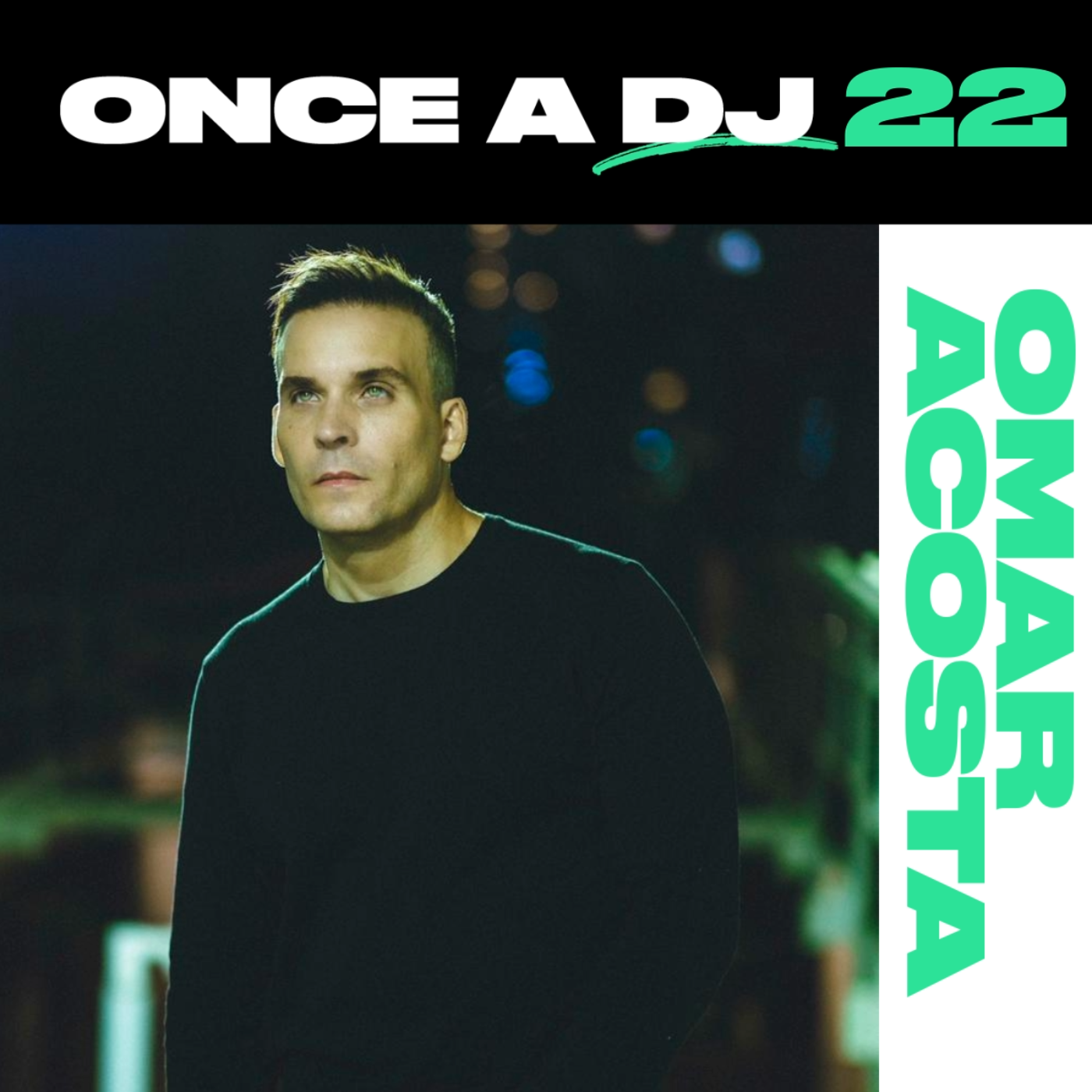
This week on Once I DJ I talk to someone who’s never actually been a DJ, but has now told one of the most significant stories of DJ culture. Our guest is visual artist turned film maker Omar Acosta about his journey from young aspiring graffiti artist, to writing, co-producing and directing his latest project “Mixtape: The Movie”. We get hear how Tony Touch’s mixtapes kept him abreast of the latest trends while he spent a 5 year period in Puerto Rico, and journey through his career to the point where he learnt to tell the stories which mattered to him the most.
Omar’s site: www.omaracosta.tv
Transcript
Omar Acosta, thanks a lot for coming on Once a dj.
You’re the first person we’ve had on the podcast that isn’t a dj, but what you’ve done is you’ve told a really important story about DJ and mixtape DJing in particular, and the culture of that, the genesis and what it’s brought for artists development and also the business end of it. It’s really fascinating. Watch. And so just for our listeners, just to confirm, the new were a writer, producer and director on this, right?
Speaker B:Yeah, that’s right.
Speaker A:That’s a lot of work.
Speaker B:That was a lot of work. Yeah.
Speaker A:So what brought you to this point? From my reading about you, you kind of started off as an art director, is that correct?
Speaker B:Yeah, yeah, I started off as a designer back in the day. I was with mtv back when MTV played videos still, and I was one of the art directors. And so from there I sort of like got into.
Through mtv, I sort of got into, like, directing their commercials and, you know, some music videos and that sort of thing. And that’s sort of where I cut my teeth, if you will, in film.
Speaker A:So just to wind back then, was art and design always a passion of yours?
Speaker B:Oh, yeah. Hard. Yeah, it still is. I love, I love design. To me, it’s like a. It’s. It’s like problem solving, man.
You know, it’s like a game of chess, you know, like, it’s like just something as simple as, like designing a logo or something like that, to me is still fascinating just coming up with that solution, you know.
Speaker A:So can you expand on that a little bit about the problem solving aspect of it? Because that’s not a way I’d ever really thought about design of kind of a single block.
Like, I would understand it in terms of, say, a flyer and the hierarchy of your information and things. But can you explain that in terms of like a logo?
Speaker B:Yeah, I mean, it’s, it’s. I mean, you got certain, you know, different. Different elements. I mean, you got a bunch of elements in design. You could flip it into a flyer, right?
But then now you’re dealing with, like, you said, layout and information architecture and that sort of thing. But when you get into like, something like. I mean, there are other elements that make me feel this way as well.
But, you know, when you get into the elements, like making a logo, it’s. You have to communicate so much with one mark, right? With one sort of like icon and, and.
And most of the time the viewer really only has, I think it’s roughly like seven seconds If I remember correctly from school, you have about seven seconds to. To. To really register that, right? So it’s like, how do you get. How do you get an entire. Like. Like the. Like the. The DNA of a brand?
How does that come across in one mark in a span of seven seconds? So there’s a lot of problem solving and going back and forth with sketching and that sort of thing.
So when I was a kid in New York, it takes me back to just R D with graffiti. It’s like, okay, so now I got this letter, and then how does this letter go to this next letter, you know, and that sort of thing.
And I would test myself with that when I. You know, I’m talking about, like, 8 years old or something, but I would test myself with that. And so I would look at it.
At the end of the day, I would look at. So if I was doing, like, a graffiti when I was a little kid, I was doing, like, a piece just like, on a black book. Like, I. I would test myself.
Like, my failure was determined by the amount of eraser marks on the black on. On that piece. You know what I’m saying? So the least amount of eraser marks, that was sort of like a little game I would play with myself.
You know, it’s like, all right, cool. So I managed to figure this problem out, you know, in a certain amount of time with. With. With the least. With the least mistakes possible. Right.
So it’s kind of the same thing.
Speaker A:It’s.
Speaker B:It’s a sort of, like, thread that’s gone on through. Through my. Through my life, I guess. Is design.
Speaker A:Yeah. So. So was graffiti your first kind of route or connection with hip hop then?
Speaker B:Oh, yeah, yeah, yeah, absolutely. I think. I think that was. You know, I was a little kid on 110th street, and I think even before I got hard into the music, I was more into the art.
You know, back then, if you wanted to listen to hip hop, you know, it was. It was like a radio station, and you had to, like, find, you know, where it was playing.
And, you know, I just remember, like, bumping into it sometimes at night. You know what I’m saying? Like, yeah, you know, like, sometimes I’ll be like, you know, and I’m like, wait, is that.
Wait, is that hip hop and getting really excited, you know, and. And so. So now. But graffiti, you know, you know, just like, drawing. I mean, I didn’t even call it graffiti. Just, like, drawing, to me was.
Was something that was just like, right there and that was accessible. And then it became a thing where. It became a thing where you go to school and, you know, you’d have, like, other. You’d have, like, your friends.
I was in school. PS 75, off on 96th street, off 110th street in New York. And so you battle, you know, you go to school and, you know.
You know, show your piece and, you know, the next, you know, you show your piece to somebody or a couple of people, and then, you know, in the cafeteria, and, you know, like, the next day, somebody else would come up with their piece, you know, like, oh, this guy, you know, you know, and so you go back.
You go, you know, it’s like, all right, back to the lab, you know, so you go back home that night, and you’d be working and working and working, you know, and then you start incorporating, like, you know, Marvel Heroes and, you know, that sort of thing. So. So. So. Yeah, but then in. But then hip hop started slowly, like. Like. Like taking over.
Because, you know, we had, you know, there were like, you know, like, if you picture, like, a big cafeteria, right, for in school, and then you had, like, these tables, these long tables, and, like, in each table, it was like a crew. It was like, okay, here’s the graffiti crew. You know what I’m saying?
Like, and then you see, like, people rhyming in another crew, and then you see another, you know, just like, people hanging out at one table, you know, but, you know, and then you see.
Speaker A:So.
Speaker B:So you saw, like, you saw what came to be known as the ciphers, right? So you saw, like, you know, kids, like, rhyming and that sort of thing. So. So it was like, people started gravitating towards what they.
I guess, what their. What their craft was, right? And so to me, it was. To me, it was that. It was. It was. It was definitely.
It was definitely the graffiti element of hip hop.
Speaker A:So when you kind of pursued art as a study, was your kind of passion and craft of graffiti enough to get you through, or did you have to learn a load of different styles of art to kind of fill in. Fill in the gaps? Like, could you just survive on graffiti?
Speaker B:No, no, no, no. I. I was like. So what happened with me was a little different because I was, like, sort of like, suspended in animation.
Because what happened was, you know, I was living in New York, and, you know, I. I. You know, my family was, you know, Puerto Rican family living in New York, and then we abruptly moved back to Puerto Rico.
Speaker A:How old would you have been?
Speaker B:Oh, I’m personal. Maybe like.
Speaker A:Like.
Speaker B:Like 11 or something. Like, I forget exactly. But. But. But it was like I was. It was.
I was deep enough where, you know, I had my little friends, you know, like, my little skateboard crew, you know. You know, we were listening to, like, punk and, you know, you know, the Clash and hip hop and. You know what I’m saying? And it was like all those.
All those sounds that were so sort of like, permeating from, like, every corner of New York City that became, you know, really, like.
Like this one culture, you know, like, I was knee deep in that stuff, you know, and so then it’s like, abruptly I go back to Puerto Rico and it’s like, zero, nothing, you know, and so. So I. I kind of.
I. I continue to draw, but I. I think around that time, actually, definitely around that time, I got more into fine arts, and I did that. I did that in Puerto Rico, so I got more into, like, still life and the charcoal and just like, really, you know, the fine art aspect of things.
Even though I would, like, do graffiti as a hobby, like, I definitely started exploring those other mediums.
Speaker A:Yeah. So were you able to. When did you move back to the US Then?
Speaker B:I moved back when I was, like. I want to say, when I was like, 16.
Speaker A:Right. So it was quite a while between, so.
Speaker B:Yeah, yeah, yeah. And it was. It was also that time where it’s like. It’s. It’s a pretty, like, influential, you know, time in your. In your.
In your upbringing, right as you’re coming up. Right.
Speaker A:So was. Was. Was hip hop big in Puerto Rico then?
Speaker B:Yeah, so. So it wasn’t right. It wasn’t. It wasn’t right. And there was a lot of prejudice also.
If you were into hip hop, you know, you had, you know, around that time, I want to say. So the thing with me is once I got the hip hop bug, and now we recognize it as the hip hop, you know.
You know, saying back then, it was just like a culture thing, right? But, you know, once I got that, like, it was like something that I was, like, looking for, and I. And it was. And so I.
You know, if you’re looking for something, you’re gonna find it. And I sort of like, in Puerto Rico, you know, it was like a subculture of a subculture. Right, but. But so you had, like, Spanish rap and.
And so you were looking for that, you know, around that time, you had, like, that Vico C, who was the first Spanish rapper on record, right, Coming out with, like, these underground mixtapes, you know, and.
And what made that crazy is that like back then, like, cursing was a big deal, like you did, you know, like, you know, like if somebody cursed on the tape, you, like, you’d hide that from your parents, you know, you’d be, you know. Yeah, that was very, you know, I don’t care how bad you were, you were hiding that from your parents, you know.
You know, so it was, it was a whole different. It was like a whole different. It was just a whole different animal back then.
So what made that tape crazy, that vehicle shout out to Miko C. That vehicle tape crazy, was that. Was that the rumor was that he was like cursing, you know, it was like, oh, it’s curses. And you know, and I was like, why?
Like, what are you talking about? He’s cursing on the tape? You know, and, and so, and so, and so, yeah, so you had to get your hands on that. Right?
And I think that to me was really the first, the first sort of like, understanding of the power of. Of. Of the mixtape. Right?
Because here I was like, trying to get my hands on this mixtape and the only people that had them were like, the somebody’s, you know.
Speaker A:Yeah.
Speaker B:You know, like, you had to like, really know somebody or be that person that like, like, you know, you just dropped in your lap, you know, and, and they were stingy with it, you know, they were, they understood that. They were. They understood the power of that tape. They understood that, like, wait, no, this is valuable because I. I’m the only one that has it.
You know, once this thing starts getting out, it loses its value. Right? So. So. So, yeah, so.
So you had things, you had, you had like the Spanish rap movement in Puerto Rico when I, When I was a little, little kid when I first got there. And, and I was definitely involved with that. And then, then in school, like we had.
In Puerto Rico in school, we had like, you know, like, you start gravitating towards. Towards, you know, like minded people.
And there were a few kids that like, were into hip hop as well because of the connection between Puerto Rico and New York. There were a lot of people with family in New York and that sort of thing. So I identify with those guys.
And, and so we started like a little dance crew where we go to like after, after class. We go to like, you know, somebody’s like, my marquesina in Puerto Rico, which is. A marquesina is like, it’s like, it’s like a garage, but it’s not as fancy.
It’s like, it’s basically like a. It’s like a roof to put your car under, you know? But, but in Puerto Rico, they’re a big deal because that’s where.
That’s where people have their parties and that sort of thing.
Speaker A:Yeah.
Speaker B:And.
And so, and so, you know, so we go after school and then we just like have like come up with routines, you know, like little dance routines and that sort of thing. And then we started like seeing like Big Daddy Kane and like, you know, Eric being Rakim, you know, and those guys.
And then we try to emulate those dance routines, you know, and those marcasinas, you. And. And then we go like Saturday nights, you know, whatever.
Friday night, Saturday nights, you know, it was like three of us and we’d like just like walk around, you know, the barrios and that sort of thing and see. See who else was having parties because there was always, you know, like I said, like the micasinas, that’s where you had the parties.
And so there was always parties in those markets, in those. In those spaces during, you know, during the weekends in particular. So.
So we’d like walk around and see and try to crash those parties and then we’d do our little routines, you know, and you know, people going to realize that we practice, you know, they’re like, oh, shit. You know, so. So. Yeah, man.
Speaker A:So.
Speaker B:So. So it started. It started. It was. It was hip hop was. Was something that was harder, a lot harder to find in Puerto Rico.
But, but, you know, but you know, I certainly did everything possible to. To get my hands on whatever I could.
Speaker A:Can I just ask how old you are?
Speaker B:No, I’m. I’m 46, man. I just turned 46.
Speaker A:Right, okay. Because I’m just. I’m just thinking about timelines and. No, it’s all good and things like that. Yeah. So what year did you move back to usa?
Speaker B:That usa. That was so. So New York, I want to say that was like 95 maybe.
Speaker A:So if you left, so you wouldn’t.
Speaker B:Know. Yeah, exactly. Yeah, yeah. I remember being late 80s in Puerto Rico for sure.
Speaker A:Yeah. So I know, I know in some countries, kind of the culture and the trends can kind of like be. Be a bit slower.
So was it quite a culture shock coming back from Puerto Rico to New York at that time when so much has gone on? You know, I guess when you left it was all about the kind of the fast rap. And then when you’re coming back, it’s a lot more.
There’s all the sort of boom bap and the jazz rap and things like that. And I guess the culture must have changed a lot in that time. Were you ready for it? Was it a shock?
Speaker B:No, no. I was going to New York. I have family in New York, and I was going to New York, here and there throughout that time.
And around that time in Puerto, before I went to New. I went back to New York. I was already. I was already in the mixtape game, right?
So I already knew in Puerto Rico, like there were DJs, like, there was DJ Playero shout out to DJ Playero who. Who has his own amazing stories. He was instrumental in the, in the creation of reggaeton.
And, and so, so I would stop, like, you know, I would stop like Playro, he had this little red car and I would stop him randomly and I’d just be like, yo, you got, you got a tape? And, and, and he just.
Look, I remember sometimes he’d just pull whatever was playing in his, in his car, his tape deck and just, you know, they’re $5.
Speaker A:So.
Speaker B:And then, and then one of the first. One of the first mixtape DJs from New York to start selling things in Puerto Rico was Tony Touch. So Tone. So Tone would.
So there was a little spot, little record store. I mean, tiny. And when I say tiny, I mean, like, I mean, you know, just picture like maybe like two closets and, and that was in Old San Juan.
And I was going to school in Old San Juan. And so, so I would just walk there to this little record store. And.
And then you started seeing, you know, I think it was like Tony Volume 1 was like the first one I got. It was, I thought or something like that. I remember being like being like single digit.
Speaker A:For sure. For sure.
Speaker B:And, and, and so, so I started grabbing those. And by then I was already. By then, like it was like it was getting into boom Bap.
Speaker A:Yeah.
Speaker B:So I was, I was already being introduced to that, to that then, and then, then I started understanding that there was more. Then they started getting real creative with it. Like they started doing the blends and, and the blends were making sense.
You know, it was like, oh, wow, this is. This, this is on beat. This makes sense for, you know, the context of this song. You know what I’m saying? Like, I mean, I get real geeky.
I could get real geeky with it. But I’m saying, like it started feeling, you know, I’m saying it started feeling like it was like, like you could bump this in your car, you know?
Speaker A:Yeah.
Speaker B:And, and, and sort of. And, and similar to like the vehicle stuff. Like it’s, it was like it was like a status symbol, you know, like you Wanted to drive around.
You know, back then, you would drive around old San Juan. You just literally just drive. Drive around in circles, you know, because all the clubs were there.
So you drive around and you just want to be seen, you know, you want to be seen playing that mixtape, you know, so. So, you know, I would do that sometimes and. And it just, It.
Speaker A:So.
Speaker B:So to answer your question, by the time I was. I was. I went back to New York, I was already like, you know, I. I was. I was up on what was going down, I like to think. Right, yeah.
Speaker A:So did you go back to New York and. And then we like, right. I want to work in this. I want to be part of this movement. Did you want to kind of attach yourself to it or.
Speaker B:No, no, no. I mean, I was, I was. I was a fan of the culture, but I went back to New York and I just focused on my studies, man.
You know, I knew I wanted to do art and that sort of thing, and my whole thing was, okay, how do I work my way into art school, basically? And so that was my focus, man. And. And I did. I did that with. With the thought of like, you know, getting into. Into. Into.
Into advertising or design studio or that sort of thing, because again, that was my. That was my first love. So I was, I was fine with that. I mean, I was more than fine with that at the time.
You know, I hate to be one of those guys, but, like, it’s funny to me, like, when I’m on, you know, social media or whatever, and I see so. And so creative director, it’s like, you know, you know, at the time I would have, like. Like, that was my thing.
I was like, okay, I want to be, you know, I want to be a creative director, you know, and that, that was a big deal to have that title. That was a big deal to have that title. And, and it’s not something that you threw around either.
Like, I wouldn’t have had the balls to call myself a creative director, you know, if I wasn’t one, you know, it was that sort of thing, you know. So. So I, you know, that’s. That’s what I wanted to do.
Speaker A:I just.
Speaker B:I wanted to. I wanted to land on like, a design studio, like Pentagram or something like that, you know, and. Yeah, and then, and.
And then MTV like, like, the time was like.
Was like, you know, top of the food chain, you know, like, people were looking to them for, you know, there was no Internet like that, you know, so it’s like, you know, you look to, to other. To other avenues to get your inspiration. To get your inspiration. And, and so I was looking to, you know, things like that. So.
And that’s where I landed. I just ended up at, at MTV.
Speaker A:So was that late 90s then?
Speaker B:Yeah, roughly. Yeah, for sure.
Speaker A:Yeah. Because that’s when there would have been MTV2. And well, over here there was a few different MTV channels.
Speaker B:Right, right. Exactly. Yeah, yeah, right, right, right.
Speaker A:Were you across kind of anything and everything there, or were you very musically how people. For genres?
Speaker B:Yeah, yeah, no, I mean, I mean, you know, it’s. It’s funny because there were certain times where like, you know, I remember. I remember I had to do a project for like, one of the pop artists.
It was, it was a, like a female pop artist. I was like, like, I remember telling. Telling my, my, my, you know, my, my. My creative director at the time.
I remember being like, yo, like, come on, I don’t even listen to this, you know, and, and, and he was like, well, he was like, well, that’s your job to listen to, you know, to listen to it. So, you know, so, so, you know, to answer your question, yeah, we had to listen to everything.
But, you know, but by that time, I was, I was, you know, I was, you know, pretty much an encyclopedia of, you know, you know, hip hop and, and I was hard into, you know, salsa, like, like Fania, you know, you know, that sort of thing from that time. So, so. And even the funniest stuff was mixtapes, by the way. You know, I would get mixed.
I would get Fania mixtapes from my barber, you know, and, and you know, I, I, I by. I remember just playing a f, like, final tape and like rewinding just for the horn section. I’d be like, yo, the old horns, man.
Speaker A:Is this like the old funniest stuff?
Speaker B:Yeah, the old funny stuff, absolutely. The new, the, you know, like the 80s funniest stuff was, was garbage. But, but, you know, like, yeah, yeah, that, yeah, that 70s stuff.
I love that stuff, man. But, but it was the same, it was the same template, you know, you, you, you, you. You found something.
You found say, you know, you found like a break in it and, and, and you rewind. You hit rewind. And you were like, I want to listen to this again and again and again. And, and, and I like, I said I would experience that.
I remember vividly, like, just like sitting in the couch, like, with, with.
With the radio next to me and just rewinding the horn section on a fan mixtape, you know, just rewinding that and being like, God damn, like that horn, man. Like, you know, or like there was this artist, Papaluca, who was a pianist of the Sonora Poncena group in Puerto Rico. I don’t know.
They were funnier, though. I want to say they were funny because funny had everything. But I remember he’d do these piano solos, and I just would rewind those piano solos, man.
So I was kind of. I was kind of into that stuff, which was weird at the time for a. For a young kid, because, like. Yeah, it wasn’t stuff like.
Like, you know, people that age were listening to me.
Speaker A:Does that cross over with, like, this Chicano soul stuff then?
Speaker B:I love that stuff, man. I love that. I can’t speak to that culture. I can’t speak to that culture, but I love that culture, man. I love that stuff, man.
I love everything they got going on there, and I love how they’re true to that, man. You know, they like those oldies. They like that soul stuff. I love soul stuff too, man.
Speaker A:Yeah. There’s a guy. I’ll send you a link to, a guy on mixcloud who’s got some really good mixes of that sort of stuff.
Speaker B:Word, word, word. I love that stuff, man. And I love how they pair with the. With the lowriders and you know what I’m saying?
Like, it’s like they got a whole thing that’s. That’s magical in its own way, man.
Speaker A:Yeah, yeah, definitely. So do you think that expert, how long we were MTV then.
Speaker B:Not that. Well, maybe like five years or something like that. I want to say.
Speaker A:So do you.
Do you think having to kind of learn and listen to very different types of music that you wouldn’t be into, do you think that sharpened your skills as a designer?
Speaker B:I think so, absolutely. Yeah, yeah, yeah. Because it forces you to. It forces you to. To think outside of your comfort zone.
Speaker A:Yeah, yeah.
Speaker B:So. So, yeah, because I could do. I was one of the first ones to do a graffiti. A graffiti show. Not show, but a design.
We did this show for Christina Galera, and it was called. It was called. It was called Stripped in nyc, I think. I think if I remember correctly, but the whole gag with that was that she was my.
The brief they gave me was that she wanted to get out of this poppy Persona brand that she had at the time and, And. And. And sort of go into something more edgy. And at the time, it was very hard to push anything graffiti because it had a stigma and whatever.
Whatever. And so that was the first. I could probably find that and send it your way. But that was one of the first graffiti show packages that MTV aired. And.
And, you know, and they were like, oh, you know, it’s gonna. It’s not legible. And I was like, hey, I’ll make it legible. Trust me. I got this. So.
So I had to, you know, I had to create a style that was legible, you know, all that stuff. So we ended up doing this thing where. Where we were just tagging on, you know, through.
Speaker A:Through.
Speaker B:Through design, not practically. Right. But a collage of buildings of New York City and that sort of thing. And then that’s ultimately where she had the concert. So. So. So I say that.
To say that was very easy to me, because that was the first thing that came to my mind. Right.
Speaker A:Yeah, because she. Around that dirty era.
Speaker B:Dirty. Right, right. Yeah, exactly.
Speaker A:That’s kind of when she kind of lent more into, like, a Hispanic style, I guess, or a Hispanic influence.
Speaker B:Yeah, she. She. I don’t know what her intention was, but. But. Or motive, but, you know, I guess she just wanted to sort of like, you know, get out of that. And.
And. But yeah, it was around that time.
Speaker A:Yeah. Amazing. So what. What brought the end of MTV then? Was it you just wanting to go freelance and.
And do certain things, or was it because I know you’ve done. You’ve done certain kind of brands, and you’ve done like, a load of stuff for NFL, for example, as well?
Speaker B:Yeah, yeah, yeah. I don’t. I guess. I guess it just felt like it ran its course, you know, like, the universe was just like, all right, man.
Like, I think you’re done here, dude. You know, and, you know, MTV felt like, you know, they were leaning more towards, you know, my 316 and.
And that sort of thing and these shows that they had. Right. For instance. And. And it wasn’t. You know, I wasn’t mad at any of that. You know, I wasn’t mad at any of that. I was. I. I say that to say that’s.
And why I left, but ultimately I was made an offer that. That. That I took in Los Angeles, so I.
Speaker A:So.
Speaker B:So I left because of that.
Speaker A:e time. So that’s kind of mid-:Speaker B:Right, Right, right, right. It was a strange time. It was a strange time for everything, I think. It was a strange time for music. It was. It was a.
It was a strange time for fashion. You know, it was. It was like. It was like things were trying to figure themselves out around that time, you know.
Speaker A:d around that. Around the mid:Speaker B:Yeah.
Speaker A:Record sales were going down. The advent of Serato and other digital DJing systems. The blog era. It was this weird time in. In certainly in hip hop and in DJing. Yeah.
So, yeah, it was a really funny one.
Speaker B:Yeah, yeah, yeah. I think, I think we all felt it.
Speaker A:Yeah. Because. Because for me, I’ve kind of realized that was kind of.
When I started DJing, I started DJing more and I think I just maybe got into it at the wrong time. Interesting to really pursue it more. Yes.
It’s something I’m thinking about quite a bit because I’ve kind of gone away from it and come back to it in quite a different way. But you know, like when I was, when I was doing it then record shops were all closing. It was harder to get records.
Speaker B:Right.
Speaker A:The things that you’d get at say yard sale type of things would be absolutely terrible. Whereas now you can go in, in England we’ll have like car boot sales and you’ll have decent record sellers there.
There’s usually a half decent record shop in every town that you, that you turn up in. It’s a lot better a time to be a DJ now, I think.
Speaker B:Interesting.
Speaker A:You know, you can connect a title if you want to do the digital thing. And people are a bit more receptive as well now to different, different styles of music and stuff, which as a DJ is a blessing and a curse.
Speaker B:I think you’re right about that because I remember people sort of like bucking technology around that time also. You know, there was a lot of hating, a lot of like, no, no, you know, you can’t do this, you can’t do that.
But that was in all sort of like aspects of art, I think.
Speaker A:Yeah.
Speaker B:Because around that time, like technology took a little bit of a leap in a lot of aspects, I think. And I remember just people going, no, no, that’s, you know, you gotta stay true to this and you guys stay true to that.
And so there was like a bucking going on around that time. Yeah.
Speaker A:And you can get that when there’s big changes that come in, people can be resistant to them and not think that things can coexist.
It’s like, you know, you get it in hip hop when a new era comes in, you’d get people that were into the golden era and then shiny suit comes in and people are just questioning why it’s necessary and thinking that you should, everyone should just still be listening to Eric being Rakim and nothing else.
Speaker B:Right.
Speaker A:You know, there’s a lot of things with change. I mean, you look at AI at the moment.
Speaker B:Right? Right.
Speaker A:I think AI as much as anything gives people a fear that they’re going to be redundant.
Speaker B:Yeah.
Speaker A:Rather than kind of, we can look at how we can use it to make, to make certain processes quicker and to help us to have more time to do the bits that are unique to us.
Speaker B:I think you’re right about that, man. I went to art school and I think I learned that lesson pretty fast of really embrace technology. I mean my major was literally design and technology.
That was, that was the name of it. And, and, and, and I think, I think I learned that lesson pretty fast.
I think there was a, some technique, there was some new stuff coming out at the time. I forget what it was, but I remember people being resist resistance. Resistance horrors.
And I remember one of the professors, he was just like, well, you know, you know, let’s talk about technology, then let’s talk about the new technologies that revolutionize things. Right. So, you know, you know, people started mentioning your usual suspects, you know, the loom, you know, that sort of thing.
And, and then I forget what philosopher it was, but I remember he was, it was either like Plato or Socrates or maybe it was neither. Right. But I remember he was like, well, what about Plato? Or you know, and I could be wrong. Right.
But I remember he was like, he was like, what about Plato?
Who, who, who refused to embrace the paper when it came out because he, he felt like, he felt that it was going to ruin memory, you know, because those guys were doing things for. Right. So it’s the same, it’s the same thing. Right.
So it’s like every so often this technology comes, comes in that, that, you know, like you mentioned AI And I look at AI now and I’m excited about that. You know, I’m like, I’m like, I’m like finally like, you know, you know, anyway, whatever. I geek out on that stuff like, you know, you know.
Speaker A:But yeah, like a friend of mine’s been using one. I don’t know if it’s midway or what, but he’s been using one of them for mock ups of set designs or something like that. Yeah.
Product photography mock ups or something like that. And just to get the idea across to people, you know, to execute it in real life is, is a different thing.
Speaker B:It’s a whole different thing. 100. Yeah.
Speaker A:You know because sometimes, you know, when you work with clients, you can give them something rough and explain it to them, but unless it looks close to finished, they just don’t get the concept sometimes.
Speaker B:Yeah.
Speaker A:So, you know, this can afford them the opportunity to get that a lot more literally.
Speaker B:Yeah, yeah, yeah. I think they’re, I think they’re, they’re ethical issues, you know, on my end, I think they’re ethical issues, you know, I think, yeah.
If you’re just going to do the a, let the AI do all the work, then, you know, that’s what is that. Right.
You know, but like you said, if, if I think if it’s to create a mock up, you know, and, and then it’s like you’re adding your own flavor to it and it’s influencing you or to do a presentation to start a conversation, then, you know, it’s extremely useful. You know, stuff like that used to take me a month.
Speaker A:Yeah.
Speaker B:Right.
So if you got something help, something like that helping you and you’re able to like really program it and let it know you know exactly what you want, then who’s to say that’s not yours?
Speaker A:Yeah, I mean, it’s interesting with, when things are modeled based on other people’s ip, that’s when it definitely gets into gray areas.
Speaker B:That’s a different story. That, that’s a different story. Yeah, yeah. If you’re blatantly going, you know, Andy Warhol style, you know, that’s your prop, then, you know.
Yeah, you know, come on now.
Speaker A:Yeah. So, yes. Just getting back to your timeline then.
So, so you ended up, a little bit later on, you ended up working on the Stretch and Bobbito documentary, didn’t you?
Speaker B:Yeah, yeah, yeah, yeah.
Speaker A:So, so how did you get from leaving MTV to there? What was that kind of route?
Speaker B:Well, I was doing, I was doing a lot of commercials and I was doing, I was, I was doing what’s. What, you know, what we now refer to as content. Right.
Like I was doing like these little like pieces with people and, and, and, and artists and that sort of thing and, and working with brands and doing design or making films or whatever. But you know, I, I just always wanted to, to, to do a full, I don’t know, there’s something in me that likes to tell stories, I guess.
Speaker A:Yeah.
Speaker B:You know, and I think, I think it’s, it really is as simple as that. And, and I just wanted to tell a full story and, and so I got a bunch of stories that I’ve written down or whatever and, and I took A.
So I took a course in la. When I lived in la, I took a course, it was called Acting for Directors. And it was taught by this woman, incredible woman called Judith Weston.
And I remember I have a friend who’s a director, he directed a couple of features and he was like, hey, I recommend this book. I read it, it helped me and it was her book and so I read it and then she had a course in la and I took it.
And so I was in that course and I remember presenting one of my stories and there was this writer also there and who’s great. And we all went to.
We sort of like went to lunch afterwards and, and I was like, you know, telling her my, my story, my idea, whatever, and, and I remember she was like, well, what. You know, tell me about you, you know, and I, you know, we started having this conversation, you know, conversation you and I are having.
And, and she was like, well, write about that, you know, you know, and, and so, and so at that point, just a flurry of ideas like, just started like, coming out, you know, because, you know, life experiences and, and, you know, the culture and, you know, all this, you know, this, that, and next.
And, and you know, I just, I just remember like listening to that radio show when I was a kid and I remember like, I remember like playing like, put it like, like hitting play and then falling asleep, you know, like to record it. Sorry, Hearing hitting record and then falling asleep.
Because around that time, even though hip hop was on the radio, you still weren’t getting the stuff that Stretch and bobido were playing.
Speaker A:Yeah.
Speaker B:You know, so, so. And, and it was just, to me, it was that, that time.
That, that moment in time is just a beautiful, A beautiful moment, you know, I don’t know how to explain it, you know, like, one of the things I remember telling these, telling Stretch and Bob during the filming, you know, during the production of Stretch and Bobbito was I, you know, I want New York to be a character in this.
Speaker A:Yeah.
Speaker B:Because it’s important that.
It is important that, that people understand what the, what the real context was like with New York, you know, because it certainly is not what it is now, you know.
You know, New York was, you know, you, you know, I remember just like traveling and I, I couldn’t wait to get back to New York, you know, I remember being.
Being in Puerto Rico and I couldn’t wait to get back to New York, you know, there was so, just so much energy and so much going on, you know, and so, so I, I wanted, I wanted that, to, I wanted that to, to, to, to come across. But in any case, I, I, I. It was one of those ideas that sort of like, wake you up at like 4am you know, you’re like, I gotta write this down.
And I remember my head going, stretching barbito. Stretching barbitos. Stretching barbito. And it just rolled off the top of the tongue, you know.
And my advertising sort of hat came in and I was like, I was like, okay, that, you know, I could see people, people wanting to say that, you know, I could see people wanting to say stretch, you know, stretch and barbito. And I could see people, like, being curious about the name, you know, so there’s legs here.
And once the advertising act came in, I remember just going, just going, all right. And I’m seeing the kids now wearing Tommy Hilfiger again, you know, and all this stuff.
So there’s a resurgence, you know, there’s, you know, people are recycling this stuff. I think they’re ready for something like this.
Whereas, I don’t know that if, would, if we would have done that film during the programming at that show or around that time, I don’t know that it would have been that successful. Yeah, but it just felt like. It just felt like the stars were aligned, man.
And I just decided to make the phone call and, and, and, and I called Bob and, and, and, and, and he, and he kind of played me at first. He was like, oh, whatever, no, I don’t want to do it, you know. And I was like, all right, cool. Well, if you change your mind, call me.
And then the next day he called me. And so I think a week after that, we were shooting.
Speaker A:Did you approach him cold for that?
Speaker B:Yeah, I did. Yeah. For that? I did, yeah. For that. I was like, I was just like, I was just like.
And he had, you know, you know, he, you know, he had just done the film and all that. And I understand what it’s like to do a film, so obviously.
And so, so, like, I could see like, you know, getting out of a film and being like, wait, what? No, man, I need a break.
Speaker A:Which film was it that he’d done?
Speaker B:He did Doing it in the park, if I’m doing in the Park. Yeah.
Speaker A:Right.
Speaker B:Huh. And so, you know, it just took off from there, man. And, and, and, you know, and we didn’t know, we didn’t know what we had.
You know, I remember, you know, Bob and I would talk every morning and, and, and I remember Bob and I just having these very candid conversations just Going, you know, there’s a chance nobody’s gonna see this. You know, it just. And being cool and being cool with that, you know, being like, well, I just finish it up, man, you know.
Speaker A:So was this your first documentary?
Speaker B:It was, yeah. Yeah, it was the first one. Yeah. Yeah, it was the first one that I, that, that, that. That I produced and. And Bob directed. Yeah.
Speaker A:That’s a pretty good first effort then.
Speaker B:Yeah. Yeah. Thank you, man. Thank you. That was. Thank you. Yeah, I’m glad you liked it.
Speaker A:Yeah, it’s. I think it’s amazing. It’s.
It just really tells a story of an era, and particularly for someone that grew up in a small village in the north of England, to be able to kind of witness that story in retrospect is a really. A really special thing to have, you know, because we have this luxury now where we can get a bit more connection and learning through the Internet.
Like, I’ve always kind of. When I’ve had off time at work, I’ve always kind of looked up things in areas.
It might be like old wrestling or it might be old, like jazz musicians or like. It’s always the history of people and moments and it’s one of those things.
Like the Stretch and Bob show was a huge thing in relevance to New York rap and the freestyle, you know, the Big L and Jay Z freestyle, for example, Wu Tang going down there, people like that. And so to get this kind of deep dive into it was really, really nice.
Speaker B:Dope. Good. Yeah, no, I’m. That makes me happy, man. And I mean, I’m glad you said that you got New York at the time also, because that was, that was.
That was kind of a big deal to us.
Speaker A:Yeah, definitely, definitely. And, you know, it hit really well. So after that, how long was it after you’d done that?
Because that must have been quite, quite an exhausting process as well, making it, making that sort of documentary. Was it. How long did it take you to make?
Speaker B:I think it took like a year to make that one. If I’m not. Yeah, if I’m not mistaken, it took about a year or so to do that one.
Speaker A:So when that had come out, was there a bit of downtime in between or were you like, right, where’s the next project? I need to. I need to do more of this.
Speaker B:I always had mixtape in the back of my head. Of my head, yeah. Like, for, like, for sure, I always had that at the back of my head. But it’s, it’s.
It’s mostly because as a visual person, As a person that thinks visually, I just remember going, you know, what will be dope is. Is if it’s a movie, but it’s like cut like a mixtape, you know?
Speaker A:Yeah.
Speaker B:You know, and so, so, so I think that was the spark. Just, just visually I think that was like the spark. And so there was, There was a little.
I mean, I think it was like a year or two before, before I decided to pull. To pull the trigger on that one.
Speaker A:Did that start off with a conversation with Tony?
Speaker B:It did. It did. Yeah, it did. That started off with a conversation with Tone and.
Speaker A:Tony Touch. For our listeners, by the way, shout.
Speaker B:Out to Tony Touch. And that started off with a conversation with Tone.
And the reason for that is because I, I wanted to do something with somebody that I, That I had a sort of like an emotional attachment to. And, and, and just, just to. Just, just to add to the authenticity of. Of the piece.
And, you know, I mean, I’ve been listening to that Deuces, you know, since I was a kid, man, so, you know, so there was just nobody else, man. But. But I’m glad he gave me, you know, I’m happy that he gave me the opportunity to make this with him, you know. And yeah, that started off with.
With. With that phone coin. I didn’t know what, you know, I remember. I remember telling him and it was a phone call with him and do up.
And I remember telling. Just being like, yo, I don’t know what we have what’s here, but I know there’s something here, you know, in terms of a story.
Speaker A:Yeah.
Speaker B:And so, so, so, so I’m, you know, I’m grateful that, that, that, that Tone gave me sort of the opportunity to. To explore that a little bit with him. And so initially it was like, initially it was like, well, let’s, you know, let’s.
I forget what mixtape, but I was like, let’s do something with one of the. Start off with something with the mix with one of the mixtapes to start off with. Because I didn’t know this. I didn’t know the story.
Speaker A:It’s a huge story.
Speaker B:It’s a huge story. Yeah. And. And, and so we, so we started. Right, so we just started, you know, with. With. With the interview.
And then it was like things started connecting and it got to the point where, you know, even Tone was like, I mean, we got. Let’s just do the whole thing. The whole story, you know. Yeah, Tone’s a producer in the film.
Um, and, and so, I mean, you know, I was, I was, you Know, I was like, you know, done, you know, and so. And. But it just kept going and going and going, man.
You know, like, we’d interview one person and that, and then, you know, that person would give us two more names and.
Speaker A:Yeah.
Speaker B:And, you know, it’s like, all right, cool. You know, now we gotta find this person, you know, now we gotta find that person.
And so, you know, once we got everybody that we needed, it was just a matter of, like, how we. How do we give this some flavor and, you know, not turn it into like, you know, some like, you know, after school documentary or something.
How do we get this some. Some real flavor, you know?
Speaker A:Well, this, this is the thing. I thought there’s a few thoughts I’ve had when watching it. One is the, the. The names that you’ve got on it.
Mike Tyson, Dante Ross, asap, Rocky, Shaquille o’. Neal. You’ve got some pretty big people on there. Outside of just the kind of mixtape DJs, you know, and outside of.
Outside of rap culture as well, there’s a lot of people interviewed in this film, and I can’t imagine how much stuff there is on the cutting room floor. It’s like, how do you get such a different amount of information about something that you’re telling the story of about 30 years, 40 years.
How difficult is it to turn that into kind of single narrative in the way that you did?
Speaker B:I mean, it’s extremely difficult.
Speaker A:Yeah.
Speaker B:Yeah. I mean, I think again, I think that’s where. That’s where the, the. The sort of like, mixtape style editing came in, you know.
Speaker A:Right.
Speaker B:So it was, you know, when, when I was sitting with the editors, it was like, all right, let’s. Let’s try to have people.
Let’s try to have people finish each other’s sentences, you know, and that way we give everybody a chance, you know, and so that’s. That’s kind of why it feels like.
It feels like that, you know, and it’s got like, you know, weird stops and, you know, these sort of, like, you know, interstitials and animations and. And I wanted to add more. I wanted to add like, weird commercials, you know, I wanted to add like, like what, you know, what’s that movie from?
You know, I wanted to add, like, a lot, you know, a lot more of that, of that, of that, of that stuff to make it really feel like. Like it’s a mixtape.
And I wanted it to feel like, like it could be something that you’re watching and, and, you know, you could also like Wash the dishes. And you can hear it, and it feels like you’re still. Like, there’s music involved, you know, so. So. And, you know, nobody’s there gratuitously either.
You know, there’s no. There’s the. You know, there’s. Everybody’s there for. For a reason. You know, I think it was important that we show that.
You know, when you mentioned Mike Tyson, like, I think it’s important that we show that, like, you know, he was training two mixtapes. Right? Yeah, so. So that was the user, you know, ultimately. Right. And I think it was important that we had. That we have a perspective from.
Speaker A:From.
Speaker B:From. From both the DJ and the listener.
Speaker A:Yeah. And I think when Kid Capri’s talking about how it was. Was it Alpo and people like that that were.
That were kind of heavy in the streets were buying his tapes off him for crazy amounts of money. And the way that they kind of resonated in the streets and the social equity that you kind of got from playing their tapes is absolutely fascinating.
Speaker B:It really, really is, man. And. And, you know, there’s a lot that. That I identified with.
Obviously not to the extent of somebody like, you know, you know, Kid Capri was Olympic legend, but, you know, it goes back to that Vico tape in Puerto Rico. You know, it was. It really was. It really was one of those things, you know, it really was this. This thing where if you had.
Was like, all right, you know, at least for us, you know, for us kids, you know, like, if you had. It was like, all right, this guy’s important. This guy knows somebody. This guy knows somebody, you know, so it was. It was one of those things, man.
Speaker A:Was there anyone on it that you. That. Because when I’m doing this podcast, I’ll just get really excited about certain interviews that I get.
That guy obviously enjoyed them all, but there’s certain ones where I’m like, I can’t believe this person’s up for doing this. Did you get kind of get any of that experience when you were doing the film?
Speaker B:I think I got. I got that. I got that with everybody, man. I was grateful that everybody wanted to be a part of this and tell this story that really.
That really wasn’t. Hasn’t been. Hasn’t been told, you know? And again, everybody that’s there is there for a reason.
So, I mean, I’m grateful to everybody that showed up to this film.
Speaker A:Yeah. And it’s an amazing film, and I urge anyone who hasn’t seen it yet to make the effort to go and see it if there’s a screening local to you.
I know we’ve got a screening coming up in London very soon. I’ll get the details of that and I’ll be sharing that on social media.
And if you’d like to watch the film, you can get it also on Paramount plus, which you can additionally get through Amazon prime, if you’ve got Prime. Omar, I think we’ve got everything that we need there, so thank you very much for your time today.
It’s been a pleasure to get to know a bit more about you and best of luck with everything.
Speaker B:We’re good, man. Yeah, amazing.