
Paths of Rhythm is brought to you with support from vinylunderground.co.uk – take 10% off your next order with the code POR10 and free UK shipping on orders over £100
Paths of Rhythm is a Remote-CTRL production. If you’re looking for audio or video production, then check out https://remote-ctrl.co.uk to see how they can help.
Other ways to support the show
- Follow the show on Spotify or Apple Podcasts
- Any feedback or questions? Hit up https://www.instagram.com/pathsofrhythmpodcast/
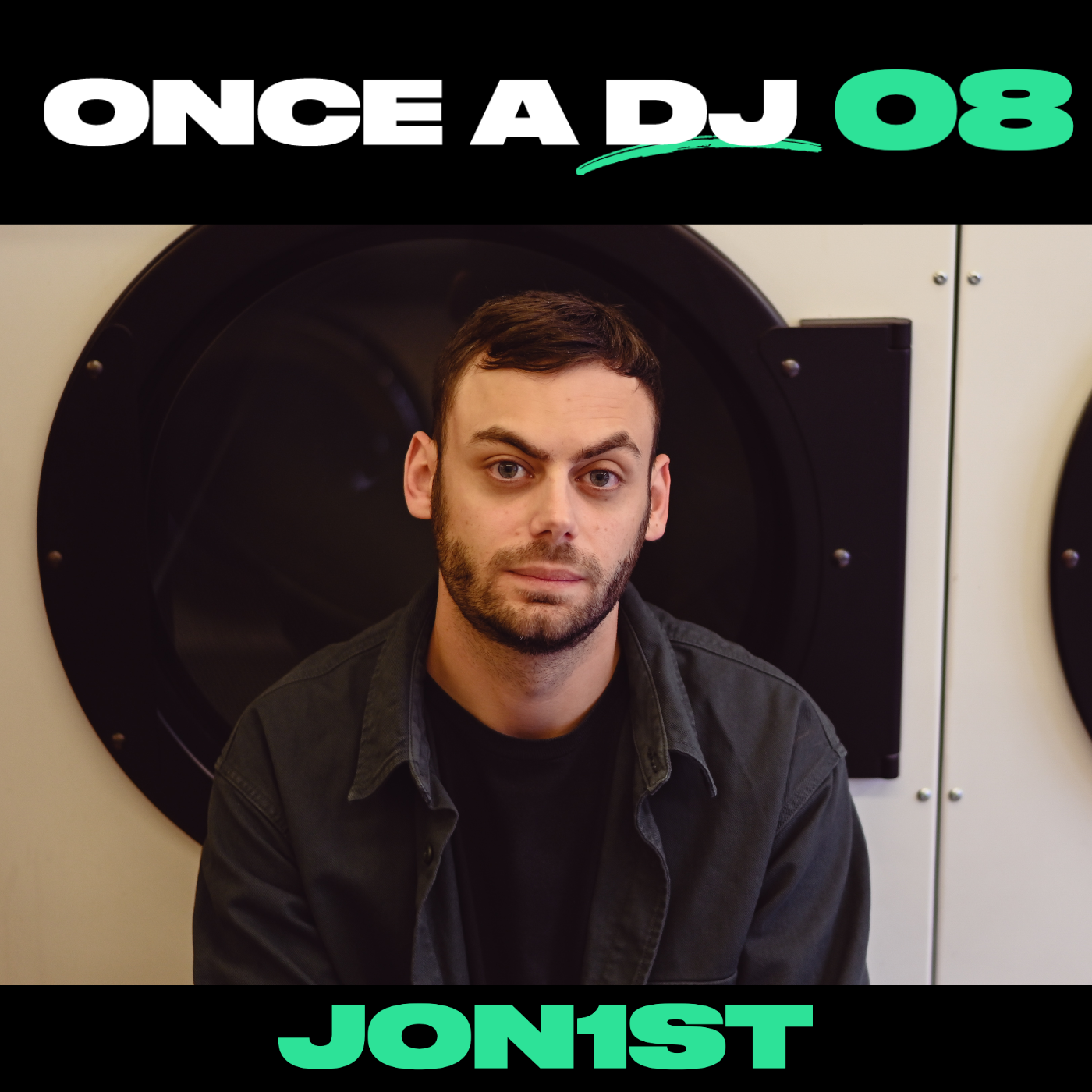
This week we chat to DMC Champ, and DJ/Producer about touring globally with both DJ sets and live shows of original production, and things that have changed in his time as a DJ. We discover how his route to a turntable was quite different to our other guests to date, and we find out what it takes to be a strong all rounder, and the benefits it brings.
Jon1st: Instagram // Soundcloud // Mixcloud
Don’t forget to holla at the show on onceadjpodcast@gmail.com or through our Instagram page
Transcript
So welcome back to Once A DJ.
We’re here with my good friend Jon1st to have a look at his path through club DJing, turntablism and production and see how pursuing different avenues can make you a really strong all rounder.
Jon, thanks for coming on today.
How are you doing?
st:I’m doing good, thank you.
Adam, thanks for having me.
How are you doing today?
Adam Gow:I’m really good, thanks.
Excited to get into it.
So let’s kick off then with how you got into DJing.
st:So I got into DJing originally because I wanted to be a turntablist in a metal band.
I had been making beats a little bit on, like, really cheap old software like eJay.
Do you remember eJay?
Yeah.
So I had the eJay Extreme, which is like the nu metal version of.
Of eJay.
So you could throw in, like, loops and you could even, like, do basic, like, edits of stock videos with it and stuff.
But, yeah, so at the time I was like 11, 12 and all my friends, it was like the peak time of, like, nu metal and electronic music verging into, like, popular rock music on TV.
Adam Gow:So is this late 90s?
st:s, early:And so, yeah, but bands like Incubus, Linkin Park, Limp Bizkit, Slipknot, Deftones, bands like that and.
And also just how certain records on tv.
This is when Top of the Pops was still a thing.
Like, seeing is when Jason Nevins had did the remix of Run DMC that I think reached number one and that had scratching in it.
And it was always that, the scratching that drew me in.
I was like, how they make these noises.
And it was like a cool.
Yeah, it was just like a cool sound palette I wanted to learn more about and how to make it.
And I became really fascinated with it.
And I remember there was one song in particular that I always reference, which was Linkin Park.
Did a song with the X-Ecutioners from New York called It’s Goin’ Down, which was actually on the X-Ecutioners album, but that’s how I discovered them.
And I bought that CD single with my pocket money when I was 12, I think.
And the B side of that was a song called Execution of a Bum Rush, which was X-Ecutioners versus Beat Junkies and was like a proper DJ song.
So the scratching in it beat juggling, scratching up lyrics.
It was like a really full composed song.
But we’re scratching as the lead instrument and I knew then I need to learn how to do this.
So granted, I was 11 or 12 at the time.
So I started off making beats on this very cheap software or free demo software and start saving up and eventually got turntables when I was 15.
So about five years ago.
And yeah, and I, yeah, became obsessed with learning how to scratch basically and started collecting records, finding songs, collecting the sort of music I like to listen to, and through the metal stuff, discovering what songs they were sampling, which is a lot of old hip hop records.
And like.
Particularly with like Limp Bizkit, the.
Their dj, DJ Lethal was one of the producers and the tour deejay for House of Pain.
And he was sampling a lot of things like Eric B. Eric B. & Rakim and a lot of classic breaks and things and the Limp Bizkit songs.
So I then got really into House of Pain, Eric B. & Rakim and Cypress Hill Funkdoobiest a lot of that era of DJ Muggs production, especially at that time.
And then started going to record shops and asking for recommendations and discovered things like Madlib, DJ Shadow and got really hooked on that darker DJ Shadow kind of vibe.
Massive Attack, stuff like that.
Portishead.
Adam Gow:So when you were going into record shops then.
st:Yeah.
Adam Gow:Were you going in talking specifically about hip hop or were you saying to them about, I like nu metal as well?
Because I say this because nu metal’s are really interesting genre movement time, I think.
And it’s a time that now we’ve had 20 years to look back on it.
There’s some really good stuff in there.
I really enjoy it.
I think it’s a lot of fun.
But I think music.
I think some of the production’s amazing on it.
And like you say, rap and rock have had this really tricky relationship over the years.
Probably for every time rap and rock’s been done well together, there’s been quite a few times where it’s been done badly.
And nu metal was.
It wasn’t a couple of songs where it was fused well.
It was an entire movement of fusing the two things.
So I don’t.
I don’t know that it gets its flowers enough.
And like you say, people like.
Was it Mike Shinoda in Linkin Park that was really pushing the.
The work without the X-Ecutioners, for example?
st:I believe so.
I know he was the main songwriter and producer and he came from a rap background himself.
So yeah, he was probably the lead in that.
But yeah, yeah, but.
Adam Gow:But then, yeah, I guess at that time as well.
So.
But at that time people that were really into hip hop might kind of look down on nu metal.
st:I think it was the same from Both sides, like I was their core audiences.
Like a young angsty pre teenager for sure.
So I thought it was the best thing ever.
And there’s still some bands like that kind of got thrown in with that genre who didn’t necessarily musically fit in.
Like Deftones for example, I don’t think are like a new.
Like a nu metal band in inverted commas.
But like they’re one of my favorite bands from that era and I still listen to them all the time.
But yeah, like to answer your question, back then I remember going to.
So my local record store at the time was.
Was Banquet Records in Kingston, formerly Beggars Banquet around that time and it changed and compared to a lot of record stores at the time, they had a lot of time for to talk to people and like it used to.
ence digging and stuff in the:Especially if it was like a specialist store, like a hip hop store or something like that.
You had to kind of really know your stuff or people would look down a little bit or like only save records for their mates and things like that.
So to ask questions it was a bit like you had to pay your dues before asking questions about oh, what’s that song playing?
Can you tell me what that is?
Or I like this, can you recommend me something?
They’d be like, figure it out for yourself mate, kind of thing.
Adam Gow:Yeah, sorry.
There was a guy in our local shop that used to refuse to sell people things.
st:Yeah, that’s a mad business decision as well.
But definitely, yeah, but Banquet were really, really.
Banquet were really supportive and encouraging to me, like particularly as Mike and Jon, who are the owners and another DJ called Buddy Peace.
He doesn’t work there anymore but he’s like one of my favorite DJs.
I could talk about Buddy for hours but in a non weird way about his influence and stuff.
He’s amazing.
But yeah, I would come in and say like yeah, I really like this and particularly Nick, that’s Buddy.
He would say, oh yeah, you might enjoy this and show me like more of the Moment Beat stuff which I would have got into because like oh yeah, it’s like the darker stuff from these rock bands when they have the interludes and things.
But it’s a lot more futuristic and sound and that’s how I kind of.
That was my gateway into electronic stuff and how I got into like eventually what became the LA beat Scene and, and then just electronic music in general.
That was my door opening and I started getting to drum and bass and early dubstep and, and dance, dance music, you know.
But yeah, like I remember Jon at the store saying I Jon, I think you’re the only person who comes in and buys like emo 7 inches and battle breaks in the same order.
Like I was like going on both like two very, very niche opposites for a little while as a teenager because I was, I was just into like hardcore, post hardcore, emo, metal everything.
But then at the same time all this like new electronic stuff.
And over time I kind of left the rock stuff bar a couple of bands behind and was just fully into the electronic stuff.
And by the time I was at uni I was like deep in that.
And yeah, I started playing out when I was 18 through the record store initially and then yeah, been doing it ever since.
Adam Gow:It’s been initial sets long because just for the listeners, I’ve kind of grown up knowing Jon from afar and from close at different times, not too close.
But I know quite early on when you, you started running your own nights at university, you were doing like six and seven hour sets, weren’t you?
st:Yeah, when I was like 18, 19 I was still living near London and I started playing out regularly with the banquet guys at the Night Braille, which is like a hip hop and funk and beats kind of night.
And there was a few times where they couldn’t make it and I covered for them and I would play all night or bring a friend or something and that was like four or five hours between me and another person.
And by the time I started doing my own nights, particularly when it wasn’t during term time because I live now in Leicester and it’s very university centric city.
And yeah, during the summer sometimes I’ll just DJ on my own.
And it was from 10pm to 5, 6, 7am on my own.
Adam Gow:How many bags of records were you taking with you?
Because this is before digital, isn’t it?
st:But by then I was on digital.
I was using Serato, but even still like it was a real, real lesson in learning how to read a crowd and pace myself.
And things have changed quite a lot since then.
Now if I’m booked it’ll be for an hour, 90 minutes as a guest or like a headline or whatever.
And because there are so many more DJs it’s quite rare to be booked just to play on my own for a long set like that because there’s so many people want to Play out and it makes sense terms of bringing more people in, all that sort of stuff.
Adam Gow:So do you think even because with that that must be a status thing as well because you’re at that sort of level with your DJing now, I would guess.
st:Oh, that I only play X amount of hours.
Yeah, yeah.
I don’t think I’ve, I don’t think I’ve ever tried to push it as a thing.
I do like doing really long sets like that other than locally where like I have a history of doing that.
But for sure there’s like, there’s plenty of DJs who’ll do all night long sets.
The first one that jumped to mind would be Mr. Scruff who would come with a loads of records and just do his thing for hours and slowly build it up.
That’s how basically how I learned how to DJ rather than like smashing it for an hour and doing like a big show.
And that kind of changed for me as I started getting booked as a guest more particularly after DMC and my success there and being expected to do a certain type of set.
So things have changed a bit.
But at some stage I’d like to do more sets like that because I really enjoy it because I don’t often get to play those like more chilled out records and really build up a room.
I’m kind of booked at a peak time these days so there’s a certain type of record I’ll be playing.
Adam Gow:Do you ever get a warm up dj?
Well, presuming that sometimes you’re there when the warm up DJs on.
Do you ever hear a warm up DJ and think, I wish I was warming up for myself.
Would you warm up in a different.
Because you know how to warm up for you.
Because warm up dj.
I’ve discussed this with people a couple of times on this podcast and it’s a very specific skill.
Like when you first start DJing, I think and you’re just thinking, oh, I want to get my name on a flyer and things like this.
You look, you look at the warm up DJ set as being, it’s the unglamorous one.
Whereas I think as you go on you realize the importance of that you’re setting the tone for the night.
st:I think it is really important, particularly if it’s a, if it’s an event which is like, if it’s a regular event where you’ve got like a built in crowd, like a really, really good warm up DJ can really make an event and create, yeah, create that kind of consistency and and without a better expression, just like, yeah, warm the crowd up into the latest stuff so you have like the full spectrum of sounds within whatever the night is trying to.
Trying to do or represent sonically.
Some like, I love playing sets like that as well.
Like I don’t get to do it very often.
I haven’t for a while.
Like I used to do a lot of like hip hop warm up events for like bigger acts when they would come through Leicester for example, or sometimes in London.
And I really enjoy doing that as an alternative to what I do other times.
But it’s a mixed bag with have I, would I ever want to warm up for myself?
Um, there’s.
You don’t see it as much anymore because sets seem to be particularly within like more electronic music.
It’s like, here’s an hour by this person, there’s like a bit of applause and then there’s an hour by the next person.
And that’s quite different to how I, I learned which was you would play for your set amount of time even if it was an hour, but you would always mix into the person before you and find a way of transitioning for the next person.
So I would research whoever was playing after me either by going to their events in advance and checking out what they played and liked playing or, or finding their songs if they were a known name and things like that and go, okay, this person plays a lot of broken beat or something like that.
So I might be playing like hip hop and beatsy kind of stuff for this event, but I might towards the end of my set slightly push it up and maybe like do a little peek and trough in energy.
So that next DJ has got the dynamics there to make a decision.
They’ve got the room, the headroom essentially to go.
I could continue this vibe or I could go in a completely different direction and it’s giving them the space.
And I do find, and I understand why it’s not a criticism, but I do understand these days that people are having like there’s like an hour and that’s your moment and then there’s like a little like literally a rest and then the next person starts.
Adam Gow:That’s kind of a bit more self focused though, isn’t it?
st:Yeah, it’s like seeing a band or something.
Adam Gow:Yeah, yeah.
Is that something that’s happened since lockdown, that change?
st:No, I’ve noticed that for a long time.
Particularly.
Yeah, particularly within dance music where it’s more like where there’s some sort of stage and audiences are looking towards the stage there’s quite often now, like, a clear cutoff.
And I’ve noticed that for quite a long time.
Adam Gow:I suppose maybe that’s just another evolution.
I’m reading Harold Heath’s book at the moment, and there’s a lot of speaking in that about the position of a DJ booth.
Whereas, like, in the acid house era, you’re in a corner, no one can see you, you’re just DJing away, and that’s that.
And then kind of the middle of the 90s, the.
The DJ starts to progress to being the centerpiece.
And I suppose, like you say now, the DJ is treated as this, like, isolated act rather than it being a night.
st:Yeah, I. I do think as well, those.
Those events where I was playing for a long time, they were always at venues where the booth was kind of a little bit out the way.
At that first place, when I was doing stuff with the guys from Banquet, it was literally the old, like, clothes cupboard.
What’s the word I’m looking for?
Cloak room.
It was the old cloak room.
And the DJ booth was facing, like, a wall.
So you’d have to, like, peer out over this stable door to see what the dance floor was doing.
If they’re liking the tunes and they go, all right, yeah, they’re still into it.
Find out the next record and have your records would be facing one wall.
The decks would be facing the other wall.
And you kind of peer out and see if everything was all right and if it was busy, because you’d always get that DJ nerds around you at that time, checking your records or how you’re scratching or whatever.
So you’d have kind of like, peer around everyone.
Sorry, guys.
I just want to see if people are actually enjoying this because it was so removed from the dance floor.
And at this other place, Softback was in the dance floor, but it was very low.
It was like audience height.
And it was less about that at that point.
Adam Gow:Yeah, I wonder if that really.
I wonder if that position of the DJ booth has an effect on the crowd as to how they’re going to consume the music or consume the experience of your performance.
I wonder if you’re at their level, they’re going to just treat it like, okay, this.
That the entertainment is a bit less significant and we’re just going to crack on with our dancing and our socializing.
It’d be interesting to know a bit about that.
st:Yeah, I definitely think it plays a big part in the speed of how people are mixing what sort of music they play.
It’s less about having all these big moments where the DJs all interacting with the audience and more, just about setting a consistent vibe and it seems a bit more free when the DJ booth’s not there.
Yeah.
Adam Gow:So just one more question before we just go off this.
This area.
st:Yeah.
Adam Gow:When you would.
When you.
You were mixing and you considering the next dj.
Because I think that’s a really cool thing to do and I’ve never ever thought like that because it’s.
It’s probably a level of ego in there where you just concentrate on.
I want people to like my set the best.
If D. If DJs caught that you were really making it smooth for them to come in, did they consciously appreciate and observe that and kind of mention it to you?
st:I think it’s a generational thing because it’s not so common these days.
And particularly when I started out and was playing more events which were linked to hip hop, I was playing with people who were the generation before me or maybe two generations before me, and they’d really appreciate it.
And we’d have conversations sometimes about, oh, have you played this record?
Because I was thinking about playing it too, and all that.
That sort of thing to.
To have.
Because we’re thinking about the overall event rather than an individual set.
But then there’s been other times where I’ve not had it, like, to this extent.
But I’ve heard that some people get offended if someone mixes into their last song now because it’s like you’re cutting their moment short.
Adam Gow:Wow.
st:Like I say, yeah, I have faded out someone’s like, last song, so I could fade mine in at the same time, like seamlessly.
I was beat matching and stuff.
I could tell, like, I think maybe they’ve taken that the wrong way and that I’m like cutting their tune off, whereas I’m trying to transition, to keep the audience dancing within the transition.
But yes, I feel maybe it’s like less of an etiquette thing now and the reverse is more polite.
It’s interesting to see how things change.
Adam Gow:I wonder if the low barrier to entry for DJing now, DJs don’t have to pay the dues in the same way to get on a stage or to get in a room and dj, you know, it’s probably quite easy to go somewhere with a laptop and go, yeah, I’ll come here and I’ll DJ for free.
And someone goes, right, fine.
You know, when we were starting out and the people before us, you had to have your equipment, you had to have a load of records, you had to look things around, that there was a lot to it, it was harder to start.
And so maybe there was a bit more of a respect then as well and the ecosystem was just totally different.
And maybe because there’s not that same challenge involved, maybe it’s harder for them to keep ego in check.
And it is a bit more, this is about me rather than, you know, this culture of as we understand it, it’s about a night.
st:Perhaps.
Like it’s an interesting topic about the ease of entry now because I’ve.
It’s both sides of things.
Like I think it’s awesome that you can DJ off your phone now or on the Internet.
All sorts of things.
Like the ease of access to a way of DJing has never been cheaper or easier.
But I guess on the other side of it it’s going to become a lot more saturated because there’s so many more people interested in doing it.
But in terms of learning those do’s and don’ts and things like that, I, I think that, that some of that might be lost generation to generation as it becomes easier and those conversations aren’t had because quite often like I, I would, I can only speak from my own experience, but I would have like mental kind of figures within the scene that I would talk to and forums, which is obviously how we met and things like that, where I could ask like questions about etiquette essentially as well as like the technical side of things.
So I was learning by listening to people who had maybe a 10 years experience on me and jamming with people who’d done battles or DJ or DJing out or whatever.
And I picked that up that way.
And I’m sure people do that in the same way now.
It’s hard to, it’s hard to know.
I don’t want to make any like general statements about how people do things now, but there’s definitely a gap, like a shorter gap between getting your first decks or your first controller and playing out for the first time than there was back then.
But I’m also a very obsessive person, so.
And I was underage when I started, so I didn’t play out for I think my first proper set out.
I’d been, I had like nearly four years of experience before I ever played my first proper, proper gig.
Whereas now I meet people who’ve been DJing like a month and I’ve got a controller and they’re like, okay, I’m ready, I’ll go do my first gig.
Adam Gow:I suppose what’s different with that is one Thing is the physical element of it.
I don’t know about you.
My first couple of sets, probably for quite a while, I could barely get a needle on a record because I was shaking so much.
And I think with the controller you don’t have that.
You know, you can potentially sync up your beats.
There’s a lot you can do to make up for that adrenaline and the physical challenge of nerves.
st:There’s less factors that can go wrong now, like, other than like your USB is not working or something like that.
The technical side of mixing is far simpler, so it can be easier to execute the idea.
But yeah, I think in some ways it’s good because there’s not the financial investment that we had to make growing up, like buying a record collection, for example, which is awesome.
I mean, it’s not awesome for people who sell records, but it’s awesome for someone who’s got a passion for learning how to mix and stuff like that.
And the ease of access means that anyone can give it a go and it makes it far more accessible economically for people.
So like, maybe like again, I’m making sweet, kind of making a sweeping statement.
But DJ equipment is pretty expensive, like, especially if you’re buying like the industry standard gear and that prices a lot of people out of it from ever being, ever doing it.
And sometimes that’s the communities where this sort of music is from or originates from.
And for there to be accessible things like even like mixing on your phone and things like that so people can learn and then take that knowledge and idea and then like jump in and start mixing off the back of that is great in my opinion.
I don’t know.
I think, yeah, there’s loads of interesting stuff in what we’re saying.
I don’t know if I have like a specific point.
I think there’s good, there’s loads of really good things as a result of things changing.
Adam Gow:Yeah, yeah.
And I think if it’s things that enable people to push the envelope in totally different ways.
Yeah, yeah, then it’s good.
You can either take these ways that things become easier and just take them for granted and just sit with that easy life, or you can go, okay, we’ve got this easy stuff.
How can we push on and create a new way to dj, a way to express using the gear.
st:I completely agree.
I think as well that there’s a conversation about just because.
And I’m not implying you’re saying this, I’m just in general there is, there’s like a conversation about people have it too easy now and, and.
Or there’s like certain rules that we had in our way of doing things and they’re not being respected by maybe some new people who are doing it.
But I.
It’s always supposed to be like, at its roots, like a counterculture experience.
Adam Gow:Yeah.
st:So things get reinvented and.
Yeah, I think that’s inevitable.
I’ve definitely experienced that as a relatively, like, young person in the battling scene, being really into the idea of using new technology and getting a little bit of pushback from people who would come from, like, the vinyl only days, because I was using cue points and effects and things like that.
And.
Adam Gow:Yeah, let’s just wind it back then.
So we’ve talked quite a bit about your club DJing, and I think it’s a really, really important part of.
Of your.
Of your brand and you as a DJ and your USP.
So in parallel with the Club DJing, you know, you’ve achieved a lot with scratching and battle DJing.
So with that, just before we get into that, am I right in thinking you were a guitarist as well when you were an emo nu metal kid?
st:Very briefly.
I played for about a couple of years and then decided that I was going to go all in with beats and scratching and stuff.
Adam Gow:Were you kind of trying to learn to shred then that type of power chord fast?
st:Yeah, I was playing a lot of metal and yeah, I wanted to be like a hardcore band or something, basically.
Or a metal band.
Adam Gow:Yeah.
You see, I’m only just thinking about this now and how it relates to your scratching and your style.
So we’ve talked about where you kind of learned about scratching.
How did you develop scratching itself?
What was your path in learning that side of DJing?
st:So my path into learning scratching was initially by ear.
I didn’t know anyone growing up who was into hip hop or rap or electronic music.
So I would try and emulate by ear scratches on the records that I knew had scratching in, or look at the liner notes of records and try and find copies off eBay of the records that are being sampled and then learn scratches off those and things like that.
Find the samples.
And then eventually I found forums, various DJ forums and turntablist ones, and discovered what battling was.
r DMC event, I think that was:And got really into watching the DVDs and videos and, yeah, like a lot of learning by ear and trial and error, because this was still pre YouTube and things like that for tutorials and yeah, I’d meet up with people I, I knew were in, in London from the forums, who would be, who were like, I’m really grateful, were happy to hang out with me as a, like a younger person and show me stuff and we’d have jams and things like that.
And yeah, I just, I just practiced a lot, like in my school holidays basically and.
Just like just kept at it.
Like, I kind of took every opportunity I could.
Like, I played in some bands when I was studying music for a year.
I did my first proper live show with my friend Button Basher when I was 19.
That was just jumping into learning Ableton and stuff as well.
It was really just like, any chance I can try and use this as an instrument with what I’ve learned already?
I wasn’t very good at that point, but just knowing what I could, yeah, like trying to implement stuff and just being really keen and practicing as much as I could and then the actual battle stuff properly.
I started in my final year of uni.
I did a few before, but a friend of mine was organizing a local DMC.
I was a resident at the nightclub that was being held and they’re like, well, you’ve got to enter.
You’re like the local person who does scratching.
And I was just like a club DJ who scratched a bit.
So I learned how to beat juggle for this event.
Adam Gow:Wow.
st:And I got, yeah, I won and got to the UK final and I thought, well, that was fun.
And I didn’t place, but it was fun.
I met the X-Ecutioners, like the guys I mentioned earlier and I was like, oh, that was a really fun experience.
Adam Gow:Just winding back, sorry, you learned to DJ for the local DMC Heat?
st:I had to beat juggle for it.
Adam Gow:Learned to beat juggle for the DMC heat.
And you won.
You must have picked it up pretty quickly then.
st:It was very basic.
Yeah, I’ve taken that one off my YouTube for sure.
won the online competition in:But I was just very focused with my learning in terms of trying to learn specific things.
And yeah, at that point, like I didn’t really know anything, like super technical by the time I won, like, I think, I don’t think I could do flare scratching at that point.
I was just doing like very old school scratches fast.
And had I had an idea of like composition and using effects and things that I Learned from Club DJing, I was just trying to implement all these ideas and really compose it.
And I think that was what, like, kind of set me apart at that time compared to more people with a lot more technical experience.
And that kind of came later for me.
Adam Gow:Yeah.
I think this is the bit where I’ll give you your flowers.
I don’t know if I’ve said this to you before, but I really kind of compare.
I think because I used to play guitar and I kind of compare certain guitarists to turntablists.
So for me, like, Mix Master Mike’s bit like a Jimi Hendrix or maybe a Frank Zappa.
Zappa.
Probably more as a composer because he’s just so out there.
st:Yeah.
Adam Gow:But I think for you, you make me think of Tom Morello.
st:I’ll happily take that.
Just.
Tom Morello is awesome.
Adam Gow:Well, yeah, take it.
And the thing for that is, I don’t know if you’ve ever thought about it like this.
I’d imagine there’s a good chance you have.
But the way that you don’t use a turntable and a mixer in a way that they’re kind of separate things.
You use it all together.
You really play the mixer as an instrument.
And the way you use effects and things like that, I think it’s like Tom Morello, he’s technically gifted, but he also uses the guitar.
Finds very different ways to make sounds and to play with it.
So, yeah, that’s.
It kind of makes sense with you learning guitar at the age that you did.
So, yeah.
I don’t know if you ever thought about it like that before.
It’s a very different stuff.
When I saw your DMC, I’d probably not seen much of your stuff for a little while then.
And just.
Just how it all came together and it all worked.
I was absolutely blown away by it because it’s like you’re, like, playing the mixer and it’s just a really fresh, different way of DJing.
st:I think I can.
I can understand.
I mean, like.
Yeah, I definitely don’t think I’m Tom Morello, just for the record.
But, like.
But I can relate to what you’re saying in terms of trying to use everything in a musical way within the equipment.
Like.
Yeah, like, I think there was one person who did it before me, but using the.
I’d not, to my knowledge.
I don’t think anyone had done it in a battle.
Was using the echo as a loop pedal on that particular mixer I was using.
Adam Gow:Right.
st:And making a song using the mixer.
And people have gone off to do, like, really crazy things with that far surpass what I did in that battle.
But like, at the time I was like thinking about, oh, how can I use that in different ways and make a routine just around the mix of doing this one thing or.
Yeah, because, yeah, when it was just really exciting, it was like these new ways to make sound and push what is a very limited in limited instrument in.
In a really cool way, but like it’s a very limited instrument.
And see what other things you can get out of these new little drops of technology that were emerging around that time, which is like 10, 12 years ago.
And yeah, being able to use them in that context, which was always quite headsy or always has been very headsy and traditional.
Adam Gow:Yeah.
hat DMC competition, that was:st:Yeah.
Adam Gow:Did that kind of really give you a new level of exposure and did that open the doors to like a massive range of opportunities?
st:It really did and I was really blown away by it.
I was not expecting it.
I was not happy with the entry I did for that competition.
Like, I almost didn’t submit it because I couldn’t get it exactly.
I wanted.
And I handed it in late and all sorts because I was just like, ah, I’ve blown my chances, what could have been, you know.
But I begrudgingly uploaded it and then like posted it on a few things on online go.
Yeah, here’s my thing.
Check it out if you want to.
It’s what it is.
And like, yeah, and I woke up and it got more views overnight than anything I’d ever done combined.
Like prior to that in like, wow, I don’t know, four or five years I’ve been posting stuff and yeah, like, I’m not going to name drop people, but people from America and the UK that I like, really, really respected.
Like one of the people actually on that record that I mentioned earlier, like one of those guys shared it and yeah, even before, like I won the, the battle, I got, I got a booking agent.
The video had essentially gone viral within that scene and I was starting to get bookings around Europe.
I’d never played outside of the UK at that point and so this was.
Adam Gow:All in between uploading it in the decision of the competition.
st:Yeah, yeah.
Adam Gow:So what window of time is that?
How long is that between the upload and the decision?
st:It was like two or three weeks.
Adam Gow:Oh, wow.
st:Yeah, like people I played for before had seen it and then gave me opportunities.
Like, yeah, I got.
Yeah, because I remember it happened before I’d gone to the DMC world In September I had like a.
One of my favorite ever bookings I. I got was in London for Lex Records and yeah with MF Doom.
BADBADNOTGOOD and Bishop Nehru.
And I was like in playing in between all of those and that was the back of that like the, the in house person she at the label, she saw it and was like yeah, want to come play the show?
I was like yeah, that’ll be awesome.
Nice one.
And yeah, it was.
I, I think it was so many different factors happening at the right time.
Like I think I was, I was, I was really lucky because of.
Of the timing of when I was battling.
Like it was the right place, right time with the technology being that mixer.
The Rane 62 had only come out that kind of battling season and I’d got one and had spent loads of time learning it and had found all this stuff and DMC had opened all these new rules around using Serato within that last couple of years.
So I could now use all these things that I’d been learning.
And Facebook at the time was still allowing reach to external websites like you like YouTube for example.
It was before they had their own video hosting.
So you could.
A video could be posted and people would actually see it but like lots of people be able to see it.
Like people would share stuff.
And so I was lucky that way and I was lucky with the right people seeing at the right time and there’s still being an interest for all of these things and the sort of music I was using at the time was relevant within dance music and stuff.
In terms of the scene I was in, I was just really lucky.
Like I don’t think I was like, like particularly like, like I still don’t think I’m like particularly like technical compared to other turntablists or anything like that.
I was just, it was just like the right time and I just feel really fortunate.
But yeah, it opened up everything and being able to like DJ around places and meeting a lot of people.
I got involved with different labels and things off the back of it and got my first agent and was with him for a number of years.
Adam Gow:But something that must have been good for you and this is why it was good to spend a lot of time on it at the start is the fact that you’d been a club DJ as well.
We talked to Vekked about it on episode two, about how he’d been this kind of bedroom turntablist and all of a sudden he was getting booked for shows, you know, in a good slot.
It’s like right I need to work out how to perform.
probably from around the mid:So that’s probably another thing that you had in your arsenal as well in terms of having a career as a dj.
Overall, when you started getting those bookings, was there any kind of nervousness around, I’ve got to be this different DJ now because I’ve got this title?
st:There was a little bit.
There are a few things going on in my head.
There was, what sort of music are people going to expect versus what music do I consistently play?
Because like you said, like, I’ve been putting on club nights pushing like the more left, left field side of beats and dubstep and juke and footwork music and all that hybrid stuff that was going on at that point in time.
And I’ve been doing that consistently for years.
Adam Gow:And I.
st:And it’s a massive stereotype.
But I think when people think of a turntablist, they think of like classic rap records, funk and soul, or like super, super techy and not danceable.
I think those are the two things that people expect.
And I remember at the beginning, people have like booking me based off my videos and then going, oh, yeah, so what you play as we’re driving to the club and I was like, like, oh yeah, I play this, this and this.
And like they end up really enjoying it.
But I think it was maybe I like, I think there was like a little bit of time where people didn’t know.
So that was something I kept in mind, was, okay, moving forward.
I like, from.
Essentially from as soon as I uploaded that video, I was still putting up mixes and wanted to consistently go, hi, you might have just heard about me, but this is what I play.
And this is how scratching works within the context of a club versus in like a video, which is the context of that is for me to do all the trading, shredding and tech as stuff.
So, like, this is.
This is me.
If you see me in a club, this is me.
And I was just like doing as many mixes as I could and really put loads of effort into any of the opportunities that came my way after DMC.
And that’s something I’ve consistently done since.
Like, I try and do mixes every couple of months at least.
Adam Gow:I was going to say, because you do.
Yeah, because you stay very busy with mixes, don’t you?
So Yeah, a part of that’s almost managing expectation in a way.
st:Yeah, I. I mean, as a friend, you know how obsessive I am.
But, like, that is a big.
But, like, managing expectations in terms of my musical output is like.
Is a massive obsession, for sure.
Like, obviously I want to surprise people, but, like, I always want people to go, like, this is what I’m doing right now.
This is what I’m doing right now.
Like, whether that’s posting little videos of what a show might look like or music, I’m working on things like that.
And social media has helped so much of that over the years as well.
Adam Gow:Yeah.
So the next thing I wanted to ask you about is something else as well in and Amongst the Club DJing.
I think from my view as an outsider, on the type of music that you play is you constantly seem to be on the kind of cutting edge of underground, you know, with like, the juke and the footwork and.
And all these sorts of things.
Has it always been.
Have there been times when it’s been easier or more difficult to keep on top of the type of genres that you play?
Or do you just follow your heart and just go, like, do you think too much about what genre things are?
Or do you just kind of go, if I like it, I like it?
st:I more think about the latter.
As a listener and general fan of music, I’m always looking for stuff that I find, like, sonically interesting and, yeah, like, interesting compositions and things like that, but also stuff that moves me in a certain way.
I mean, like, both physically and emotionally, you know, but it’s less about trends for me.
I’ve never really been someone consciously to jump on trends.
I think when I was younger, like, I got really into, like, the heavy dubstep stuff when I was like, 18, 19.
But aside from that, everything I’ve kind of been into is I’ve definitely not chosen the easiest road.
If I was trying to jump on trends, like, I was jump, like, yeah, into very small niche things at the beginning, and it’s been kind of random when they’ve got more or less popular.
But I’ve always kind of, like, followed stuff I’m into.
And in terms of.
Has that got easier?
In some ways it.
In some ways it’s easier, but in other ways it’s not.
Like, back, like, when I was starting, you would only.
One would only find stuff that was released on vinyl or CD maybe.
So it was like you’d go to the record store and you’d ask them what new releases were out and go through your genres and maybe go to a few different record stores, like for different special specialities and stuff.
Or maybe even check an online store for certain things and do a bit of ordering online and that.
But then the change to.
I’d say, like the end of the:religiously at the end of the:And Benji B.
Also Alexander Nut and Om Unit actually as well.
And his radio show with Laurent Fintoni.
I was, yeah, listening to all of the.
All of these people.
And then.
But these.
These days, there’s just so much stuff, so many radio shows, so many, like, independent releases now because we can learn to mix and master ourselves and self release and self distribute through amazing resources like Bandcamp or people making their own stores or whatever it is.
There’s just so much and it’s constant.
So I find it a bit harder to keep on track of everything.
But I set aside time every week to be digging for stuff, but it feels like there’s never enough time, which is really.
Is really exciting.
And that’s.
As someone who does this, like, full time, like, I’m either making things or trying to find out about what other things are being made so I can stay on top of stuff.
And.
Yeah, just because I.
Mainly because I just love it and love seeing how things develop and the conversation between different producers.
And that happens a lot quicker now than it used to because of the Internet and also because how many people are doing it and how.
Yeah.
And how long people have been doing it and all that sort of stuff.
Adam Gow:Yeah.
So you’ve done a lot of production as well, and a lot of partnership production.
How did that all start?
st:Initially, like I. I mentioned earlier, I got into very simple production with, like, arranging loops and stuff with eJay before I got my first set of decks.
But I stopped for a long time and I produced a little bit before Uni with my friend Button Basher, which was more like making edits.
And then we made a live show based around all these edits.
But I didn’t really produce very much again until after DMC.
Like, I could use Ableton and was making, like, small things, but nothing like A proper record kind of thing.
I just felt overwhelmed by it.
A bit of like imposter syndrome almost in terms of doing it.
And I was asked by two artists I previously booked at my club night, Will LV and Ean Ian to do some scratching for some demos.
They were putting together a beat tape and I went down to see them and listen to what they’ve been making together and was really into it.
And I said, I know.
I said, guys, I know you’ve asked me to do scratching, but would you mind if I had to go at making some beats with you as well?
I’d love to learn.
And obviously I love what music you make.
And they’re like, yeah, sure.
So.
And that ended up being goals.
And then we’ve now done two beat tapes or albums, whatever you want to call them.
Yeah, since.
And the first one was very much me.
My contributions to it were the scratches and then very much trying to like work out how to use Ableton and some synthesizers better.
And I learned very much projects moving after that by collaborating with people.
A few.
A few people in particular, like Ian and Will and then my friend Tristan who produces under the name Tedis.
And then I’m trying to think of like projects where I did a lot of stuff.
SHIELD would be the main one.
We worked together for like a few years, like a lot.
And I made a live show together and recently arcane.
But like there’s been other people as well.
Like I’ve done one offs with which I’ve learned a load from.
But yeah, it’s like gaining.
Experiencing how people do things and then kind of taking ideas from like or like techniques from various people and then like kind of slowly finding my voice.
And now I’m trying to do that just on my own.
I’m still collaborating, but like I’m in a position now where like I kind of understand like fair bit about mixing now and sound design and arrangement.
I’m happy just doing stuff on my own.
And I often describe it as like having a form of an accountability partner because when I’m working with someone, because it’s the confidence and ideas.
And when I was learning, I was like I said, having an imposter syndrome almost of I know all these people because of my experience being a dj, but I feel like a bit of imposter being put in like a writing situation with them with significantly less experience.
But really it was more like the technical side of things that I was ignorant on but wanted to learn about.
And my ideas were not necessarily bad ones.
And it was having that experience of like bouncing ideas off another person, working out through their assistants or together working out how to engineer the ideas and things like that.
And yeah, building up that side of my knowledge.
And that’s something I’ve Slowly done post DMC 10 years ago and it’s become more and more my thing and I’d say that’s my main thing now.
That and Club DJing.
And then the turntablism stuff is like more of the backseat.
But they all inform each other now.
Adam Gow:Yeah, yeah, these things all do, don’t they?
They come together really nicely.
So you mentioned about SHIELD And I don’t know if this is the first time, but you’ve toured the show with SHIELD
Haven’t you?
And you’ve done quite a few tours yourself.
Have you organized your own tours or have you had a tour manager to do it?
st:So since:And then when SHIELD and I were doing our project, we got a manager as well who I still work with.
And.
Particularly for North America, it’s been essential really to have someone working with us, trying to navigate, going between all those different places, organizing a good route between everywhere.
And I said that in a very American way.
I guess it’s, we’re in North America in my head.
Yeah.
So, yeah, organizing the route and then working out how to best do that and then sorting out the flights and stuff like that.
Yeah, it’s been really useful having other people involved.
I mean, it’s stuff like I could do, but it just takes so much time and it’s.
It’s time away from making stuff.
Yeah, basically.
But yeah, yeah, like the experiences I had with SHIELD were really, really amazing and I hope we get to do some more stuff at some stage.
But the experience of going from playing completely other people’s records for years before to we’re going to turn up and we’ve produced an hour show of just our own music and we’re not going to deviate from it.
Whether people like it or they don’t, it’s a show.
And by the end of it, I went in going, oh, what if people don’t like it a little bit?
Because it’s very different from what either of us did individually from going to.
This is the best.
I just want to turn up and like, write music and do a show.
By the end of it, I was like.
I was just sold on the idea.
It was so much fun.
Adam Gow:Awesome.
Was there anything that you found different about being a performer?
In America versus being a performer over here.
Like, was there more of an expectation of showmanship or was it the same?
Or is the DJ held in a different way over there?
Because you’ve done DJ shows over there as well, right?
st:Yeah.
Adam Gow:What’s that experience been like?
st:I would say it’s getting more and more similar, I’d say, between the UK and the States.
The main differences would be there’s more of an emphasis on production in terms of like stage production.
I mean, over there, a lot more like visual screens and things like that.
So it’s more of like a sensory experience rather than just audio.
But you get that a lot of gigs here and have done for a long time depending on the type of music.
But musical tastes are different and.
But because it’s such a big country as well, like you’re going to get different vibes in different places depending where you are.
But yeah, there’s certain stuff, that certain type of music that would go down really well there, that doesn’t as well here and vice versa.
And it was learning a little bit about that and how to pace a set in different places, like playing more drum and bass audiences over here.
Like, I change records quite a lot when I play, but it’s all very, like, it’s very thought out in terms of how the.
The energy gradually builds or like the rhythms gradually build across the set, even if the songs are changing quite a lot.
Whereas it’s more of a roller coaster in some.
In some.
Some events and at festivals and things in the States.
But I’m making kind of big sweeping statements here.
There’s like, they’re both really fun and different.
Like I’ve had amazing times in both places.
Adam Gow:Well, that.
Up and down.
That’s the big thing with EDM, isn’t it?
It’s like it’s all about the drop.
So I guess that’s a similarity and Maybe that’s because EDM’s massive over there, right?
st:Yeah.
I would say in like the more.
Not mainstream, but like the more popular, heavier dance music in the UK is very similar.
It just sounds different.
Like it’s lots of big drops.
Like.
Like, if you look at like, like big, big, big drum and bass these days in the UK, it’s all.
It’s not it.
It’s all.
There’s a lot of big drop emphasis or like build and drop.
Recognizable bit from another song.
Big drop, recognizable bit big drop.
It’s kind of the same.
Similar formula but different type of music.
It’s not like, like more mainstream EDM in Terms of the sound palette, but kind of like, similar.
What’s the word for that?
Kind of like expectations of excitement almost.
Adam Gow:Right.
Yeah.
st:So I think they are more similar than sometimes people give them credit for.
It’s just different sound palettes.
But.
But I’ve also played like, like.
And been to a lot of, like, smaller shows in the US where it’s all about sound and all about pushing new stuff in the same way that people.
Speak so fondly about basement shows, like Plastic People and things like that, and FWD>> over here and in the UK, there’s plenty of events like that in the US too.
It’s just finding those.
Those gems, if that’s the headsy experience one’s looking for.
Adam Gow:Yeah.
Okay.
I don’t know if you’ll have an answer for this one, but I’m just wondering what.
What’s your favorite gig you’ve ever done and why, if you’ve got one.
st:Ooh.
I would say the first time I did a live show with Button Basher, when I was, like, 19, because, yeah, there’s a lot of sentimental value for me there.
It was, yeah, like, first time really clicking with someone making electronic music together and, like, putting ourselves out there to do something that was kind of unexpected for the events we were playing at.
Taking a risk, basically.
Adam Gow:Yeah.
st:And then it working, but also, like, feeling like.
Yeah, like, this is like a proper union with someone who.
We’re on the same.
Right.
We’re on the same wavelength and it makes a lot of sense.
And, yeah, like, I feel like a proper connection with someone musically.
So I’d say that one.
I’d say the same.
Similar with SHIELD for this, for similar reasons of.
Yeah, we took a massive risk and we worked on a project for a year or so together before showing anyone.
And I think we put out a video or two videos and managed to book a tour of it without people seeing what the actual full product was going to be.
And that could have gone spectacularly.
Not well.
But fortunately it did.
And again, luck of being in the right place and stuff.
Like, we played a festival and it turned into a load of bookings off the back of that.
And again, it was just right place, right time, and on my own,.
Adam Gow:It.
st:Was an event I played at, but it was more about other acts that played.
I used to just used to be a resident event in Birmingham called Under the Counter, and the guys booked Africa Hitech, which is Steve Spacek and Mark Pritchard, and they did a show with Mark DJing and Steve singing and doing effects and playing Some synth over the top.
And yeah, I can remember the lights coming up and Steve singing this beautiful soulful voice and Mark’s playing all this, like, beautiful ambient, crazy jungle.
Adam Gow:And.
st:Yeah, that was like a huge moment, I think.
And I’ve got plenty of, like, going to gig moments like that as well.
Yeah, and a few moments where I’ve, I’ve, I’ve had.
Oh, this is gonna sound like proper, like, DJ ego mode, but like where.
Where I’ve got completely lost in things where I’ve kind of had to shake myself and have almost have like an out of body of experience going.
Is this actually real?
I’m getting like.
Like I’m in a foreign country playing pretty bizarre niche dance music and people are enjoying it and I’ve been paid to be here and I’m just.
It just doesn’t feel real and I have to.
And I snap out of it and go like, oh, yeah, I’ve got a job to do, I better do it.
I’ve had that a few times.
I’ve gone like, this is mad, this is happening.
And like, this is all I’ve ever wanted to do since I was like, little.
And it’s.
In this moment, this, like, kind of dream is happening and, and stuff like.
Yeah, stuff like that is really.
Yeah, it’s nuts.
Adam Gow:Yeah.
Well, I just think just the moments where you have, like, I know, I know one that I had and it’s that thing where you just.
For me, what I think about with that is when I just felt on top of the world and you just feel like you just absolutely killing it and you just.
In this moment, everyone’s loving it, the vibe’s there.
So.
Yeah, so you’ve kind of answered that with that last one.
st:Yeah, it’s the perfect union of it.
It’s the perfect union of everything.
And then just like feeling really grateful, but also like, it doesn’t feel real.
Adam Gow:Yeah, yeah.
But it’s really nice that for you, the things that hold value as well are those places where there’s the real click with people.
Yeah, that’s really, really nice.
So just for one last question then, Jon.
st:Mm.
Adam Gow:If there’s one kind of killer piece of advice you give anyone who’s lucky to start DJing.
What would it be?
st:Yeah, if I was starting now, it’s easy to get lost in what other people are doing, particularly social media now.
And the biggest lesson I think I’ve learned and something that’s served me well over the years is playing the long game and really sticking to what it is you enjoy.
And it’s longer because if you’re doing something that’s really popular and trendy at the moment, there’s more people doing it, so it’s easier to find work or opportunities.
Or maybe, conversely, it might actually be trickier because there’s more people trying to do the same thing.
But if you’ve got a specific thing you want to do and you don’t see it represented or you don’t see or someone represented doing what it is you do or from your background or something like that, it’s creating your own, your own event or your own, your own sound.
If you’re a producer and taking your time with it and just like making something that is important to you because the other stuff will come, like, with practice, your mixes will get better and whatever it is, and people will notice because you’re finding an individual voice for yourself.
Like, for me, like, I’m not the most technical scratch dj, but I found a, like a style by exploring things that really important to me.
And same with DJing.
At the time, there weren’t that many people playing that sort of music and going out on a limb and like confusing some people.
But then other people get really getting into it and you kind of just like find your.
Find your tribe, I guess, by doing, doing your thing and yeah, just having fun, going, enjoying.
Yeah, it’s the journey, not the destination.
To use that old chestnut of just.
Just enjoying it and enjoying creating with our expectations.
And I found that as soon as I let go of expectations that things happen way more because I’m not so pressured about something happening and I’m just enjoying creating for the sake of creating.
And that’s pretty much often when the most results happen, ironically.
Adam Gow:No, I think you nailed it there.
Because not having expectations means that you’re more likely to make decisions for the right reasons, I think.
st:Yeah.
Yeah.
And it’s also said with like, no judgment for making decisions based on business.
I make some decisions based on business, like, depending on how many.
How often I make a mix, for example, or like how many videos to post that week, all that sort of stuff.
But, like the core thing being taking my time and being consistent as well, that’ll be the other thing of like practicing as much as you can or whether that’s writing or mixing or scratching, whatever it is you want to do and enjoying the process of like finding a sound that’s yours with one of those things and just enjoying the ride, basically.
And everything kind of like falls into place eventually.
Adam Gow:And where can people find you?
On socials.
st:John so I’m on Instagram Jon1st.
That’s probably where I’m most active.
YouTube as well.
Like I have a big archive of stuff on there.
Mixcloud.
There’s at least 100 mixes from last 10 or so years on there.
Adam Gow:And are these all Jon1st All.
st:Of yeah, I’m Jon1st on most social media basically.
And yeah, beats, mixes, YouTube videos, everything.
Really awesome.
Adam Gow:It’s been interesting to analyze the past 25 years of your life like this.
Very different to the usual catch up chats.
But yeah, thanks a lot for embracing it and I’ll speak to you soon.
st:Thanks Adam and thanks everyone for listening.