
Paths of Rhythm is brought to you with support from vinylunderground.co.uk – take 10% off your next order with the code POR10 and free UK shipping on orders over £100
Paths of Rhythm is a Remote-CTRL production. If you’re looking for audio or video production, then check out https://remote-ctrl.co.uk to see how they can help.
Other ways to support the show
- Follow the show on Spotify or Apple Podcasts
- Any feedback or questions? Hit up https://www.instagram.com/pathsofrhythmpodcast/
- John Carluccio – https://www.instagram.com/john_carluccio/
- TTM – https://www.ttm-dj.com/
- TTM on IG – https://www.instagram.com/ttm_turntablist/
- Battle Sounds – www.battlesounds.com
- Battle Sounds on Youtube – www.youtube.com/@battlesounds
- Sxratch | Try the Scratch Visualizer App (FREE Trial) – https://www.sxratch.com/
- Sxratch on IG – https://www.instagram.com/sxratch_official
- Sxratch on Youtube – https://www.youtube.com/@sxratch_official
- John Carluccio on Youtube – https://www.youtube.com/@CINQUA
- Hop Fu –https://www.instagram.com/hopfulive/
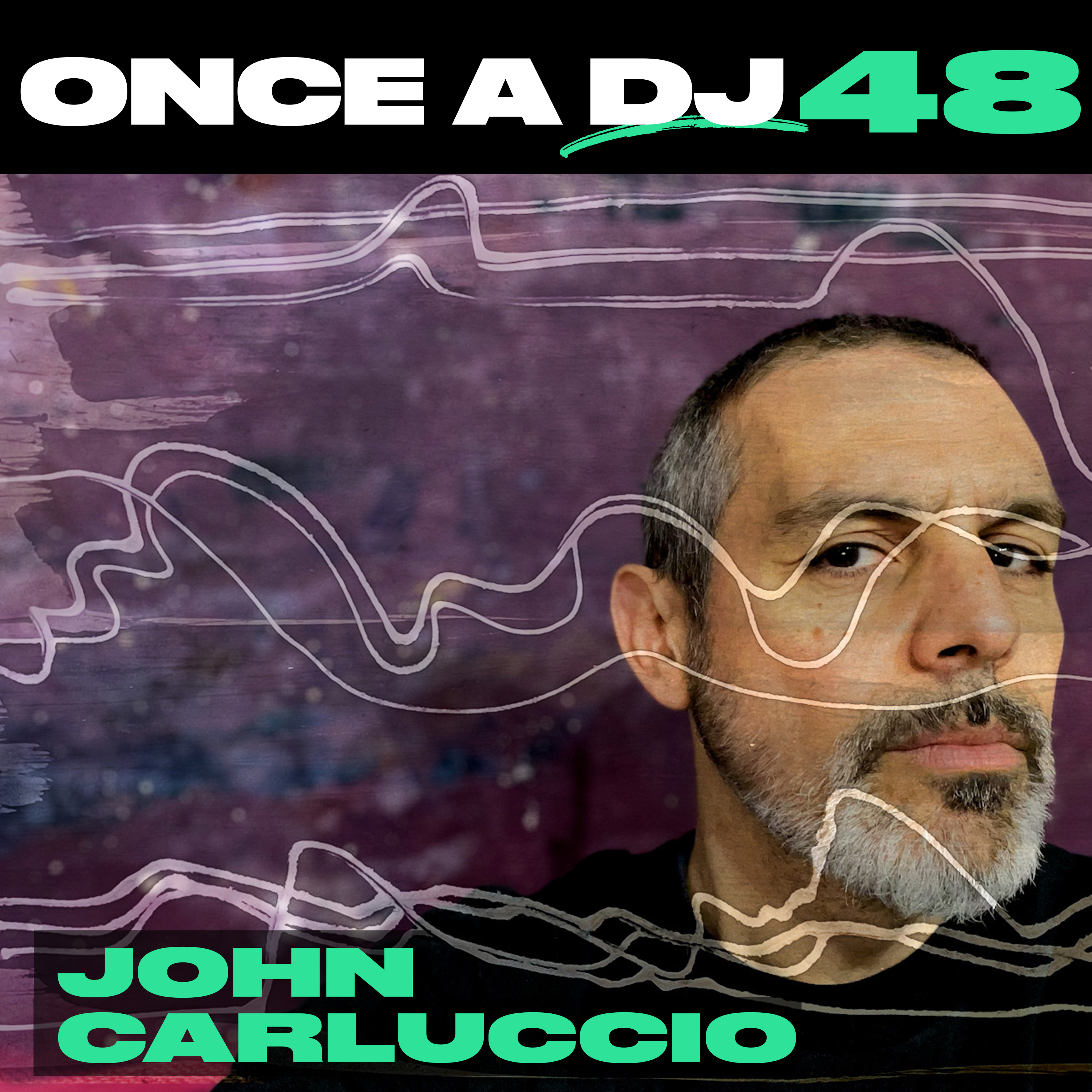
John Carluccio, an Emmy-nominated filmmaker and pioneer in the turntablism movement, joins the podcast to discuss his groundbreaking work, including the documentary “Battle Sounds” and the Turntablist Transcription Methodology (TTM). With a rich background in architecture and a passion for music, Carluccio has dedicated his career to documenting and elevating the art of DJing, showcasing figures like Q-Bert and Roc Raida. He emphasizes the importance of understanding and expressing individuality in scratching, advocating for an artistic approach rather than purely technical proficiency. The conversation delves into the evolution of DJ culture, the significance of community support, and the innovative software Sxratch, which helps DJs visualize their scratching techniques. Carluccio’s journey reflects a commitment to nurturing creativity and collaboration within the hip-hop community, making this episode a celebration of artistry and expression.
The dialogue delves into the challenges and triumphs of Carluccio’s journey, from his initial fascination with DJ culture while in college to his role in producing ‘Battle Sounds’ and the educational content he created with major music brands. Carluccio’s philosophy revolves around meeting artists where they are, encouraging a deeper connection and understanding of their craft. He highlights how his architectural training influenced his approach to music, blending visual and auditory elements to create a comprehensive learning experience. Furthermore, Carluccio discusses the evolution of his projects, including the development of the Sxratch app, which visualizes DJ techniques and allows users to not only learn but also explore their unique styles. The conversation underscores his commitment to fostering a community where DJ culture can thrive, emphasizing collaboration and innovation in the arts.
Companies mentioned in this episode:
- Pratt Institute
- Dubspot
- Current TV
- Native Instruments
- Roland
- Serato
- Ableton
- Sxratch
Transcript
So welcome to Once a dj, John Carluccio.
Not a DJ per se, as I am aware, but we’ll kind of get into this as you’ve been a huge sort of ambassador for the turntable as a musical instrument over, say, the past three decades.
Speaker B:Wow.
Speaker A:How are you doing today?
Speaker B:I’m doing good, I would say. I am not a good dj. What’s an average dj, let’s put it.
Speaker A:That way, you know, welcome to my world then.
Speaker B:Yeah. Oh, no, I’m sure you’re very good.
Speaker A:Thanks for coming on the show.
I think what would be really interesting with this is my first kind of experience of you was your part on Scratch, which was kind of my bible for a long time. And probably do a rewatch.
And then from that it was Battle Sounds, which is your kind of exploration of turntableism as an art form and kind of musicianship. So I’m really interested in, first of all, understanding what your background is with respect to music and art.
Speaker B:Okay. Well, my background actually is in architecture.
I went to school in here in Brooklyn, New York, Place called Pratt Institute, and I studied architecture and I was into music. I had friends that were DJs, a guy named DJ Avenue, who still DJs. He. He works with Jazzy Jeff and a bunch of other people. And he.
He introduced me to the battles he was battling. And so before I knew of my.
My roommates and I, we had a radio show and we would also go down, we would, you know, learn more about what wasn’t called turntableism, which is called Battle DJing, and see AV perform, compete, and was sort of frustrated with just the. The way the audiences responded that certain things were at a higher level or.
Or it became a reoccurring theme that DJs were doing more advanced stuff, but the audiences weren’t at that level, weren’t. Weren’t necessarily. Weren’t understanding what they were doing, partly because maybe the DJs weren’t presenting what exactly they were doing in a.
In a way, or maybe the audiences didn’t have that point of entry. And so the film was something that came out of that. I had done some stuff in school, actually.
It was a class called Futures where I brought in av and we talked about the. Compared. I would say, what was it?
Postmodern deconstructivist architecture and music at the time, and played Public Enemy and looked at Frank Gehry and all these artists and architects.
Speaker A:So could you summarize that a little bit?
Speaker B:Yeah. So what I would. What I would do was at school I was very. I saw a parallel between the art art movements and architecture movements.
One in particular is deconstructivist architecture and how they would recontextualize materials and seeing the same thing going on with hip hop. Hip hop, DJing, sampling, things like that. So it seemed like an easy fit. But I always put these two together. Music and sound, music and images.
And so that was always lingering with me.
And then my brother was going to NYU film school and I was working with him on projects, and before I knew it, I was documenting this community and that became Battle Sounds.
Speaker A:Was there. What was your kind of musical background prior to college and battling? Was there anything sort of classical or jazz or anything like that?
Speaker B:No, just. Just a fan. I, I made pause tapes. You know, I would record radio shows and, and, and collect records.
I mean, it took off once I got to college, being more of a collector and, and just loving sampling and the idea of kind of putting this puzzle together, finding pieces, sort of having a musical sense of like I, I could hear something and then say, oh, I know that sample. Like just that, that, that. Yeah, that, that joy of that. And never that.
Never dying really, to this day, like still having that, that drive and attention towards sound.
Speaker A:Yeah. So how did you start the documentary then?
Because I can’t imagine taking on a project of that sort of magnitude, especially when it’s not the world in which you’re training or the subject in which you’re training.
Speaker B:Well, I always treat it as like, you meet people where they’re at. That’s with all the. I learned that maybe then.
But I also understood that with documentaries in general, like, you try to find out where people are and listen and, and pay attention to what they’re, what they’re showing you, but also put it in a greater context of what, how people can read it, you know, so.
But I was very deep in this already, like with the radio show and the collecting and, and, and having, you know, relationships with DJs who are competing. But I saw it like.
I mean, two of the films that I remember being influenced by were a film called Hoop Dreams about basketball, about young guys trying to get into the NBA, high school players. And then. And then this other film called Visions of Light, which was about a history of cinematographers.
So I saw, like, the cinematographers is kind of like, okay, they are kind of behind the scenes creating these images. Everyone talks to the actors, the directors, but these guys, and women too, are, Are creating the language and the vocabulary of film.
So I, I felt like, okay, using that I sort of wanted to do that approach. So I had a, a big, big grab. Like, I don’t know if you’d say the big. What’s a little nose terms. I forget where you were.
Like, I had a big idea with this, like where I was like, I’m gonna get all the history of DJing, because it hadn’t really been done and everything was about MCs especially. And I was like, no, this is really fascinating.
And I wanted to show off like the work ethic and, and the amount of dedication and just like the cleverness of all this. So it ended up being that I connected with Rob Swift, Rock Raider and what we call the X Men at the time, a lot closer.
And that, that’s where it became like the hoop dreams kind of thing where Rock Raider is trying to compete, is in the middle of a comeback to try to compete for the world Championships, the DMC Championships. And so. And Rob Swift, who at the time lived only a couple blocks away from me, I would see on the train and we talked and then I would.
He, he helped me get access to all this stuff.
And so that became more the personal story and a lot of that became what be what was called exercise, which was more of a promotional video for what, the X Men who became the Executioners?
Yeah, it was more like a promotional item for them, but because they were approached to do a video and they’re like, John’s been there following us for a year. He’s been, he has all this great stuff. We done all these interviews. We, we should do something with him.
So I packaged like a small video just about them that took off and was sold at Fat Beats and all these record stores all over the world.
But meanwhile I was trying to do this big picture project which was battle sounds, hip hop, DJ documentary, you know, and that was exhaustive and to this day really hasn’t been fully seen. I mean I shot like almost 200 hours worth of material with. It wasn’t just me.
I mean my, my, my roommate Rio and my brother Paul were, were definitely big collaborators on that. But I ended up, you know, putting this whole thing together and keeping it going.
And, and so this film, yeah, it was like a five hour documentary about the history of DJing at DJ premiere. And it had Africa Bambada and, and it had. Obviously Grant was a Theodore and, and Jeff and Cash money and a lot of.
. So what happened was around:In America, I guess. And this guy, DJ Shadow, not to do shot DJ Spooky. I’m sorry.
DJ Spooky was doing some work on that and he was part of the documentary, said hey, you guys should try to be part of this. He got us in and we. I cut a. A short version of that long version and that’s what people see today.
So I’ve never really dived back into this really extended version. It’s kind of. I don’t know, we can talk about that. But. But this thing stuck and we just kept it moving because it’s really. It was very hard. It’s.
It’s hard to make it a commercially available project because of all the music and rights clearance sucks, you know.
Speaker A:So how did you feel when it was. The opportunity came to get it in a museum? Because that’s.
You’re kind of the first guy, as far as we know, that was kind of doing this sort of work advocating for turntableists in this way and for that to be recognized as art through your work. That must be pretty amazing.
Speaker B:Well, yeah, that, that was the interesting thing here because I always saw it as an art form. And so for an art establishment to embrace it, I was very happy about that. The other part of it was interesting is like I mentioned fat beats.
So it had sort of like what you’d call a high art following with the museums and art institutions that like. It played in other museums like the Smithsonian and the New Museum of Contemporary Art in New York City. Actually we played that.
That’s how we got the Whitney thing. It’s actually played in this other art establishment.
So it was great that the highbrow or whatever you want to call the high concept people got it, but the underground heads got it too, which was, you know, fat Beats and the record stores and. And I, I did an annual event called the Turntables Festival where I would show a version of the film and sort.
To raise money to keep it going, but also create an opportunity for DJs in a more. Less competitive environment. Just showcase what they’re doing. And so. So that also maintained this sort of underground following.
So I had that sort of the two ends of the spectrum. The middle ground. Mainstream was not. I couldn’t get in that. In that, that stream, I guess you said.
Speaker A:Yeah, yeah, yeah. Because I was going to ask how you financed it, because you did you come over to the uk.
Speaker B:We did. So what, what it’s all all self financed, really cheap. Really. We crashed at people. Like when we did, when we recorded in la. Slept on the floor.
Baboo’s house. Yeah. Parents home or he his home. I don’t remember who. So when, when I went to la, I slept on the floor of Babu’s place, J. Rock’s place.
We were in San Francisco, Rio’s uncle. We stayed at his, his art studio in uk we found these really cheap, really cheap hotel, kind of youth hostel kind of thing. And we just, just.
It was, we were young, we, we wanted to just. We were into it. It was an adventure. So. So when Raider said he was going, when he won, he went to London. We’re like, all right.
We figured out a way to fly out, follow him around and, and come back with him. So it was just, you know, I spent whatever money. I lived cheaply. I really did live very cheaply.
Where, where I was in Brooklyn, so I had three roommates and it was that. It was a different time and it was a really different, much different time, you know.
Speaker A:Yeah, but I guess even then, even doing something cheaply, it’s still, it’s still a lot of skin in the game.
Speaker B:Yeah, I mean it was high video, it wasn’t digital. You had to keep buying tapes. And I got, you know, it was. And then you transfer the VHS tapes and transferred to VHS or Beta.
Eventually I invested in that and, and then using different softwares. Yeah, I mean even the edit that, the one for the Whitney, I had to rent. I had to get a, a non linear editing system rental in the evening.
So like from 8 at night till 8 in the morning, it was available to me. It was like off our studio time that I had stuff like that. So I forgot how. How much? Yeah, how much, how much was put into this over a period of time?
this out to the masses. So by:So when they were doing their production, they of course knew about me and they also, they’re from L. A so they needed sort of a New York representative to help be an advocate and make some suggestions and, and sort of just be an advisor on their project.
Speaker A:Yeah, when, when you were filming, did, did you have to be careful with any of the footage because you were filming, say like rock raiders going for DMCs and I guess some of the Other guys were going into battles. Was there anything where anyone was like, you’re not filming this?
Speaker B:No, no, actually not. Because of the. The way that you could share stuff wasn’t really the same. So the only thing that was. It was like, can you give me a cop there?
It was more like, if you fill this. Can you give me a copy of this? Yeah, right. It was more that. And you know, it’s so funny. That’s true. There was never a.
Like, I think there was always an assumption that I would not share someone’s DJ routine that they’re practicing. Yeah. It’s so weird. Like, I guess the way people operated with camera gear back then, it wasn’t like it would be.
It would mean a lot if someone record you at your home. And then it. And it was. All of a sudden you see someone else had it, unless they were your friends. You know what I mean? So there was like.
There wasn’t that much. There was one guy who loved Rock Raider who was like, hey, man, what footage do you have of him from this battle or this battle?
Because it was just hard enough to get the battles, like. You know what I mean? Because there was just like the new music seminar battles are very difficult to find. So. But no, nothing like that. Which.
Which I guess is a really good thing that meant that I earned their trust. So that’s really great. Yeah.
Speaker A:So there’s. Yeah. Because there’s the. Earning the trust. And I guess as well, like you say, because it’s not.
There wasn’t maybe an experience of someone leaking something like that because it was so hard to do. Maybe it wasn’t as much of a consideration either.
Speaker B:Yeah, it wouldn’t. It would have to be. I don’t know who would. Yeah. Because it’s like, who’s gonna really want it? And it would have been.
I don’t even think anyone was really trying. Like, was. Wasn’t that like, when the. When at a certain point the scratch Pickles battled the executioners.
And I don’t think either team wanted, like, intel on each other. They wanted to win on their own terms. So I don’t even. Even though. And they might even.
And most people would assume they’ve seen most of what they would do anyway, so. Or I’ve seen variations of it. You know, it’s pretty funny. Like some of the stuff that they did come up with in that battle.
Speaker A:Yeah. I’ve heard that Mike improvised everything, really.
Speaker B:I just know that. That there was this thing, you know, they did.
They did have, like, Raider did something with this hat that was inspired by something he saw Mike do, you know? Yeah, but no, that was at that point in the project I was, I was really spent and I, I had wished I had recorded that battle.
I didn’t have access to that battle. It was such. It’s a, just, it’s a, it’s a, it’s a sore, sore moment for me because the DJs wanted me to shoot it.
Q. Bert and Mike and all like, yeah, get the. Of course the X Men wanted me, but the promoters for the event were very like, no, no, no, no, no, no, no.
And I’m like, look, that part, you know, and then someone else ended up shooting it and it became sort of this bootleg thing that, and I could have shot a high quality thing, could have been the final scene of this film that I was trying to do. Oh man, I’m still sore about that because I even, even with the dmc, I, I, I had to sneak in cameras for that. Like, I had a camera.
And yeah, it was a. But I met Tony Prince years later and I’m like, you know, he, he kicked me out of his battle. Like, he literally. No, he literally like. So I’m.
Here’s the thing with, with the DMC in 94, 95. I’m with Rock Raider. I request access.
They’re like, no, no, no, no, no, we can’t give you access because they’re making money basically on selling these videotapes and, and the exclusiveness of that. And I was like, look, I’m doing documentary, a Rock Raider. I’m not really interested in documenting the whole thing.
I’ll take bits and pieces and all that. They’re like, no, no. And so when they did like the night before, they did like some sort of event like on the Saturday before.
The event was like a Sunday. Tony Prince is like, if that guy John from Battlegrounds, he got the name wrong, is anywhere around this stage, we’ll, we will kick him out.
And meanwhile I’m like, I got a little camera and I’m kind of like shooting Raider. And then I’m like, let me put this away. And then security exited me out.
And then before I had like I said, other people with me and we stuck the camera back in and I shot some more. And ironically, some of the footage DMC ended up using when they did like a Rock Raider tribute.
So it was like, it’s an exhausting thing where it’s like you kind of like ask for permission, but then it’s easier to apologize afterwards with the Saying something like that.
Speaker A:Yeah, act now, ask forgiveness later. I think it is.
Speaker B:Yeah, there was a lot of that. But as you get older, you’re. It gets a really. It’s not fun.
It is not fun to be like sneaking in when you’re like, your goal is to make other people look great and promote not just the artist, but the, the event. Everyone comes out feeling great. So why give the, the cameraman a hard time? Whatever the. Pete Drew directed. So I probably have some trauma from that.
Speaker A:Yeah, I think on the X Men scratch pickles battle as well. I had that video. I can’t remember how I got it.
Speaker B:Yeah.
Speaker A:And yeah, it was, it was quite far back as well, wasn’t it? I don’t think from what I remember there was any sort of up close.
Speaker B:No, it was, it was a bootleg video. And it’s so sad because it’s like, look, man, this history is being made. Like, like, don’t get in your feelings.
This is my attitude about middlemen, I think is the best way to put it. Like they’re supposed to connect. People don’t. But some middlemen feel like they need to keep things set.
They need to flex their muscle and get in the way. But that’s kind of the politics of just negotiating documentary space.
I mean, I, I do films, I’m related to DJing, of course, and I still have to deal with that kind of stuff where people who, who feel powerful need to flex their muscle and you have to just be nice about it. I mean, documentary filmmakers can’t be assholes.
Like, I heard this guy, Steve James, the guy who did Hoop Dreams, he goes, documentary filmmakers can’t be assholes. And I was like, wow, that’s okay. Because you depend on the kindness of others. Like you really are there to support that person.
It’s not like an actor, you can say, hey, you’re fired, I don’t want you in this film anymore, blah, blah, blah. No, you really are married to the subject and really need to really be accommodating and put your ego aside and to get things done.
Because at the end of the day, like, if I’m a.
If I remember, I shot some of the Table turns event once and this, I was blocking someone by mistake, you know, and the guy was getting pissed off and I realized, like, okay, I could try to adjust, but like, I’m going to get this footage that like thousands of people are going to see and this one guy who’s irritated, it’s like it’s one person versus a couple thousand people. I’m like, I’m hoping we can vet. You know, I don’t, I don’t. I’m. I’m really good at like being invisible, don’t get me wrong.
But there’s that kind of balance where you’re just like, you know, sometimes people don’t get what you’re going for, so you have to sort of take some, take some, some crap for it. But at the end of the day, if you really believe what you’re doing and you think the story is going to work out, you take that risk.
And so, yeah, so like I said, it’s. That’s kind of part of the journey.
Speaker A:Yeah. So, yeah.
So when Scratch came out and it’s kind of, I think, funded by a studio and, and it’s, and it’s got kind of a professional production about it to kind of do the same thing that you were doing or tell a similar sort of story. How did that feel?
Speaker B:Well, it was, it was kind of confusing because here I was knocking on doors trying to get Battle Sounds distributed, and this production company really wasn’t production. It was really Doug Pray, who’s a great director, he did a film called Hype about grunge music that I really loved.
And he said he was working with the Hughes brothers, which is another, you know, great directing team. Right. And I was like, okay. And I saw that they could. I liked what, like, where they were coming at it.
I felt like they had a lot of resources that I didn’t. And so if you can’t beat them, join them, kind of attitude.
And it was pretty easy for me to just decide, like, look, I want to see this art form grow. And if I can be part of that film, it will help promote Battle Sounds. Obviously it will help. I want to see it done well.
So I want certain people that. Not just certain people, I just want DJs that I’ve already have access to to be celebrated.
So it was good to be part of it and also kind of see, you know, a higher end production, do something like be part of something as opposed to this grassroots independent style that I had. He was still an independent film, but it was a little bit, you know, it was another level higher or more advanced than I was.
So I got to, you know, I got. When they went to Sundance, I got to see it at Sundance. I would say the only thing that was kind of conflicting was like.
And, and I did talk to this guy, Charlie Ahern, who did Wild Style.
Speaker A:Wild Style, Yeah, yeah, yeah.
Speaker B:I remember I asked him kind of like how he felt when Beat street came out, because it was kind of like you get scooped. Like, in news, they call it. You get scooped when someone else gets the story, you know, and he had.
So I forget exactly what he said, but he had a very humble approach to it. And I also had the. The. The opportunity to see it with. With this distance. Like, you know, wild style is 15 or 10 years older than me, and.
And I could see, like, how its legacy lasted and where B Street is pretty cool. But people. Wild Style has such an authentic, one of a kind, first of its kind appeal to it. So I was like, oh, you know, I’d rather be that.
I’ll lean into that. Even though I couldn’t get the Hollywood film made of it, I was cool with being associated with it and. And also building these relationships.
I still talk to Doug Bray, so. So it was a little like, you know, confusing. But like I said, it’s. It’s about the art form and the artist. I’m.
I’m in service of the artist in a lot of ways. And that’s what’s. What documentaries do. Like, you really are trying to just paint a picture of what’s in front of you. And so. So, yeah, that.
That was how Scratch came about, and it was great to be part of it. I’m glad I got to talk about the TTM in that, which was interesting. That kind of came out. Not to be expected. They were like.
I was asked to be interviewed about a bunch of things, and that was the thing that ended up being part of the film. So that was cool. And yeah, you know, and they filmed. They filmed the. The Turntables Festival.
Number four, where Qbert was at, was my event, so it was great that it’ll help also promote the Turntables Fest as well.
Speaker A:Yeah. So just getting on to ttm, then. Turntableism, or turntable is transcription methodology, Right?
Speaker B:Yes. Okay. I remember liking it. I thought it was too scientific. I used to.
I would say method, you know, but even at that, I call it Scratch notations and all these things. But we. We settled on TTM when we did the booklet, so I can walk you through that. Yeah.
Speaker A:What was the inception of the idea then?
Speaker B:So I think it was 96. Baboo performed at the Turntables Festival. I’m gonna say it was this first. No, it was the second one. The second one right at the knitting practice.
So 19 7, I think. And he. He did this routine where he was scratching my Uzi. The. My Uzi weighs a ton. The Public Enemy Thing and I just. I could.
I could visualize what he was doing. I was like, oh, there’s. I could see the pattern. And like I told you, I went to architecture school. I have a visual background. I paint, I draw.
I’m a cameraman, so I do stuff from that perspective. I’m a visual learner pretty much.
So I started drawing stuff down especially, because with architecture, there’s all these kind of weird line patterns, like dots, dashes, and they have all the symbols and stuff like that. Some of it started to make sense because I was like, you can get the direction of the record, but you can also get the. The pattern of the crossfader.
So, all right, if this is the portion and this is the pattern, you know, combining it.
And I basically worked on it, had my tracing paper and did the whole thing and then started building it a little more, showing it to DJs and, like, guys like Rob Swift and Babu, and. And it became a thing that people, like, started to talk about them, like, oh, this could be cool. But it was sort of a. It’s a. It was a hard thing.
Like, how are you going to do this automatically? Just like, it took forever to draw.
Speaker A:Certain things just for the benefit of any listeners that aren’t aware of it. This is effectively sort of musical notation for the turntable. Yeah, I should have probably said that at the start.
Speaker B:Yeah, I mean, we called it. Yeah, it’s like scratch notes or of some sorts. But what it is, is. It isn’t. Isn’t. What it is not is like normal classic musical notation. It doesn’t.
It doesn’t fall into, like, the way, you know, like A, B, C, D, E, F. You know, like, it doesn’t. It doesn’t line up with keys and notes like that. But it uses. It does two things, actually. It documents what is.
What is being done with the turntable and the mixer. But it also can be just seen as something. As notes to create from. So it can either be. It represents what happened or it could be.
You can write something that you want to create. So that being said, it has a very abstract visualizing thing because you can’t. You shouldn’t.
You know, there’s so many little details you have to like, kind of round off to create these line patterns and things like that so people can understand the language. And so my thought was that, like, I just felt like, especially with doing battle sounds, I saw that there was this incredible art form that.
And people were doing these sophisticated things. One of the big things that happened was I was in the studio with the Executioners and they work on their album, first album Expressions.
And for some reason they only had two turntables in the studio. And so Rob would scratch something and then Raider would scratch something. You know, they would just.
They were multi tracking and I could see that they were scratching over each other’s scratches to make certain sounds or to just fill in. They would leave areas and I mean it would have been better. At one point they finally did get like eight turntables in there. But.
But the idea was like, oh, what if you could just write this down and say, okay, you scratch in here, you do this and it could be a better arranging tool. And so that was really part of it. And then the other thing was like, I just wanted turntable as music to improve.
I felt, I felt that if you could see what you’re doing, you might see that you have these patterns or these habits that could be adjusted. You could also see that like, oh, what if I just move it up to like a higher pitch somehow? Or what, what if I do something? But maybe I, I’m.
Maybe I reduce some of the scratching so like that you can really plan it out and arrange it. I thought would improve the art form. Make the art form that. Make it like more unique and diverse and.
Speaker A:Yeah.
Speaker B:And expressive in that way. Like, I felt like you. There’s going to be ballads and there’s going to be. There’s going to be high energy stuff.
So I felt like if there was a tool to really accelerate the composition of scratching, I was, I was all for it.
And that was really the goal because I just wanted to get it out there so that people could see that like there’s this is, this is an incredible skill. Like so like all the tricks and all the, like the language has been, is there. The Alphabet is created. What are you saying?
With this Alphabet was really more of my thought. Like, so, like how do. And that. I guess that that reoccurring thought in my head just came together with the lines.
And so 97 started showing it to people. 98 Started getting a lot of press about it.
And then around night, and then late 98, my friend of mine, Ethan Bowden, industrial designer, was like, john, we should do a booklet. And I’m like, sure. And he was doing his thesis. He went to Pratt as well.
He did a thesis on like he designed like a innovative scratch turntable and stuff like that. And so he had all this. He had a great work knowledge of not just DJ world, but industrial design. So me coming from an architectural design.
It was just really a good fit. And then. But the. Neither Ethan or I were like super advanced turntableists.
And then a guy named Ray, DJ Radon, he came about, came at the end and helped with more of the advanced scratches. And he was super valuable in getting those kind of like. And introducing like some these kind of open fader ideas.
Unfortunately, with him, I had to disassociate myself with him. I don’t know. That’s kind of a weird situation. But he. He splintered off and he’s doing his own thing. But he was very valuable. He was for the project.
I gave him a lot of credit. He. And we even did a whole bunch of stuff for a magazine called Scratch the Magazine.
So we got Scratch the Magazine, Scratch the Movie, it, Scratch the Software. Right. So that brand is pretty popular name wise. But anyway, that’s, that’s. That gives you a little insight on how the. The.
Yeah, the booklet came about and it just got. We gave it out free and it was just a really important time. It was amazing how like I think we gave out the booklets at Turntables Festival 4.
t, I guess you’d say February:Speaker A:Yeah.
Speaker B:Was a big moment that the booklet Qbert Scratch documenting it or Doug PR Documenting it, you know.
Speaker A:Yeah.
Speaker B:It’s a nice moment.
Speaker A:I think that’s really interesting what you said about using it as a tool for arrangement and space. I’d never thought about it like, I’d purely thought about it as understanding techniques rather than sort of composition and arrangement.
And what you were saying about kind of how you see things. Because I kind of think about that with beat juggling. Like I. I want to be able to see the patterns.
Speaker B:Yeah.
Speaker A:And it’s like. Is that some sort of synesthesia?
Speaker B:Is that the term? What’s that defined as this.
Speaker A:So synesthesia is like when you might associate a unique number with a number with a unique shape or. Oh, you can hear colors and that sort of thing, I guess. Yeah.
Speaker B:That would be a way of describing it. I think so.
Speaker A:Yeah. I might. I might not be quite right. So I’ll have to check that afterwards.
Speaker B:Yeah. I do also recall the a track around maybe 9 or early 99 or late 98.
I met him and he showed me his system, which is very similar, but it was like these hard lines with like. Like hash marks and stuff. But it was used as notes. Like he was using it.
Like he’s like, I got to do these Amount of scratches here, I gotta use it, you know. And I found that to be fascinating too, because it was just people were needing a tool to organize their thoughts and saying, like, it’s gonna.
I’m gonna crab here, I’m gonna do a crab scratch here, a flash scratch here is orbit here, whatever it is. And instead of having words, it was like, you could be a little bit more nuanced. And then with. And.
And eventually, you know, my style had a little bit more this curvature drawing to it. Yeah. And then I saw. Well, it was. It ended up being cool because DJ schools were.
Ended up using it a lot because it was a very fast way to talk about it. And now it’s great that there’s a software like Scratch that I got involved in.
Speaker A:Can I just be devil’s advocate?
Speaker B:Yes, please do. And actually that’s important. I do think that a lot of people just don’t do that enough in podcasts, so go for it.
Speaker A:So my feelings around scratching, I think they became a certain way partly because I just got to a point where I couldn’t advance technically. My, My hands just wouldn’t do the stuff. And also I wasn’t committed enough to try as hard as you need to try to make it happen.
You know, we, we both know how. What it takes to be elite level at all this sort of stuff.
But something I’m wondering about is whether the ability to sort of notate would, for some people have meant that they focus more on techniques than feel.
Like, I’ve been at Scratch jams and I’ve watched scratching where people are like, right, I’ve got to do my three click flares and my swung delayed flare orbits and. And they’ll just be like doing the same technique for sort of four bars or whatever. And rather than kind of relaxing with it and just flowing.
Speaker B:Okay, two things in this one, when we first started showing this booklet out, there were. People would tell me directly, people I knew who were cool with me too. They would say, I, I don’t care. I didn’t go. I’m DJing not to.
I don’t need this educational thing. Like, it’s too scientific. It doesn’t need. I just want a dj.
I. I’m like, they’re like, I DJ so I don’t have to think about school and education and, and arrangement and what’s right and wrong and all that. And I was like, I get. I’m totally. And I would say, like, it’s not for. It’s. It’s more for just an expression. Option, like, it’s an optional thing.
There are lots of musicians that do not read music, for that matter. So there was that. But then the other part of it was that I found that, like, the idea was that I wanted to just.
I thought that there’s too much scratching going on. Like, I felt like, the idea that, like, you have to, like, some of the best scratches. Like, you know, it’s like, I. Like, what was it? Massive Attack?
I think it was. Or is it. Or said one of those guys has a DJ and he’s just got these slow rubs at the starting of a track.
Speaker A:Yeah.
Speaker B:And that’s just as valuable as, like, someone scratching their heads off. And it’s about. When you scratch, where you scratch. It’s about composition, about the overall art and that balance.
And my thought is, like, if you can kind of see it, you can see how out of balance it might be. Or you might see, like, oh, I’m. Oh, I am overthinking this. And I did think that maybe that would be a way to sort of actually, like, to.
I guess the point I was saying before about the Alphabet all being there, we don’t. Instead of trying to create new letters, like, look, you’ve got the basics here. You don’t have to use all these letters.
You can say what you want to say. And everyone is, if you’re an artist, you express your. Your spirit, your personality, whatever it is.
And it doesn’t have to be an exact science about it. And so I found, like. Like, I wanted to see more unique expressions. So. And so this might have been the tool to do it. I think some folks got really.
Some DJs might have gotten caught up in, like, the competitive nature of just like, it’s like a video game thing. Battles tend to get that battle mentality seeps into a lot of things.
And I’m, like, slowly pushing away from that competitive space to just be, you’re an artist. Say something. What are you trying to say? Like, really? And if you’re only looking at other DJs, that’s really a problem too.
Like, you have to be looking like. Even when I would. Would talk to Qbert, I remember. So pre Internet, you talk to people on the phone and. And so you’d get real.
Sometimes you get random calls like, yeah, hey, I’m a DJ from Idaho or something. You’re like, yeah, I came across my newsletter. I had, like, we didn’t.
We printed out, like, these 11 and a half by 17 piece of paper that we came back at is a four or eight. Eight page kind of newsletter, right. And we wrote. First time you saw the definition of a turntable list was in this newsletter.
Babu said it on, told me, I wrote down. I said, is this how we should define it? It’s like, perfect. It’s in print, you know. So anyway, I sidetracked a little. But you talk on the phone.
So I remember talking to DJs that were like, just kind of picking my brain. They’re like, hey, do you ever talk Q Bird or these guys? I’m like, yeah, I have. And. And they’re like, who’s he into? Like. And they’re like.
They’re like, I’m so into him and this. His music and all what he does. I said, yeah, but you should look at what he’s into. Like, he’s in the Jimi Hendrix. He’s in the Miles Davis.
He’s into these other artists. He’s studying their patterns.
Like, that idea of being inspired by other artists outside of your medium, or even if it is music outside of your genre is the only way you’re going to. Not the only way, but one way that you can excel. So I found that to be fascinating.
And I thought, like, oh, maybe there is certain patterns that you could pick up from a jazz artist or from a guitarist or something and apply those patterns as a turntableist and say something with it. Not just. Yeah, not to show off moves. I mean, I recall one of the knocks on break dancing or breaking was that it was just a lot of moves.
Just like, a lot. And there was no dancing.
So there’s that kind of thing where it’s like, you have to ask yourself, like, is it a bunch of explosions or is it like a pretty. Like a burst and then. And then some story? And then, like, how you tell the story is so important. So I’m pretty passionate about that stuff. Yeah.
Speaker A:Yeah. I mean, D Styles is where you need to look, isn’t it? Like, he can do all the crazy technical stuff, but a lot of the time he doesn’t.
Or on Q. Bert’s tutorial dvd, he’s just doing Stabs or even Baby Scratch. And even though he’s doing the most basic movement, there’s just something about it.
It’s just still got a funk and a certain way of expression, a certain type of expression to it.
Speaker B:Yeah. And it was.
I was lucky enough because, like, I went for years, I worked at Dub Spot, a music school, and I would get to, like, interview and document, like, a lot of musicians. And I got to meet. I did a Project with Molly Mall called. What was it called? Molly’s Secret Recipes or something like that.
Molly’s Secret Recipes, something like that. And he would break down how he produced beats and stuff.
Speaker A:Yeah, I’ve seen the mama said, knock you out one of those. Really good.
Speaker B:Yes, right, right. And he talked, but he talked about ghost notes. And the thing about Molly was that, like, he wasn’t just sampling the kick and the snare.
He was also realized. He learned that there’s that kind of air or space between the notes that he was also either sampling or like we give it that feel.
So it wasn’t so mechanical.
And it also like, so the idea that the breadth between the notes is as valuable or is, you can, you can, you could even contain like a negative space kind of thing was fascinating to me. So I think of that with composition as well. And it’s like, I think having the space to do less minimalism is a lot of work. And that’s my quote.
I say it all the time. I say it all the time. I aspire to it as an editor especially. It’s very difficult. It’s like, great to do.
Like, you could do it like, like a film or whatever it is, and it could be condensed and nice. But there was a lot of work to get everything down so that to get to a very clear statement is very difficult as you could. It’s very difficult.
As you can see. Like, I was like some of the ramblings I’m saying right now.
You know, it’s like if I could just, if I could just have like two words and just that could be the whole podcast, that would be nice.
Speaker A:I think you can extend it to life, though. Like, I, I, I try to cram everything in all the time.
And, you know, I’ve sent you this, I sent you this invite today and I’ve not put the link on for it. It’s like if you can find a way to do less things, you can do them more effectively. See a little life lesson in there. So you mentioned the work.
Was it dub spot?
Speaker B:Sorry, yeah, yeah.
Speaker A:Yes. I was going to ask sort of through, through the years, really through making the documentary and sort of through the TTM development.
Were you, did you have sort of day jobs throughout all of that?
Speaker B:So, yeah, actually I still work at Madison Square Garden for the Knicks, New York Knicks, Rangers and Liberty. And yeah, I was the fan cam director.
My brother and I were both would run around the crowd with headsets on and go to a fan and say, hey, we’re going to Put you on tv on the screen and they would wave. Sometimes we have to check the banner that they didn’t say something offensive about the owner or something.
Sometimes I had to push people from getting in front of the camera. I remember Will Ferrell. I, I joked with him once. I had to put him on camera. I told him, I’m just telling you, we’re going to put you on camera.
Like, because sometimes it’s like you don’t want to catch him off guard. I said, was it Will Ferrell? Might not be Will Ferrell. It was someone, it was a comedian.
And I said, I said, I just want to let you know so you’re not picking your nose. And then as soon as the camera went, you started picking his nose. They’re like, cut out, cut out.
I want to believe it was Will Ferrell, but I think it was someone else. But, but yeah, so I had that job. But I also was working on short form documentaries.
I think what happened was with Battle Sounds it was such a massive grab and it was so hard to like get it done and it never felt like it was ever done. And because I. It was just too big a project.
And so I went to short form and I did like, I worked with this network called Current TV and I did about 20 to 25 short form films for them and it was great. I got to explore a lot of different topics. Artists, musicians, painters and all over the. Some news stuff.
And then started working with some different TV networks. And then Dub Spot was an opportunity that stepped in and I got to run their video department and coordinate all that stuff.
Speaker A:Was Battle Sounds the door that opened?
Speaker B:Not really. Honestly, it was, I think because it was so rough and it wasn’t, it wasn’t that polished.
Speaker A:Yeah.
Speaker B:And I was kind of late to the game. I started like, like I said, I didn’t go to school film. So it was like I, I was in my, I think I’m 25 to 30 area.
I think I might have been 30 by the time I was finished with Battle Sounds or technically finished. And yeah, getting work in the industry was very tough. And so it was more like just do it yourself.
And they had this term called, you know, it’s a producer editor type for news. The horrible term predator. They tried to call. I’m like, this is not good. I can’t call myself a predator.
But they used, it was an interesting term and I was kind of a go to person that people knew that I would shoot it, I would edit it, I would turn it around fast and I did enough of that that he got me to work at this one TV network. So.
And then when I would talk, then every once in a while like I would be documenting some sort of hip hop or DJ related event and the DJ usually like would jump out behind the Yo, John, what’s up? And people like, how do you know this guy?
You know, like, so it’s kind of like my little secret that people didn’t know that for many years that I was so invested in the DJ world. And yeah, I always stayed in touch and, and then when Dub Spot opened up, it gave me an opportunity to reconnect with a lot of people.
DJ Shifty was a big part in getting me that gig too, which was cool. It was like, yeah, he, he met me at a Nick game once. I didn’t realize it.
He like, he’s like, I was working and his dad came over to me and he’s like, see that kid up there? He was like a little kid and he’s like, that’s my son, he’s a dj. He’s going to be a big DJ someday. I’m like, okay, all right.
And then so Fast forward, maybe five, 10 years later, I’m working at Dub Spot. And for a couple times I must have worked with him a couple times we talked and great relationship, really, really fun. We had a lot of fun together.
And maybe on our third project he tells me that story and I was like, oh, no way. That was you. Like, you know, I, I barely remember that, you know, but one of the cooler videos that you can find is the Shifty DMC video we did.
It’s kind of like he played different DMC winners. Like he, it was like we did this. It’s the first time I ever did green screen too. It was like.
And he would, he did his winning routine, but each segment we had him dress up like he was cash money or like he was cupmaster Swift or like a track or whatever, so. Or Craze or Kentaro I think at the end or something like that.
So it was like the history of the dmc but he’s playing it’s each guy or he kept changing outfits and nice.
Speaker A:If it’s up, we’ll put a link in the show notes.
Speaker B:Yeah, yeah, it was a fun, it was fun. But Shifty’s.
Speaker A:Yeah, he’s super talented dj.
Speaker B:Yeah, really good.
Speaker A:So then at what point did you think, yeah, do you know what? It’s about time to make some software?
Speaker B:Well, the software thing was something I always wanted. I am not A software designer. But it was.
I had meetings with different companies that were trying to do things, but it was this company, Scratch, and that’s spelled with an X, right, instead of a C, that was doing something. They reached out to me and I was going. I got invited to go to the sample music festival where they were also going to be at one of these.
Bob, the guy who was. Excuse me, Bob, who designed it. And we ended up building a relationship. And because I had this foundation, because it was based on.
On the ttm and I had all these relationships already built in with that. With that transcription system. And I’m passionate about it. And I ended up becoming creative director of that software. And so.
Or in a company, whatever. So. So with Scratch, I became the creative director of Scratch and just. It helped really promote it and really develop it.
We’ve been really fine tuning it. My thought is like, I’m about getting it to work, getting people to like it, enjoy it and. And need it. Like, they really need it.
Let’s give them something that they need and not just something that’s just like an idea. Like, it actually works. It actually has the opportunity. It actually. You can actually do stuff like teach with it, like where you can.
It can draw the line and you can scratch over it to kind of match it. Like a Guitar hero. There’s so many things that. That are coming out with it that it’s pretty exciting and.
Speaker A:Yeah. So. So effectively, just for anyone listening who’s sort of interested, it visualizes the scratching that you’re doing.
It kind of puts it into the turntable transcription methodology.
Speaker B:Yep.
Speaker A:So it’s a way. What I found interesting is, is kind of when.
When you kind of explain more about it, it’s a way to look at how expressive you are and aren’t with your scratching. And I guess, like we’ve just been saying about how much space you’re occupying with it and all that sort of thing.
So you can kind of use it to really get into how you can slightly change, adapt and evolve your technique, phrasing, musicality.
Speaker B:Right. Because there’s even ways where you can.
You can scratch, you can play it back and you can turn off your fader so that you can just see how you’re moving the record back forth. That’s it. That alone is very. It’s like educational, like, to see, like, okay, this is how. And then you can turn on the.
On your cuts so that you can see where it is. You also, there’s a way where you can swap out the sample. You can you can remove the, the beat that you’re recording under?
So like, let’s say you want to export it and use it for something like some recording. You can do it, you can change the pitch on it. There’s a lot of opportunities to do things in the educational space.
Obviously we’re looking at it more like a trainer. Like, so let’s say you really just want to like get your chops up. You can, you can use it and sort of like, and just warm up with it.
There’s a. Yeah, there’s a lot of things that could be done, whether it’s performance, whether it’s production, like as a tool, like a BST or some kind of plug in.
But the idea that also could be a display item, like something where someone’s scratching and you can see it behind them or you can see it on a screen. Like it could be a visuals opportunity, which I think could be great because then it’s.
All of a sudden you’re like, oh wait, all that stuff that they’re doing that like, oh, that’s, that’s it. Like there’s a, there’s an element of not understanding what’s going on because of the nature of turntable being. There’s a, you can’t really see it.
I mean there are some DJs that have tilted it up a little or they have controllers where you can see them and things like that. But. Or there’s an overview camera.
But the idea that maybe you can see it in an abstract way that, oh, there is some complexity that’s, that might be impressive to people, but they also might be impressed with just like, like I said, there might be a very minimalist kind of. Yeah, graphic, you know, And I think.
Speaker A:With, with hip hop, this is something I’ve thought about in different ways, particularly through speaking to people in this forum. I guess it’s going to be a matter of time really before someone looks at it and just finds a way to use it.
That’s just beyond anything you’ve considered.
Speaker B:Yeah, I couldn’t imagine. He was so funny. I talked to a DJ instructor out of Texas, this guy, DJ Gonz, and he was using it in one of his classes. Classes.
And he realized that like students, when they were like releasing the record, they weren’t like kind of like pulling it back and forth and then releasing it. They were just like at a cold start.
And so when he saw the line, he didn’t, he could see that they weren’t moving their hands back and forth to kind of release it. And that was affecting how the thing set, how the sound came out.
So things that were happening, like I was talking about ghost notes, things that are happening before and after the scratch you can actually see and could actually help you, you know, with your compositions.
Speaker A:You know, it’d be interesting to see how it could be used for beat juggling.
Speaker B:I know that’s. That’s the challenging part. We. Yeah, we’ve been working on that. We’re open to ideas as well.
In the booklet, we figured out a way, but that never took off. Like, the booklet was kind of like a test case. Let’s see what people. What. What sticks.
And so, like, our idea for beat juggling really didn’t take off because it’s still. You got to put like markers on the line that. Where the base would be.
Speaker A:Yeah. And it’s. And it’s. And it’s almost. Do you kind of mark things out by rotation of the record or do you mark them out by.
Speaker B:Right.
Speaker A:By the beats? In which case every. There’s going to be a uniqueness to every kind of pattern that you’re doing things with. It’s a real minefield, isn’t it?
And it’s so abstract.
Speaker B:It is. But the good thing about it is, like, I mean, right now, Scratch the scratch visualizer does one turntable.
So when we get to a point where we have two turntables and people are beat juggling, there could be a way where you synthesize that data and find out a way to do it. I mean, there’s a way to maybe put waveforms on the line.
And then you would see sort of like kind of musical events that are happening that could be color coded. Like Serato has these colors for certain sounds. That could be a way of doing it. And then it could sort of abstractly read is an interesting thing.
I mean, right now, the. Trying to get just the scratching part of it right is where we have to put our priorities.
Speaker A:Yeah. And are you still looking for beta testers?
Speaker B:Yeah, beta testers. We have a few. We always look for more.
I think they can find us on the website or we can figure out a way to get you a link so that people will test it out. Yeah, Right now, the version network, there’s a version that’s out. There’s a free trial that you can try for three days.
And then there is a version network beta testing that has more of an educational component so that you can. It could be like you can see rubs or something, and then you can rub right over it. And then we could see how close you are to it.
So it’s sort of like a Guitar Hero style of software. But the idea that we were going to customize that with.
With different DJ schools and things like that so that a DJ instructor could create their own syllabus and, and be able to use this software to communicate with students. Students could do homework or just like, if you want to let a D style scratch, he does a scratch. You can try and copy it.
Speaker A:Yeah.
Speaker B:You know, it could be as simple as that. Like imitation. Trying to see how close you can get to it.
And you might have a better way of learning from imitation, but you’re doing it visually as well as.
Speaker A:Yeah, I think scratching as well. It’s kind of like it varies as to how.
What your hand position is on the record, whether you’re scratching from your knuckles, from your wrist, from your elbow, from even your shoulder. Like, everyone’s a bit different, aren’t they?
Speaker B:Yeah.
Speaker A:To say like a shortcut, there’s a lot of. Or it seems like there’s a lot of forearm in his, like, you know, he’s the master. Fast stabs and stuff. And yeah, everyone’s.
Everyone’s a bit different. And I wonder how much that affects your, I guess, your envelopes.
Speaker B:Yeah. And it doesn’t really matter if you get it exactly right because it was funny. Cutmaster Swift told me when I, when.
So when we went to London, I got to document cutmaster Swift while we’re there for the Rock Raider DMC thing. And I got to. Went to his home and stuff, and I remember him showing his Cash Money routine. That was so impressive.
And he goes, the next year, DJs copied that routine. Even the mistakes that Cash Money did. And I was just like, wow. Like so, like, you don’t really need to, like, like you have to still be yourself.
Like, so that mistake that Cash Money did, they thought was like, oh, I got to do that too. But he didn’t even meet to do it. So it’s, it’s like, you know, you, Imperfection. I like mistakes.
I think mastering your imperfection, whether it’s grand was theater, mastering the scratch imperfection, or just like whatever becomes your language.
You know, I, I did that talk at sample music festival where I leaned into that, like, just, you know, embrace your mistakes, you know, because that’s what’s going to define you. And that, that, those things, you, first of all, you’re good at them, probably because you do them often.
But then the second thing is make that your signature. Make or. Or refine it enough that it could become part of the, your language or your, your signature. Like it’s gonna be. So lean into that.
That’s my, my personal opinion. Because then you’re not trying to be anybody else but yourself.
You just embracing what’s already being kind of a higher power is telling you to embrace it a way I feel so.
Speaker A:Yeah. Right. John, a couple of notes here. So. So for one thing, did you finish school?
Speaker B:Yeah, yeah.
Speaker A:Did you ever go into architecture then? Professionally?
Speaker B:Yes, for while. While I was shooting Battle Science, I was still working for architects.
And funny, I didn’t call it this at school, but afterwards I was like, I get this word people used to call it arc of torture. Because it was a lot, it was a lot of, a lot of work. I mean, architecture is a five year degree.
You have to, you know, you have to put a lot of time and energy and. But it creates an analytical mind where you really have, you can’t just be random. You can’t just like say, hey, let’s put a window there.
No, there’s, there’s a, there’s something on the other side. The light will. You know, they have to really, you can’t just. And good design has to respond to a lot of variables and you can’t just be random.
Like an artist can be random where a designer can’t. So I, I find that foundation as a designer been very helpful for me.
Speaker A:Right, interesting. So then just, just to summarize, you weren’t a filmmaker, you became a filmmaker.
You weren’t a trained musician, sort of academically, you then really pushed a musical academic form, and then you weren’t a software designer and you designed software. Anyway.
Speaker B:I have a hard time saying I design software. I’m, I’m.
Speaker A:I. Yeah, I guess you could say developed.
Speaker B:I’m developing it with them. Right. Because. Because Bob is doing the hard work. I’m not getting into the coding and all that.
Speaker A:Yeah, yeah. It’s just interesting that you’ve had these few things where you’ve. You’re not from it, but you kind of make it happen anyway.
Speaker B:You know what’s funny is there’s a term only recently that’s been embraced. I don’t know, maybe because technology allows you to do this, but term is multi disciplinary artists or multi. Whatever, multidisciplinary artists.
And I was always that, like, you know, like, I was always frustrated at Pratt that there wasn’t enough music education, you know, so I, I seeked out more music information, so. Or like there are architects that weren’t doing like industrial design or they weren’t doing painting or something like that.
So certainly I work in a lot of different disciplines, but the, it’s one voice and, and it could be challenging because you don’t want to be the. What is it? Master of none. You know, you don’t want to be just good at a lot of average things.
But I like to think that I’m slowly figuring out a way to combine some of the insights I have or, or skills I have, whether it’s a documentary filmmaker, painter or designer, into some unique expression or that they inform each other.
You know, it might not be so obvious, but at the end of the day I’m just trying to be inventive and I’m not and whatever, you know, had to write this on a resume or something. What was it? I. Something about like every obstacle is an opportunity. Be inventive or something, you know, so nice.
It’s kind of, kind of how I see things.
Speaker A:Yeah. So we’ve, we’ve, we’ve been through a lot there. I’ve really enjoyed what we’ve, what we’ve kind of discussed.
When we spoke previously, you gave me a couple of little pointers around interviewing and documentary making and that sort of thing. Are there any other sort of key bits of advice that you could give me around this project?
Basically because I’ve got other projects, podcast wise, documentary wise, that I’d like to get onto at some, some point and I’ve learned a lot through doing this and I’m looking forward to applying the things I’ve learned elsewhere. But is there any sort of key things that you would advise me to take with me?
Speaker B:Well, I would say number one is always like with, with this kind of journalism kind of space is, you know, meet people where they’re at. Like sometimes you have a preconceived idea of like what you want to get out of them, what they’re going to say.
I’ve seen interviews where people will, will make people re. State things in a way that could be really inappropriate. You’re like, that’s not what they’re trying to say.
Like, let them be their way, be who they are and they’ll show you something else. You know, the. Meet them where, where, where, where they are.
Speaker A:So that, that’s an interesting one in terms of. Because I, I’ve have varying amounts of research that I do for these. Sometimes I do loads, sometimes I don’t.
Sometimes it’s too much, sometimes it’s not enough.
And I think, yeah, sometimes there’s definitely something in mind in terms of as soon as sort of reaching out to someone, it’s like, I want to explore this sort of thing. And it might not be the thing that someone’s kind of wanting to discuss. So it can be difficult.
Speaker B:It can be difficult. Sometimes I’ve found that, like, I will. I’m like, I can’t wait to talk about this with some person. I forget what it was like, a topic.
And they’re like, yeah, like, I don’t even deal with that. That’s not even how I see things. And you, you feel a kinship. You’re like, that person must think like, I do.
And so then you’re like, I want to talk to them because you want to know how they got to that point. And then you find out they’re like, oh, wait, no, that’s me projecting onto this situation. They’re. They’re telling me something else.
And what’s weird is very uncomfortable is like, when you play it back later and you listen to it, you’re like, oh, man. You’re like, you’re always going to, like, you’re always going to be. You’re always going to. I don’t know.
For me, I always found myself listening back to stuff. I’m like, you could second guess it. And at the end of the day, like, I was talking about mistakes.
I’m like, yeah, but a lot of times something being miss said or. Or kind of misdirected opens up this other door. So you’re like, oh, so it’s a benefit.
So for any thing you forget to ask, sometimes it opens up this other conversation that you’re like, oh, that would have never happened if I didn’t, you know, so you got to, like, you can’t beat yourself up over it. So that’s important. Um, and I would say the other thing that I think is important about what you’re doing, though, is that, like, we’re a community.
There is a really this DJ world. The term tables world is small, and building bridges is very important. And, you know, to keep creative voices and.
And thoughts together, we need things like this where people continue to just kind of like, you know, celebrate each other. So I want to see this community grow.
Speaker A:That’s amazing. John, I thank you so much for your time today. It’s been really interesting covering all this off.
And I’d just like to thank you for your dedication to the culture, because this is the thing. It’s. It’s the hours that are spent not doing something to highlight yourself, but doing something to Highlight art.
And that’s really, really important. So thank you for that. Where can people find you online? And the various projects you find me on Instagram, definitely.
Speaker B:John Underscore, Carluccio. C A R L U C C I O. There’s all in the bio, there’s all the projects that I work on. But I would definitely recommend checking out Scratch Official.
Don’t have it. I think it’s Underscore too, I think. Right. But Scratch with S X R A T C H, the software, it’s growing fast. It’s really doing a lot.
It’s really going to be interesting over the next year to see how. How easy it’s going to be for DJs to like scratch.
They do a routine and you’ll be see, you’ll be able to see the visualizing of it and sharing that and being able to communicate visually about what you’re doing is going to be exciting. It’s exciting. It’s already happening, but I really hope it takes off.
Like I said, it’s been 20, 25, 20 years, at least that I hope something like this would come along. And so the. The guys in Finland and Berlin really are doing their thing, trying to get this out.
Speaker A:So. Awesome. I look forward to seeing what happens with it.
Speaker B:And Battle Sounds, obviously, Battle is always around. You can always check out Battle sounds. I think Battle Sounds.com will take you to the appropriate sites. But they. Yeah, there’s.
And we’re doing this promotion, so.
Speaker A:Yeah. So we’ve got our giveaway and then for people that don’t win, literally $25, I think it is, you can get all this footage. Yeah.
And it’s a really good way to invest in the culture as well. So. Yeah. Thanks very much for your time.
Speaker B:Yes. Thanks for having me.
Speaker A:You’re welcome.