
Paths of Rhythm is brought to you with support from vinylunderground.co.uk – take 10% off your next order with the code POR10 and free UK shipping on orders over £100
Paths of Rhythm is a Remote-CTRL production. If you’re looking for audio or video production, then check out https://remote-ctrl.co.uk to see how they can help.
Other ways to support the show
- Follow the show on Spotify or Apple Podcasts
- Any feedback or questions? Hit up https://www.instagram.com/pathsofrhythmpodcast/
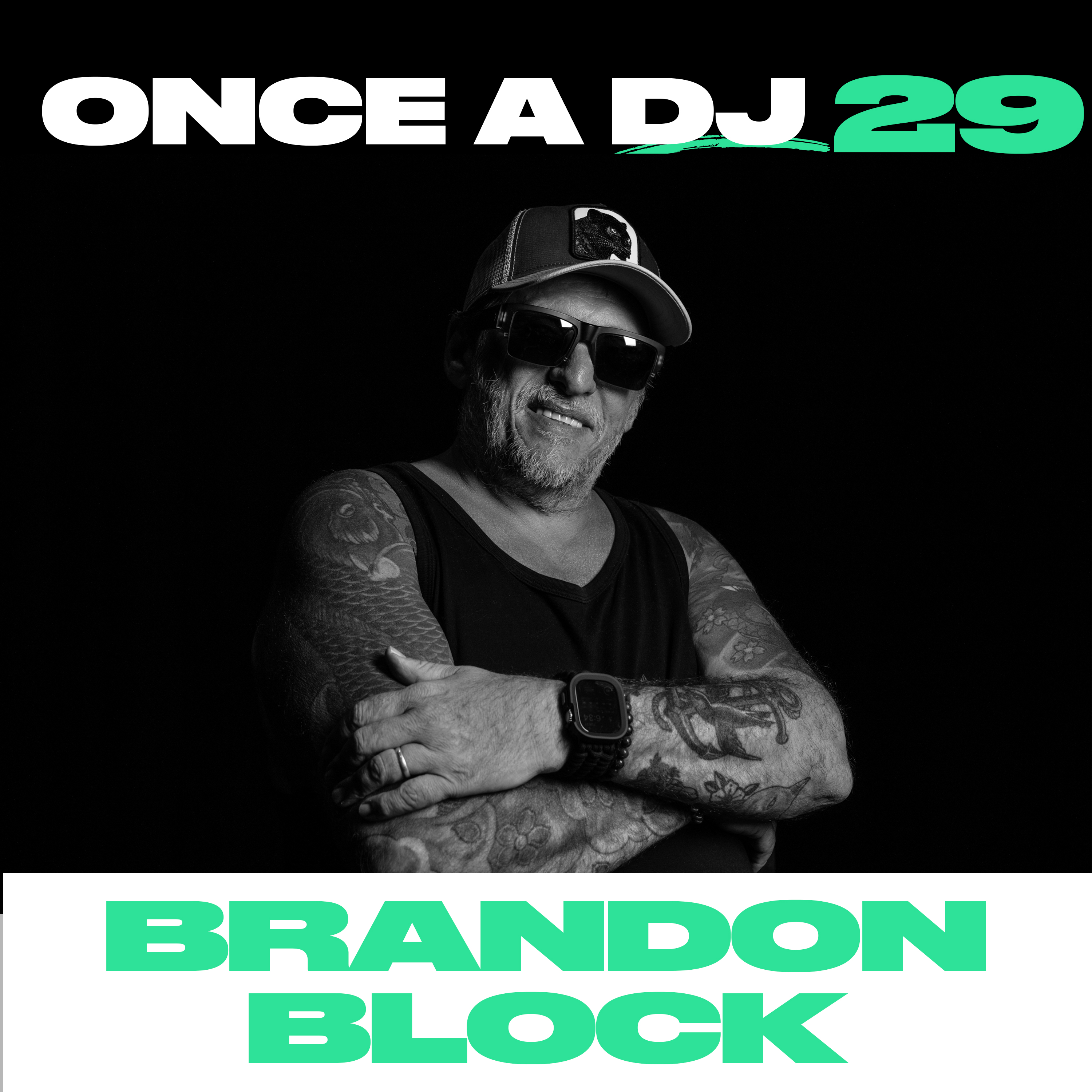
In this conversation, Brandon Block discusses his journey as a DJ, his struggles with addiction, and his path to recovery. He shares insights into the early days of DJing in Ibiza and the impact of fame and notoriety. Brandon also emphasizes the importance of self-care and the need to detox from technology. He highlights his work in mental health advocacy and the creation of support networks for those seeking help. In this conversation, Brandon shares his journey of personal growth and how it led him to help others. The importance of mental health and self-awareness is discussed, highlighting the need to prioritize our well-being. Finding balance in life and setting authentic goals are emphasized as key factors in achieving personal fulfillment. The conversation also touches on the power of DJing and meditation in promoting self-discovery and presence.
Transcript
Hey, thanks for tuning in to the show.
This episode gets into a lot of stuff about mental health, wellness, self care and more.
I sometimes get labelled as a bit of a Grinch from my views on Christmas.
But as much as it’s loaded with excitement and good times for many, I’m always aware that it’s a really lonely time for others.
I know you hear this pretty much everywhere these days, but it’s super important to reach out to people if you’re struggling mentally or emotionally.
If there’s people in your life you feel like you can talk to, then please do.
But if not, there are organisations like Samaritans, Mind and another place that Brandon mentioned which I wasn’t aware of, is the Hub of Hope and they’re all a quick Google away.
I hope you enjoy this conversation with one of the UK’s biggest DJs of the superstar era.
Someone who’s done way too much for us to list it all and nowadays gives a lot of time back to helping others.
Mr. Brandon Block.
Let’s go.
Brandon Block, thanks for coming on the podcast.
How are you doing today?
Brandon Block:Pleasure.
Nice to see you.
Sorry it’s taken so long to get this little get together going, but we got, we got there at the end.
Adam Gow:That’s fine, mate.
You’re Brandon Block.
You’re far busier than I am actually, mate.
Brandon Block:I’m probably not at the moment, which is nice, but I get what you’re saying.
Yes, but no, I’m not.
Adam Gow:You’ve just come back from doing a retreat, haven’t you?
Brandon Block:Well, yeah, yeah, we did that.
That was in October.
One of the most profound, incredible experiences.
Although I was running it, I also myself had a.
A moment, let’s say, of, how would I say it, an emotional awakening, a journey happened with while I doing a breathing exercise, which, you know, I’ve had experiences before of transcending sort of thing or being in the moment.
And this was quite a profound experience, you know, might be in.
It’s very rare that you can.
I mean it’s not now.
A lot of people got a lot of skills around getting into the present moment and being, you know, thinking about what’s happening or thinking about what’s going to happen or thinking about stuff in the past, being in that moment, being clear of anxiety and fear and stress, whatever you want to call it, adrenaline, any of the hormones that, you know, you release with day to day life and just being you is very rare.
Very rare.
But, you know, great experience to retreat.
All the lads had a fantastic time, all had Incredible emotional breakthroughs, spiritual breakthroughs, really, like, you know, a lot of people who’ve never done something like that before.
Sharing, openly sharing trauma that you just thought, wow, I never would have thought this person, you know, you know, we all beg judgment to.
Based on what we think we know or based on what we see or what we hear.
And yet the truth of the matter is that we all have stuff that has happened to us in our past, all of us, you know, 100%.
It’s never been, you know, no one’s past has been ideally perfect.
I just won’t believe anyone who says that.
So, you know, and, and how we deal with those traumas moving forward is, you know, tough.
I mean, look, the good thing about nowadays is in the modern world, although there’s a lot of things I don’t like, there’s a lot of things that are good, like the, the available availability of information, I. E. This sort of stuff.
Mental well being, you know, physical well being, emotional well being, all these, you know, these coaches, practitioners, whatever.
A lot of people out have this human condition awakening, you know.
But for me, I like to help people just because I like to help people have been through, you know, I don’t, I don’t like charging for it.
I think it’s, you know, it becomes, it doesn’t sit with my ethics, let’s say.
Adam Gow:Now, I, I think that’s really interesting because I was having a similar conversation with the hypnotherapist earlier today who was saying the same thing.
And my kind of counterpoint to that was where you run a risk with that is that I think you’ll probably be someone who thinks that time is more valuable than money, I would guess.
Brandon.
Brandon, can you give me an hour of your time?
Or Brandon, can you give me.
Yeah, but 20 quid?
Brandon Block:No, but, yeah, yes.
Okay.
I would probably feel better doing an hour of my time as opposed to.
Yeah, I don’t mind that.
So at 20 quid, that’s not the issue.
It’s not about the money.
It’s about the.
Adam Gow:I think what, what, what I’m trying to say though is that I think if you don’t charge, what there’s a slight danger of is that other people might not appreciate your time.
Brandon Block:I get all that.
I get that.
I get the accountability.
And if you don’t charge, I mean, look, I’ve got a friend who’s been coaching me with my diet and my sort of gym workout, but he lives in Switzerland and he’s one of the old Dreamboys and I met him in Ibiza 30 years ago and we had a bit of a session.
We’ve been friends ever since, but we never saw each other.
All of a sudden, funny enough, he’s from like Birmingham area, Leicester.
I was in my local petrol garage where I lived in northwest London, and there he is filling up his car.
Turns out he moved in around the corner, but, you know, he lives in Switzerland, Sweden now, so I don’t see him.
But he’s been coaching me online as a keto trainer.
He’s 55 and he’s ripped like you’ve never 2% body fat.
He’s been doing it for years, but I said, well, I’m finally ready to take the plunge and have a go with you coaching me.
He said, I’ve got to charge you because you won’t, you won’t.
I’d be accountable if I don’t.
It’ll be like, well, I’m not paying for it, so I’ll just take it or leave it.
And you know, I’ve.
I’ve stuck to the program for three months.
I’ve lost 10 kilos.
I’m putting more weight on without doing weight training.
Yeah, I feel wholeheartedly better.
It’s an achievement, another goal.
So I suppose achieve something I wanted to do.
I’ve procrastinated about using weight for a long time, but more recently it just got painful again because I’ve got a bad hip and you know, I went up to 95 kilos.
For me is.
It’s a heavy weight.
Yeah, it’s a lot of weight around my stomach and you know, so I’ve lost 10 kilos, which is two stone.
It’s not coming off as quick now.
And like most humans, we want it to happen now.
You know, instant gratification is always the key, which is why we go to substances and stuff, which is.
Works quickly.
Yeah.
Anyway, I’m digressing a bit.
I get what you’re saying just for me that, well, I got my help, let’s say for free back in the day.
And I look, I think that’s not totally true.
I do, I. I ask for a token now.
Adam Gow:Yeah.
Brandon Block:I say, look, I need, you know, you pay for me 10 sessions or whatever.
Obviously the first one, I will.
We’ll have an assessment, see if you want to work together, see if there’s anything.
I mean, generally what happens is, and I found it recently, is that I’ve said to a friend of mine who contacted me about, you know, drugs, drink, whatever, whatever else it is their thinking Changes, behavior changes.
I said, look, we’ll have a chat, I’ll give you some pointers, tell me if it works, if it doesn’t, and.
And then you can sign up if you want.
10 Sessions, five sessions, whatever it is.
And invariably what’s happened is they’ve.
They’ve said, oh, I’ve had a great week, I’ve had nothing, I’m all right, blah, blah, blah.
And I guarantee you in a month’s time, they’ll be back going, who?
Adam Gow:Yeah.
oks like for Brandon Block in:If people are familiar with the sort of mid-90s, let’s say, version of you, for lack of a better word, it might be a little bit confusing to them.
So let’s go to the start of your story, if we can, and just kind of look at what your arc is and what’s brought you to where you are today, if that’s cool.
Brandon Block:Absolutely, mate.
Adam Gow:Let’s start with DJing, then.
Okay, so I’ve read a bit, and as I mentioned before, I don’t want to labor on this.
You know, you’ve got your book out.
There’s a load of information about it, but it’d be really nice to go in on some key sort of touch points.
Brandon Block:So the book came out in:It’s quite old now, and none of this stuff I’ve just talked about is in there.
Adam Gow:Yeah.
Brandon Block:Which I’m considering writing some extra chapters or a new, smaller version with a new title called In Between the Lines, because the first one was called The Life and Lines of Brandon Block, which was quite apt at the time.
Well, not at the time, but it was quite apt, what I was describing.
Yeah.
So my book came out:Again, it’s a.
It’s a sort of diary of clubland and my behaviors back then.
So for those who don’t know, I was very fortunate to be.
I’ve always been a dj, I think before Acid House, let’s say it was.
Adam Gow:Rare groove, wasn’t it?
Brandon Block:Where?
Groove, soul, funk, hip hop.
I’ll do a lot of those soul parties again now, which I love, you know, local disco.
My best mate, Ali, we were, you know, we were partners in the dj, we bought our beer kit, we traveled London doing various gigs everywhere.
Pretty much like much of the other DJs back in the day.
No Technics because they weren’t around then.
As soon as they come, though, we got them.
And, you know, I suppose progression, that progression from Pubs to nightclubs, nightclubs to, you know.
Adam Gow:And you promoted, didn’t you, in the early days?
I’ve got, Let me just consult my notes.
Brandon Block:Well, I mean, I, I, I wouldn’t say we were promoters as such.
Well, maybe we, we had, well, actually tell a lie.
I was part of opening the Flying Records, which was Charlie Chester, for those of you know.
Flying was a very big record label back in the day.
Also club night, which myself, Dean Thatcher, another great soul, Northern Soul DJ started.
We did promote a couple of nights.
Myself and Dean went to another Sunday afternoon session called Thirst, that was at Haven Stables in Ealing.
I also went to print out a Sunday night, very famous Sunday night in London called FUBAR, which obviously means up beyond all recognition, which we mostly were at that time with my very good friend Lisa Loud, we promoted that club there, which became very popular.
We took queues down the road every Sunday night.
Basically that was like the continuation of the week or the weekend, let’s say, and then the start of the next week.
So, yes, promoted.
went to Ibiza in that time in:We’d met, I’d met Alex like a couple of years previous.
We’d played together, we, you know, we got, we hit it off.
We didn’t see each other a lot after that until I went to Ibiza and I got a message through various channels saying, Alex is here on the island somewhere, spending spending time at the pleasure of the Guardia Civil.
I think it was, say, can you meet him at Space tomorrow morning?
Or whatever it was.
He wants you to come and DJ with him at his club.
And I went, yeah.
So that actually there was a night that it ensued before that which was a bit involved, and Alex had actually nicked a bus full of passengers to drive to drive home from Pacha because he lost his lift or couldn’t find the cab.
So he jumped on the passenger bus and drove it full of people.
Obviously not stopping at any of the stops, you know, that you could picture that.
You know, people’s eyes flick past the train station when you’re going really fast, yeah, trying to catch.
That’s them looking for their stops, ringing the bell, going, oh, he missed my stop.
On the back of that, he got arrested and sort of turned up in my place first thing in the morning, worse for wear, swearing and shouting, and then said, I’ll meet you at Space tomorrow.
Disappeared again.
So that morning, the next morning, after a great night out.
We went to Space, took all my records and as far as that goes, that was the first day I DJed the space with Alex.
And that was the first day I got.
Literally got Pepe Roselló, the owner, said, right, I’m going to put you on the.
I’m going to employ you now and put you on the books.
Adam Gow:So when was that?
90.
Brandon Block:91.
Adam Gow:So you were.
You were there early then, really, in terms of the.
Brandon Block:Yeah, yeah, yeah, yeah.
I went in:He then took back a lot of DJs, Primal Scream and blah, blah, blah, and then missed out on going back with him because for some reason.
Anyway, that worked.
That’s another story.
But yeah, and then went back with Alex and, you know, the rest is history.
About the Space Terrace.
It was.
Adam Gow:Was there a lot of other DJs from the London scene then going over or just you guys?
Brandon Block:Well, no, at that particular time, obviously there had been, you know, Danny Rampling and Paul Oakenfold, Trevor Fung, Johnny Rookie, Johnny Walker and Nicky Holloway had been in 87.
86.
87.
Nancy Noise.
And they brought that back, that sound, the Balearic sound, with the club Spectrum, the Trip at the Astoria, which is Nicky’s club.
And then there was Spectrum with Trevor Fung, Colin, Paul Oakenfold.
And then obviously Danny started Shoom and these all clubs at the back of that sort of Ibiza experience, let’s say.
But then myself, I moved out there for that year and I beat 91.
I went for the whole summer, but there was no one else DJing out there as such from the club scene at, say, in London, Myself and Alex.
There was CJ’s who were obviously doing the local bars.
And it worked clubs.
It wasn’t the club stuff.
Adam Gow:Yeah.
Brandon Block:So basically me and Alex were playing in Space, but then on top of that, we was getting asked by all the other clubs because Space was so successful.
Every other club, Amnesia, we played Amnesia residency there on a Tuesday, we had a residency at Es Paradis and the residency at Space, obviously had a residency at Pacha.
Monday nights at the residency at Ku on a Thursday night.
So we was doing every night of the week, basically.
And that led to partying hard.
Adam Gow:How old would you have been at this time then?
Brandon Block:Do you know what?
I can’t even work it out.
20.
So six.
26.
Is that all right?
26.
Adam Gow:Because you got to have some energy to party like that.
Brandon Block:24.
Adam Gow:So basically you were young enough to have the energy to do that.
Brandon Block:Oh yeah.
Adam Gow:Was it all.
Was it all like acid house and stuff you were playing, or was the scope to play soul and funk and stuff like that?
Brandon Block:Well, no, back then, obviously we would play more acid house, but then in Space, we played sort of a bit of everything really.
It was very eclectic.
It was a bit like the.
How I suppose you could call it the Balearic sound.
We chapped cross section records, but because of Space being such a multicultural, incredible club, we used to meet DJs from.
And.
And it was very soon after Space was done, but all the DJs from the rest of the world came.
We had DJs from Germany, Belgium, from France, from Italy.
And they were all big communities there at that time, but, you know, in their own little.
Right.
So they all had an experience of like club land at that time.
And so fortunately we got to meet all these wonderful people, these great DJs always fantastic.
Different types of music which was coming in.
They were all making their own versions of sort of like house music.
So the Germans were very into like their new.
But Belgium was like new beat.
Also the mainland Spanish had a sound called Bacalao, which is Belet, which is really tough house.
Like techno.
Old days, the.
The Italians were big into their disco cycle tracks, you know, the Germans were into their sort of techno techno.
So I suppose early days of trance and techno, it wasn’t so noisy, but it was really cool.
Obviously the Americans were into their deep house and acid house.
So there was all this wonderful music, all these wonderful people.
We met every one of them and we had.
We made friends with every one of them, you know, and they all.
You asked to come and play on the Space Terrace.
So we used to let.
Come on DJ Sasha, Digweed Marali, all early days, but I meant just to mention a few.
But there was so many more.
Mark Spoon from Jam & Spoon West.
Bam.
God, so many German.
Dorian Gray.
There’s Dorian Gray always in the club in Germany.
Loads, loads and loads of DJs.
All different places in Europe.
You know, Chico Seci,.
Adam Gow:Obviously.
Brandon Block:Daniele Davoli from Black Box used to come and play.
He used to play a lot.
There was always.
It was very fortunate, very lovely days.
Adam Gow:Yeah.
So you were like really, really ingrained at kind of the dawn of the superstar DJ then, right?
Brandon Block:Yeah.
And you know what?
You’re not so many people say that.
Suppose.
Yes.
I never thought of it like that, but I suppose, yes, we were.
That DJ became a really big part of life soon after.
I think it was to think the impact of the Clubbing days that everyone had.
That whole clubbing thing was so well thought of at the time that the DJs playing the music were like, I suppose we became famous.
I suppose superstar DJs were what we are.
Yeah, yeah.
Adam Gow:So when you came back to.
Did you come straight back to England after that summer then?
Brandon Block:I came back to England every summer, every winter from sort of October to as soon as I can get out to Ibiza again.
But by this time, what had also happened with my success as a dj, as my drug habit had got into Realm jumps ridiculousness.
And obviously the constant partying and the constant out being out and constant, you know, hedonism, music, clubbing, whatever, it’s taking its toll because not only was you just parting all through summer, parting all through winter as well, because obviously club scene had just taken off like a spread like wildfire, you know, around the world.
Every night was a club night.
You know, I remember at 88, going out every night of the week.
Adam Gow:Yeah.
Brandon Block:Very small clubs.
And it carried on like that for since I can remember.
And then, you know, my habit spiraled into the realms of unwellness and just stupidity, really.
Adam Gow:Did you.
Did you see that happening at the time?
Was it something where you’re like, I know this is getting worse, or are you just totally oblivious?
Brandon Block:There was a moment and I thought, I know I. I know I have a problem now.
I know I can’t stop this on my own, but I’m not ready to stop.
And in all I was there, my thinking was, if I keel over doing this, then I’m all right doing it.
I was ready to go because I obviously was known to me now is I have a lot of underlying trauma which I attribute to that attitude of, well, look, you know, if I.
If I die, I die.
I’m not bothered type thing.
But obviously I was bothered because, you know, I was very ill.
I had many illnesses at that time which had cooked through my, you know, my party, let’s say,.
Adam Gow:And.
Brandon Block:I wasn’t dying quick enough.
I was in too much pain daily.
And.
And the drugs were masking the pain anymore.
Doesn’t matter how much I took.
I was taking obscene amounts of drugs.
And it still wasn’t masking the pain because I was so ill physically.
Adam Gow:Were there people around you that were trying to kind of help you, help you clean up and control, or were you around people that were.
Brandon Block:Yeah, but don’t forget that you’re asking.
Be back cleaning up.
This is:This is not a time where people knew about stuff like that.
This is.
That people weren’t aware of it.
People were, you know, if you said drug addiction, they’d go, what’s that?
You know, like, we wear that.
It’s only when you go to an AA or a CA.
Me.
And you know about addicts, let’s say it’s an old word and a great label I don’t like, but, you know, that whole sort of stigmatized, private, or don’t say anything environment is where you end up.
But that’s the only place available to you.
No other.
Whereas now we have many models of getting better, many models of thinking, of discovering how our brain works, how our.
How to manage trauma, how to deal with trauma, therapies, you know, therapists by the dozen who are all great doing that work.
And, you know, slowly, humanity is starting to realize that we need connectivity.
We can get help from our fellow human and we can get the support we need because, you know, some.
One nugget of information from someone could be that key to changing your.
Your way of thinking or your, you know, your neural pathway that you need to do.
Adam Gow:So what.
What was the thing that kind of.
The straw that broke the camel’s back.
What was it that made you seriously be like, right, I’ve got to do this now.
Brandon Block:I. I couldn’t take any more.
I couldn’t do any more drugs.
I was sitting in a hospital asking for painkillers and, you know, diazepams, Hypnos and everything to make me go sleep or to wake me up or to, you know, anything I keep my hands on.
And I. I just realized I couldn’t take them off.
Body said to me, I can’t take more.
My brain said to me, I can’t take anymore.
Adam Gow:Had you been able to keep DJing up until this point?
Were you?
Because.
Because sometimes with people, they can kind of just keep riding the wave.
Brandon Block:Oh, no, look, I was.
I was a functioning.
Whatever you want to call it.
I could.
Adam Gow:Yeah.
Brandon Block:What I’d done is stopped going to gigs because I couldn’t be bothered, right?
I prefer to.
I prefer to stay in my local pub with the lads and get smashed and then just carry on getting smashed without having to travel three or four hours up the road or, you know, do three or four gigs of event at night, which was tiring because my body was.
I was beginning to get tired now.
So I was like, it’d be cheaper for me to stay here and do.
Instead of going up the road and having to spend all that money I’m gonna earn on gear by Staying awake and by going to these places.
So I, I ended up canceling lots of gigs which wasn’t great but for me at the time that’s where I was, that’s where I was at.
So in a way, I don’t know, I was minimum.
Maybe I was minimizing my own sort of harm.
Minimization in a way, yeah.
God.
Quite a mad place to be, mate.
Adam Gow:So what, what was your process then of kind of self care and getting better?
Brandon Block:Look, I’m always very grateful for that moment of clarity because if I didn’t have that moment of clarity I wouldn’t be here today.
Right.
I know that I’m quite, yeah, I’m quite, you know, aware of that, that that’s the case.
So I supposely I was, I was only able to give myself self care after I’d started dealing with the, the, the, the self loathing or the self despair let’s say.
Because you don’t, you don’t listen.
That’s one way of not taking care of yourself, right?
Taking loads of drugs and drinking or whatever.
There’s loads of other ways not taking care of yourself.
The way we eat, the way we don’t exercise, the way we, the way we think, the way we stress, the way we, you know, we buy into with, you know, could we make ourselves ill without stress?
Anyway, we know that, yeah.
And what we take in, information wise, what we absorb, all can be contributed to that.
You know, when we’re, we’re, we’re humans so we like to experience stuff that makes us feel good even for a short space of time because we’re generally tuned into feeling bad on the whole.
And I mean I’m generalizing, I shouldn’t but we kept to the level of sort of just below massive stress by what we read to the papers, what we look to the news life throws at us, we generally function in a little bit of stress.
Does that make sense?
We need a bit of stress to wake up in the morning, a bit of adrenaline to get us out of bed.
But what we do is we generally pick our phones up and then we level out our stress.
We release cortisol straight away because we’ve eaten all.
And then as opposed to saying what do we get to do tomorrow?
We go, what have I got to do today?
You know what we’ve got to do today.
It says what do I get to do today?
So it’s about the legacy use, it’s about information.
We sped.
But for me the self care thing was just stopping doing what I was Doing for that time.
For that time.
For me, that was my self care.
Just getting my sitting with my head sitting my anxiety, my, my fear and my stress and my rewiring my brain after I put so much gear in it.
I’m lucky to be anywhere near sanity as it is.
So my self care, which is not putting myself in those environments, but I did.
DJ carried on.
I didn’t stop DJ and I didn’t stop seeing my mates and didn’t stop all the other stuff.
I just.
I white knuckled it, I suppose, in a way.
Adam Gow:Did you?
Did you have.
Because you did.
Because in my notes I’ve got that you went into Capio Nightingale Hospital.
Brandon Block:Yes.
Adam Gow:So did you have kind of accountability partners and things that helped you through that time or anything?
Brandon Block:Not really.
I mean, there was aftercare groups, there was support networks in.
Within that environment.
I was told to go to 12 step fellowship meetings, which I did for a while.
Cat.
I had a sponsor who relapsed not long after I was with him and, you know, went on a bad one again.
Now that’s, you know, I never did that, you see.
I never relapsed.
I went, I was adamant and my decision was so final, there was no danger of happening.
But I’m in this support network.
I’ll tell you who my mentor is to this day.
And he was my psychiatrist at that time.
He was the consultant psychiatrist to Westminster and Chelsea and also to the Capio Nightingale, which was like the first real mental hospital for dealing with addictive behaviors in London.
His name’s Dr. William Shanahan.
He’s now the consultant head psychiatrist the whole Priory group.
Wow.
And he’s now my.
He’s still my mentor to this day.
So he speaks to me for free whenever I need to speak to him.
Because he said, you’re my star pupil, you always have been.
You took so much gear.
I never knew how.
I never knew how you survived what you did.
And yet you’re here to this day.
He’s quoted in my book, and yeah, you’re here to this day.
You help your people.
So he refers people to me who he can’t help in the hospital, maybe, or he thinks maybe do some, do some help outside of that environment.
Adam Gow:So in the late 90s, then, when you were going through this, this kind of experience, would you ever talk to people about kind of getting therapy and things?
Because it’s even up until like a couple of years ago, if you’d say to someone, I’m having therapy, they just go, why do you need that.
What’s that all about?
Brandon Block:I never spoke to anyone really about that stuff back then.
Not in those.
In the 90s was sort of a.
It was just so unknown about and.
And not, you know, you know, what, what is this?
You can’t even start me to explain this stuff.
It was only like the:I struggle with food a bit.
I mean now I have the tools and many, many of them to be able to, you know, be aware of anything that goes on like that.
But yeah, back then I would see my therapist, my.
My psychiatrist.
I’d see him once every.
However it was every six months or so.
But he was really my only sort of regular therapy.
I’ve been, you know, I’ve spoken to people intermittently before but never had a proper.
I’ve never felt.
I don’t know what it is.
He’s probably, I think because he had.
I don’t know what it is.
He.
He was my.
How do you say, he’s my higher power in a way, I suppose, whatever explanation.
Not that I into that necessarily.
I mean we all have our high power.
I think our high powers or whatever helps us, you know, get through whatever they are.
He seems, I suppose he’s my high power and you know, I still speak to him.
So it wasn’t too.
, it wasn’t until late in the:Adam Gow:Yeah, I mean it must have been mad that the sort of late 90s, like your kind of level of fame and kind of being in the tabloids and things like that.
It must have been really hard to.
To try and rationalize what you’ve been going through whilst you’ve got that kind of.
Brandon Block:You’ve.
Adam Gow:You’ve got a lot more noise than most of us at that time.
Brandon Block:Yeah, I mean, but you see that was that all that stuff happened after I’d stopped taking drugs.
Yeah, all that sort of fame and I suppose success and you know, as you say, the tabloids and you know, I had a Mary column in the Daily Star.
I had MTV.
I was doing TV shows left, right and center, all those.
I love the 80s shows, I love the 90s shows.
I.
My own TV on a satellite Channel called Blockhouse Brits on the back of the Brit Awards obviously.
So yeah, I mean Top of the Pops had a hit record.
I mean more notoriety and fame came from all that stuff.
Adam Gow:Yeah.
Brandon Block:So.
And, and it was never a concern that I would ever go back to the lifestyle ever.
I never, ever thought that.
I never knew, I knew that would never happen.
So I suppose very grateful for that, that, that wonderful part of life, you know, to be A lot of some people go well wish an aspiration but you know to have that fall into your laptops and when I wasn’t actually aiming for any of that, that wasn’t any of my goals in life to be on TV or.
But you know, I’ve done that.
I’ve had the experience of everything.
I’ve been very fortunate I suppose you know to say I’ve been on tv, I’ve been on, I’ve been on Celebrity Big Brother, I went on other reality shows back in the day.
Adam Gow:Yeah, I mean you’ve hit on a couple of things that I did want to ask about.
So obviously like the Brits is a thing.
I was wondering with that if there was, if there was, if that had kind of any advantages.
Brandon Block:Well, I mean someone said to me after that you’re a household housewives favorite now.
Yeah, I mean Brit is 20, 20, 23 years ago now, mate.
I’ve been spoken about it so many times.
It’s just a moment in notoriety let’s say which you know, I’m sort of known for a little bit.
So it doesn’t surprise me back then it is quite funny and looking back on it and looking back on it, it is very funny and you know the fact that it took me about one minute to make the decision whether I was going to collect this made up award, you know, spontaneity, great fun.
But yeah, as you say, incredible.
Adam Gow:And the other thing that I noticed that I found really interesting was something that mentioned about part of the reason for wanting to go into Big Brother being to get away from your phone.
I said that I read something around that.
Yeah.
Saying that you kind of wanted a detox from your phone effectively because you’re quite organized, aren’t you with when you check your emails and stuff like that.
Brandon Block:Now I, you know what, I put down my emails because it kept me, it keeps what the idea was that people go, oh, if they read all the way down, go right, I’ll only send email.
Because I found that we are all consumed by technology.
Right.
And unfortunately this is, it’s not great, right.
It’s changed us.
It’s changed our mindsets forever, never to go back.
So I think what we’ve got is be mindful of how much we use it and how often we’re on it.
Because without knowing, you get into that, you know, the rabbit hole, or, you know, you’re.
You’re.
You’re firing neurons all the time.
And what that does is just gives you a brain get.
Take you into burnout and people aren’t aware of it.
People are just, you know, constantly.
I’ll wear my phone, my phone.
I need my phone to get.
And I just find it.
I found it.
Back then, the technology was getting really, you know, very, very fast moving and, you know, like things like YouTube and all that sort of thing.
It basically has given people one of the most vital human needs.
A need for significance.
Yeah, right.
So I think back in the day, people had.
Certain people had to have a voice because people were leaders.
People.
Certain people were leaders.
People had to.
Had something to say.
Whereas now anyone can say anything, right?
And they can.
And the thing I find difficult is the thing that people pick on people and they say the most horrible, deep, hurtful things which.
Which hurt.
You know, the power of words is.
Is unbelievable.
And how that’s worked out, how that’s become.
Because you’re not actually in pain, but it causes pain.
You say hurtful things to people, they get pain.
They get pain from it.
It can, you know, anxiety, fear, whatever it is.
So a sound that we make of our voices causes anxiety, pain and fear.
And this is where humanity’s gonna struggle moving forward a lot, I think.
You know, I mean, there’s a lot of awareness now and a lot of people aren’t buying into all that.
But, you know, it’s, It’s.
It’s a.
You know, unless you’re mindful about the time we spend on it, what we look at, we will get.
You know, and I was aware before.
Sorry, just.
I started to rabbit on a bit, Adam, but I was aware about this whole mental.
You’re right about Big Brother.
So maybe at that time I was aware of that stuff.
I knew that there was a imminent sort of worldwide mental health pandemic happening anyway because of.
Because of this.
Right.
I knew that and that’s why I. I started this group at the Ministry of Sound.
I started my own.
I sat with a friend of mine called Paul Byrne.
We started a group called Tuned Out at the Ministry of Sound, which is now bi.
Monthly.
We had guest speakers.
It’s a free group.
We are invite.
Lovely People to come out, share their stories of inspiration and stuff.
So at Docs Come and Spoke, we had last month we had Pat, Tony, got this one forgot Kevin Bishop, Barry Ashworth from the Dub Pistols.
I’ve had lots of people, music industry, Mr. C spoke, I’ve had Jumpin’ Jack Frost, many.
All these people on quests for, you know, bettering themselves will come and spoke.
So I realized I really, I was getting into that whole thing.
So I take first Facebook on my phone.
I’ll probably take Instagram off my phone.
The only thing I use it for sharing, start gigs and stuff like that.
Right.
And probably when my retreats go on, that sort of thing.
But generally I try not to get involved.
Immersed in too much of that.
I would check my emails once a day, twice a day.
Maybe I go on Instagram every couple of days, maybe to just have a look.
I suppose I mostly look at cat videos now and yeah, honestly, it’s true.
And you know, like that sort of nice things, The Dodo and all that.
So yeah, it’s about being mindful about your environment and what you’re subjecting yourself to.
Adam Gow:So can you just kind of talk us through your journey?
Because now, just to give a bit of context, you do a lot of work with people around coaching and you’ve done a load of qualifications over the years.
So how did you first start that?
What was it that made you think, I want to be there for people?
I wanna.
Because it’s not just like you’re mucking about doing this.
You’ve really, really gone in on it.
Brandon Block:I mean that I’m.
I’m attempted to.
I’m toying with the idea to do the counseling qualification now because I’ve done some of it already, but.
But you know, I’ve done a lot of other stuff which enables me, let’s say, to work with people on a certain level, which is enough, I think, for now.
I’m not as I look, I do work with people.
People often come to me and say, and I help them.
I don’t mind that.
round the late two, the early:People were asking me anyway back then, you know what, how can I do it?
How can I get off this and the other.
And I went to work for drug service because I thought, you know what?
I’m going to go volunteer somewhere.
Turns out my mate was running the place.
She said that by all means, come and volunteer.
Be lovely to have you.
I need to put you some training courses because you can’t just come in here and talk.
It’s not like that.
So I did my City and Guild in my NVQs, did my various cognitive behavioral workshops, various motivational interview workshops, you know, essays and stuff.
And you know, I’ve done.
More recently I worked for the Hepatitis C Trust, which is again another organization who help people recover from bloodborne viruses which generally transfer through sharing needles.
Did some training courses with them.
So yeah, constantly I’ve sort of put my.
I’ve calmed down a bit saying because it’s quite demanding, work can be quite emotionally draining.
So without getting the support behind you, if you’re going to do that work, you need to get some supervision.
You need to get someone on your side to be able to unload that stuff too.
Adam Gow:Yeah, so.
Brandon Block:So I generally help people in a different guid now I may open do my coaching package offering it again.
Again it’s like how do I feel about that?
I generally just don’t mind helping people with a bit of stuff.
If they want me to have a chat to.
I prefer to refer them on signpost and have a chat.
Say I could put you in touch with people who could help you, which I do and I’m happy doing that.
Adam Gow:But that’s a great thing to do because with your kind of profile, you know, just, just being able to make people aware that it’s okay and there’s people that you can talk to.
Is that because it’s.
I mean the thing is with self work, I don’t know if you’ll agree, but I feel I’ve done, I’ve done different bits of self work over the years and I think it’s really, really powerful.
And it’s just the start and it’s, that’s the hard thing.
Once, once you get that little start and you get a bit of benefit from it, then you can really kind of dive in and there’s, there’s so many ways you can approach it.
There’s coaching, there’s counseling, there’s, there’s just a load of books, there’s all sorts of things you can do, but it’s just, just having that impetus to actually be ready to look at yourself.
Because it’s scary.
Brandon Block:Of course it is.
You know what?
I spoke to someone earlier.
Funny.
Do you ask me that question or talk about that subject?
A friend who’s doing a level five counseling.
And I was saying, oh well, how good that level three and level four, the one to get you sort of qualified, you can go up to level counseling 5 which goes a bit more into, into the cognitive stuff.
But everyone says how mental health.
Well, look, it’s the last thing we look at.
It always has been.
And now it’s the first we need to look at because we can’t function without our minds working right.
Okay.
So you know, when people have illnesses, you have to have an empathy for them because you know, it’s tough.
And when your brain’s not working right, we don’t work right.
The autumn automic processes.
Autonomic processes which go about breathing, seeing all our senses all controlled by our brain, right?
Our feelings, our emotions, our physical, our mental well being.
If it’s all out of whack because I.
You can’t do anything you’re not able to.
This is why workplaces are suffering because of people being stressed out, being people overworked.
Too many, too many expectations, too many, you know, targets to reach which are unrealistic.
This whole thing, people don’t aware of that.
So you put demands on people instead of saying, right, let’s see what you’re able to do because, and you know, like, so if we don’t manage our own, as you say, expectations about our own self work, we’ll never get anywhere.
And you need to do some, you don’t need to.
Look, I dived in, I’ve dived out again.
I don’t, I, it’s, it’s called my, one of my therapists, I say, a friend of mine, she calls it paralysis analysis.
Paralysis?
Adam Gow:Yeah.
Brandon Block:So you can overdo it.
You get to a rabbit hole of, you know, all this reading, all this work.
You’ve got a little process, you’ve got it set into place and then you’ve got to decide what works for you because you could read and read and read and read.
It overwhelms me because I just go, Jesus.
You know, I like to, I like to sit down and go, right, let’s, let’s look at that and, and work on that.
It’s okay.
But for me, there’s a guy called Dr. Joe Dispenza and his stuff is incredible, right?
For me it made sense.
It was my sort of wow moment, if you get what I’m saying.
Why do I do this?
Why do I think about this?
Why do I have this, you know, tendency to nip into the old anxiety world?
And why do I still.
And I Heard him talking about, that’s me mate.
That’s what it is.
And that’s what helped me to realize that when I start thinking a certain way, I think, all right, I get it.
I know what’s happening.
I also developed an amazing skill and I don’t know, and I say it’s amazing because when I tell people, they go wow.
Of I could feel my thoughts, the process.
I could feel the thought, I could feel it go into my spinal cord.
I could feel it go down the back of my spine into my belly, emotional center.
And I could feel it went up in whatever form it was.
If it’s a negative or positive thought, I could feel that process.
So I know when I’m going to get an anxiety, an anxious thought or a negative thought.
And that’s like gold, really, because it gives me a chance to go, right, this is going to happen.
Or I could try and chase the talk before it goes all the way.
Or, you know, you have a.
An awareness type thing.
Yeah, yeah.
Adam Gow:And it’s kind of like it’s.
It’s about the search, isn’t it, and finding the thing that works for you?
Brandon Block:Yes, absolutely.
You have to.
But as you say, there’s so much out there, so much you can go and, you know, immerse yourself in, but find that stuff that works for you.
Don’t be thinking that you have to do so many things.
Just find what works for you because you will get overwhelmed.
It’s better to be underwhelmed and able to cope with it than being overwhelmed, thinking, oh, God, do it.
God, do it.
This is what we do.
Adam Gow:Yeah.
Brandon Block:It’s fairly unknown, taking too much on another, you know, you’ll know about that.
Adam Gow:Yeah.
And all of this stuff equates to physical, doesn’t it?
It’s like if you go, right, I need to lose weight.
So you start going to the gym seven days a week, you start getting a bad knee, you start getting a wonky hip, you’re getting burnout.
You could get in a bad, you know, doing things in a manageable way and then just having a week off.
Sometimes if it’s too much, it’s.
It’s all about this kind of balance.
Brandon Block:Absolutely.
Life balance, mate.
You’ve got it in a coin, in a phrase.
Adam Gow:Yeah, this.
Yeah.
This is all really interesting stuff.
Like, I love talking about things like this and this is why it’s great to get you on because you’ve kind of done this through your own journey.
Brandon Block:Thanks, Mob.
Adam Gow:So what does kind of like the week to week life look like at the moment, because you’re doing the Me Soul shows, aren’t you?
Brandon Block:My soul.
Adam Gow:My soul.
Beg your pardon?
Brandon Block:Yeah, it’s very balanced at the moment.
I do my gym three times a week.
I do other days where I go dipping in the cold sea with my mates.
We do that early morning.
I get a chance to do most of my stuff in a day.
I could do podcasts with people.
It’s getting more manageable, as you say.
And you know, in the winter, I don’t like going out so much.
Don’t mind doing the cold dip in the morning.
They get home, put the fire on, warm up.
It’s fairly manageable.
And you know, touchwood.
I can still DJ once, once at the weekend, but it gives me time to look at the other stuff I want to do again, like the coaching and writing the program.
But again, I’ve taken some downtime, Adam, in the last few months just to.
Just to get myself into a place where I want to find my passion again.
Adam Gow:It’s a great thing to do.
Like, I’ve spoke to people on this and you know, you get.
I was saying to someone about, like, Eric Clapton won’t play guitar for six months or that’s maybe a quote from 10, 15, 20 years ago.
And it’s like, you don’t have to do everything all the time.
Sometimes taking a step back and working out.
It’s like we.
Goal setting, isn’t it?
Like, I did a bit, I did some goal setting exercises at one point and I had a good friend of mine who was kind of helping me through all this.
And, and it was about like saying you want to do something, but, like, is the reason you want to do it true?
Like, do you know yourself, you being honest with yourself that you want to do this for things, this reason?
Because if you can be absolutely true with yourself about who you are, which is another thing we don’t always do because we think we’re someone or we think we should be someone when we’re actually someone else.
And if you can get into that and find the right sort of thing that you want to achieve at the right time for the right reason, then that’s when these things are a lot easier to do.
Brandon Block:Well, I’m a goal mapping practitioner.
Don’t you know, so goal mapping is the best goal setting model I’ve ever seen.
And it’s not just about.
See, smart goals are orders, right?
They’re like demands.
They’re like saying, so, right, you must do this by this certain time in a realistic Achievable time frame.
There’s no passion in it.
And what you’re saying is you’ve got to find your passion.
My passion.
So are the goals you are trying to achieve and they got the right reasons, are they valuable?
Are they, are you passionate about them?
Do they have meaning for you or are you just doing them?
So this is what goal mapping allowed you to find out and it’s a great model and you’re right, you can’t set goals and you can’t set goals from a negative place anyway.
When you’re on the back foot of trying to, you know, motivate yourself in dirt situations, you start trying to set goals, you’ll never achieve it because you won’t be motivated, you won’t be weight or you set the goals, the mini goals, be able to get yourself into that place where you can achieve the bigger ones.
But yeah, right, I think it’s about finding your passion downtime, not overwhelming yourself.
Give yourself.
If you’re unable to do that, obviously it’s not always a luxury that people can do, but if you can take some time from chasing the goals, sit down and say, what, what matters to me, what really, really matters to me and am I achieving these goals for the right reasons?
You’re right.
And then if you say to yourself, yes, then you carry on.
If you say to sell, not really.
As you say, the reason we feel like we’re over people, because we look in comparisons all day long, 100% all day long.
You comparing yourself to others, you’re not that, that all that wonderful saying authentic self.
How’s that even possible when you’re looking at, as far as be someone else every moment of the day.
You’re never your authentic self unless you put that down and then you say, I’m going to do what I’m going to do and I do it for me and I do it for no one else and I’ll do it whether it, whether it’s good, bad or indifferent.
But the longer, the sooner you let go of those comparisons and expectations and live where you want to live, then it’s very difficult, don’t get me wrong.
But if you could do that, then you’ve achieved some sort of authenticity.
Adam Gow:Yeah, amazing.
Right, mate, I’m gonna let you go now.
That’s been absolutely fascinating.
Really, really good fun and I hope you’ve enjoyed it as well.
Brandon Block:I always love talking about this stuff and you know, like minded people is always wonderful because there’s always stuff that you.
I was quite impressed by your knowledge as well, mate, and the fact that you’ve been on a journey and it’s nice to hear that sort of stuff.
Obviously the questions you asked me made sense and it wasn’t just about, oh, I took so much cocaine I could hardly stand up.
So all good.
Adam Gow:Yeah, yeah, I appreciate that.
I want it to be a different experience from the obvious because.
Because it is about for me with DJing, it creates so many opportunities.
It helps us with.
With a lot of things.
Because for me, it was like, when my son got to two, I just kind of like felt a little bit lost.
I was like, well, who am I?
What am I?
And that, you know, I’ve had got so much positive experience and good friends and things from dj, and I was like, I need to kind of get into that a bit again if I can.
So doing this whole podcast is part of that.
It’s sharing this experience and understanding what boxes it’s ticked for different people and.
And things like that.
So, yeah, always, always love talk about these sorts of things myself.
Brandon Block:Absolutely, mate.
Adam Gow:Yeah.
And you know what you were saying at the start as well, about meditating, about the breath?
Brandon Block:Yeah, yeah.
Adam Gow:Like, I used to meditate a lot and I say a lot.
You know, I used to meditate daily and in probably a couple of years, there was maybe only two times where I felt that utter presence.
Brandon Block:Yes.
Adam Gow:But wow, when you do it, it’s absolutely incredible.
Brandon Block:I’ve only had it a couple of times in my life, really, and that was one of them.
In our beef up and had the whole spiritual guide thing and everything come and take me up to the mountain and Indian chief and, you know, my inner child.
My child came together with me as an adult and my father was there.
Unbelievable.
Adam Gow:Amazing.
Brandon Block:And, you know, walking to top of this mountain with.
Holding each other’s hands and then getting there and dancing around the fire and stars and moons and.
Bloody hell, mate.
The tribe come together type thing, you know?
Adam Gow:Yeah.
Brandon Block:But as you say, it’s.
Those moments are very rare, but if you can get them, then, you know, it’s doable.
Adam Gow:Yeah, amazing.
Well, yeah, I’ll let you get going, mate, and.
And I’ll speak to you soon.
Brandon Block:All right, listen, you take care, mate.
It’s lovely.
So let me know when you’re going to put it.