
Paths of Rhythm is brought to you with support from vinylunderground.co.uk – take 10% off your next order with the code POR10 and free UK shipping on orders over £100
Paths of Rhythm is a Remote-CTRL production. If you’re looking for audio or video production, then check out https://remote-ctrl.co.uk to see how they can help.
Other ways to support the show
- Follow the show on Spotify or Apple Podcasts
- Any feedback or questions? Hit up https://www.instagram.com/pathsofrhythmpodcast/
Baby People: https://www.babypeople.co.uk/
Easy Peas Running Club: https://www.justgiving.com/crowdfunding/Eazy-peas-e?utm_term=ngEw2mrJJ
The System Don’t Work (Record Label): https://www.instagram.com/thesystemdontwork/
Baby J on Insta: https://www.instagram.com/babyjbiz/
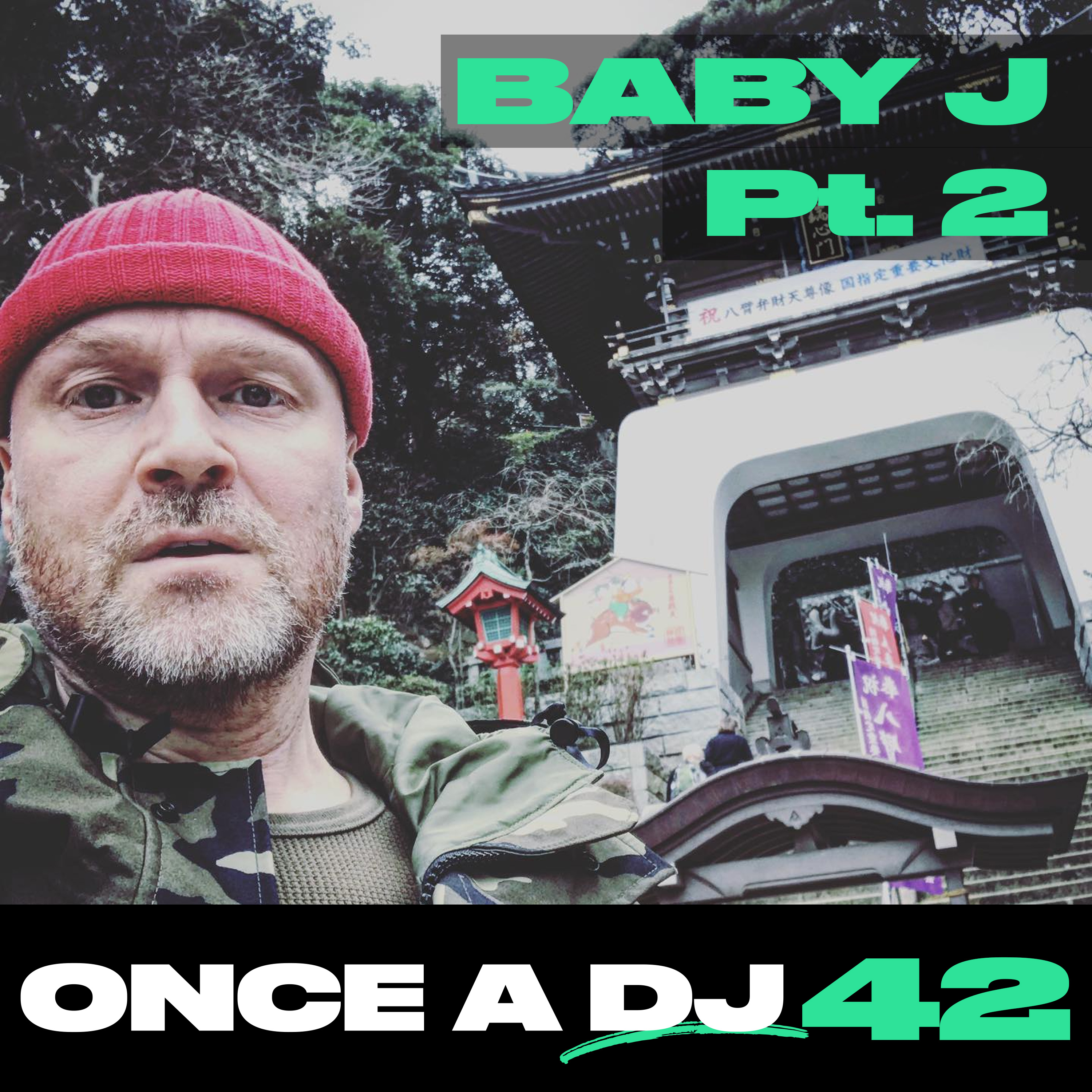
This week we bring you the second instalment of Baby J’s story – this looks at the time post the Valerie remix, where hip hop started to be eclipsed by grime, sampling became harder to work with, and J realised the steadier possibilities outside music production.
He explains the route into Baby People, an organisation which has been helping disadvantaged kids to learn essential skills for surviving and thriving in society, and we get into the main challenges kids face these days.
Transcript
So something that you’ve just mentioned or something that you mentioned during this was about the promo company.
Speaker B:Yeah.
Speaker A:So how did that come about?
Speaker B:So basically, when I was back and forth to America, when I started doing the stuff with ALX and Bits, with Dead Prayers and Shabazz and whatever, and so basically you can join prs or whatever for your publishing. Right.
But because I was mainly in America and I was doing more work in America than I was in the uk, I joined ascap, which is the equivalent of the pos, but in America, bmi and there’s ascap.
And I joined ascap and there was a guy there because they essentially had an international department for people that were members of ASCAP that weren’t from the us. So I got quite a lot of attention.
As in, there was more support for me because I wasn’t, you know, the international department would have, you know, 300 writers or whatever, as opposed to 3, 300,000. So I met this guy called Gary Ford and he really liked my music and was trying to plug me in with things.
And he was like, you really should meet this lady called Iris Dillon who became my first manager. And she made her name really. She was the first one doing kind of radio promo in the way that radio promo is done now or then.
So is that kind of idea of, you’re gonna hit up all the college radio, you’re gonna hit up all the underground DJs. So it was done in, you know, in a very kind of grassroots build up the record way, which he kind of wasn’t before. And she kind of pioneered that.
So she managed me for a bit. And through her I met someone else that was working with this guy called Thad Baron, who was an A R emi. And Iris was great.
And I still get on with this really talented manager and nice lady, but I think she was kind of like, I can get you a placement with Usher doing this and I want to put you in these songwriters. And I was like, I just want to do stuff with the Sons of Man, you know, the underground Wu Tang artist.
You know, there’s no part of me that’s excited about getting a placement right in a pitching Torscher. Like, I just don’t care. Even though from a business point of view that makes perfect sense.
And the rappers I’m trying to make work with weren’t making any money, but that’s what I was interested in. So there was a bit of a mismatch there.
And then I was back and forth to the UK and I came back and I had a meeting with Thad and Thad just got it a bit more, I think. And me. And so me and Irish things had. She was a bit frustrated, I think that I wasn’t that interested in some of the opportunities that came my way.
I was a bit frustrated because I was like, I. I just got something with their pres. And she was like, who cares? You know, I was like, no, this, you know. So we just. And Thad got it a bit more. He was more of a hip hop head.
So we started working together and Thad came out of being an A and R, did some other freelance ar ing but started doing radio promo. And that was a real good. Another reason that Watson worked well with me, his management, because he was very well connected with DJs and radio.
So that help because, you know, like the key thing about for a producer is actually your relationship with radio. With an artist, with an MC or a singer, you’re a brand, right? So you need promoters, you need magazines, you need.
But on the whole as a producer, what you really want is your stuff played on radio because that’s a revenue stream for you as far as publishing money. And equally you can break your stuff at radio. You can get.
Nowadays it’s changed particularly there were very few people, producers that were a brand, right? So most of the brands were the rappers nowadays, you know, just Blaze Premier, these guys are bigger than the rappers.
But at the time that wasn’t the case. So having someone that was really well connected, Radio as a manager, because my gold dust was my relationships with radio.
I need to be able to get my track and if it’s get played on radio because then people want to work with you, right? So me and Thad started working together from a management point of view and then he wanted to take the radio promo more seriously.
And I was like, look, we could do this together. Because I was really connecting with radio. He was. We both had access to artists. I was getting approached by UK artists all the time.
So we set up this company called Big Promo, which was basically kind of his company, but we worked on it together. He was really good at sourcing the London acts. I was getting a lot of out of London work and then we’d promo it together to things.
So essentially we take something, there’d be a fee and we, you know, press up CDs and take them out to the DJs and whatever. But around that time, what I also. The other thing that’s relevant is the.
What I learned is, or started to learn is if I Just said, I just want to sell beats. Actually, it’s quite difficult to generate revenue just doing the one thing you want in a niche scene, which what UK was at the time.
And so what I started to realize is you have to diversify what you’re doing, so you’ve got to sell beats. And that’s what I wanted to do, be a producer for artists. But you. You also need to have all the revenue streams. So, you know, live.
Live sets, DJing was a bit of a revenue stream.
But also we set up the radio promo company because lots of people at that point, lots of UK artists wanted to work with me, but I didn’t necessarily want to work with them either creatively or strategically. So it was kind of like, well, I’ve got access to all these people that want to be in my world and what’s the opportunity with that?
So we set up a couple of things. One was big promo, which was basically kind of going, yeah, at this point, it’s not right for me to work with you, but we can promo your record.
And then the other one was Baby Knotted Films, because I met James Knott, local Derby legend. He was straight out of uni and I’d done a couple of videos and they just cost a fortune at that point.
And similarly with radio promo, I paid radio promo companies and it was thousands of pounds. It’s more money I didn’t have. So it was a bit like, how do we. It was that DIY thing with everything of, how do we do this ourselves?
So I met James, Jimmy Knott, and he did an Alax video for me. He was fresh out of uni, so I. We kind of worked on it together.
I had the kind of the concept and found some of the footage and then he pulled it all together and that worked well. So we did a couple of other things. Then I was like, look, why don’t we look at doing this together?
Because I’ve got access to all the artists I’ve got.
I’m probably a little bit more experienced in managing some of those artists on a shoot because they’re characters and they’re from a certain social environment or whatever, and they’re going to deal with me a certain way because I was Baby J and they wanted to, you know, have a relationship with me because I might be a bit further on in the game than them. But then Jimmy had the skills. He had the eye, you know, he had the equipment. He had the time to actually pull it together.
So it was a good partnership.
Speaker A:Did you find that Jimmy would Like to have a moan or is that just since he’s got older?
Speaker B:I think that’s more since he’s got older. I think what was funny is at the time, I think it was just like a.
A cultural shock for him because we, you know, this is UK hip hop in the late 90s, early 90s.
Speaker A:Yeah.
Speaker B:So there’s no money in it. And it’s like a lot of the people are doing this are from the hood. And quite often you’re getting people that have got a bit of street money.
So they’re from that world and they want to do something in music and that’s how they got the money to do a video. So you’ve got some kind of raw characters there. And Jimmy isn’t necessarily from that world. I’m not from that world, but I’ve been around it enough.
But Jimmy’s not from that world. So we just been on these shoots in the middle of wherever, Birmingham, with, you know, you know, there was never an issue, but it was just, you know.
Yeah, he was in a very different social world to where they come from. And like, I always remember once he was like, he was laughing because he was like, oh, we had this.
I was with my friends the other day and they were like, oh, baby J. Like, you know, do you think he’s killed someone? And I’m just like, I’m a hip hop producer. Like what?
You know, but like, it was just two different worlds, but it was cool, you know. And there were stories about people getting robbed on shoots and cameras getting stolen. Oh, God. But.
But, you know, we never really had any massive issues. And I think a lot of the into the company was they knew me and they weren’t about to upset me.
Not cause I’m scary or dangerous, just because I’m a bit of a gateway into the next stage of their career. So, yeah, the point is that we set up big promo, we had Baby Knotted. Not long after that was Baby People.
And it was just that understanding of actually, I might have to have five things going on here. So different stages. We’ve done artist management. I looked at setting up a publishing company. Baby People.
When it first really was a recording studio, it was that more than it was education. So there was kind of the recording studio side of it, there was Baby People, which is the education stuff with managed artists as well.
So just kind of actually let’s have different things going on and they’re all making a little bit. Because when you develop a brand, you know, and it’s like Stormzy Right now can make money selling music, Right.
And he can make money from Spotify and he can make money from selling vinyl and he can make money from shows, but he can also make money from Adidas wearing their clothes, and he can make money doing a perfume campaign and he can make money from lots of different things. His brand is. Has a worth, you know, And I think artists are very savvy with that, that nowadays.
But when you’re a producer, so you’re often not the brand. Yogi was the brand, Skinny Mum was the brand, Morris Delt was the brand. You’ve got to be very savvy about how do I generate an income.
Because even now with the stuff I’m doing, my little independent label, like, you know, I can work with an artist and yeah, we can get in Spotify and it could do. Well, that’s not gonna make any money. And the artists, as soon as we get a little bit of traction, they can go and do shows.
a show,:Yeah, but as the art, as the producer wears the revenue stream, which is why you’ve got our physical products and you’ve got to develop a brand that can sell merch and all those kind of things.
Speaker A:So this brings us, kind of wraps us around a little bit to. To where we left off because. Did you set up Baby People before the kind of blowing up with Valerie and all that sort of thing?
Speaker B:ah, so Baby people started in:Speaker A:Okay. And I think that this is a really key part of your story, isn’t it? Because it’s. It’s your kind of main thing now, right?
Speaker B:%. So. And Valerie happened:States for a year and around:You know, we was around those times. So I’d kind of. I’d. You could do three months on a Visa, right? A visitor to Visa.
So I’d go out there, I’d do maybe six weeks, maybe two months, whatever, and then I’d come back and I’d be here for A bit, and then I’d go back out. And I did that constantly for those years. Sometimes I was here more, sometimes I was there more.
And, you know, I had a young son, so I had family commitments here, but then I was trying to build my career there and being over there helped my career here as well. So I was doing that and then I kind of got to the stage where I was like, if I’m going to do this, I need to do it properly.
I need to be in the States, like, if I want to be a hip hop producer. The. The scene in the UK isn’t really there yet. There’s a proper business in the us. I need to go out there and give it a real shot.
And things had changed with my son’s situation, so he was more with his mother. So I was kind of like, I could do this and do the three months, come back for, you know, a few weeks, then go out for three, you know.
But so basically I sold everything. I was here. You came around and bought all my records off me for a bargain price. Well, you were many. Well, I got.
Speaker A:I got some before they were super reduced. Steve Crowe came around to our house and brought the kind of like dog ends, as it were.
But the stuff that was in there probably now is worth a bit, you know.
Speaker B:Yeah, yeah, Well, I had, I had. There was.
Literally, I was saying this earlier, but I had probably two boxes of 12 of music I kept that I just couldn’t let go for sentimental, emotional, whatever, I just couldn’t let them go.
But I had a room full of vinyl because I used to buy as a dj, so twelves that are stuff to play, then I’d buy for enjoyment and then I’d buy to sample. So the bulk of it was DJ stuff and sample stuff. But yeah, there was so much vinyl on that all. And basically I sold everything I saw.
My washing machine, my car, my clothes, and I literally ended with a couple of bags full of possessions.
Speaker A:Did that feel good?
Speaker B:Felt terrible. It felt terrifying, heartbreaking. Now it would probably feel good because we buy too much, right?
Speaker A:Yeah.
Speaker B:But then I was broke, so what I had was the stuff I’d accumulated and I had to get rid of it all to raise the money to go and live in America. So I remember there was like two boxes of vinyls, there was some video cassettes and there was some books and that’s all that.
Went to my mum’s house to store everything else I got rid of, moved out to the States for the year, did a bit of work. But essentially ran out of money at the end of the year and came back.
And when I came back, I went to see Rookers and I’m like, I’m broke, I need to make some money. And Rooks is like, well, I know this guy that works in a pru, which is a pupil for a unit for kids that kicked out of school.
And he’s like, we might be able to get some work through him. So me and him sat down and we wrote a 12 week course. I had a laptop and I had stuff that you could. Everyone’s got a laptop now, but it wasn’t you.
To have a music production laptop back then wasn’t common.
Speaker A:Yeah, there wasn’t. There’s not the barriers to entry now that there was then, isn’t there?
In terms of either buying software or accessing shifty software, you know, it’s a lot easier.
Speaker B:roduction setup I had back in:But the thing is, because I was constantly traveling backwards, forwards to the States, I had a mobile setup. So I had a sampler and a little original MacBook laptop that was just a sequencer with Cubase on and a couple of other little bits.
And that’s enough to be able to produce. So rather than having an mpc, that was my setup and I could travel between countries with that. So literally I used to fly with these things.
That was my luggage. And when I landed, I had to go and buy T shirts and briefs because I couldn’t travel with clothes or toiletries. I literally had to land.
Speaker A:Yeah.
Speaker B:Go and buy something. And then it got thrown away at the end of the trip or given someone. Right. Not my briefs. So. But anyway, I had this mobile setup.
So I was like, I can do the production time, you can do the lyric writing. We wrote this 12 week course. We got these kids that no one could work with. Right. Our first ever group.
And they were like, no one can work with these kids. It was a group of three girls. Yeah. And they walked in the room and they went, you’re Baby J and Ruckus.
Because at the time I was a music producer that was trying my hand at education. So we had stuff on mtv, we had stuff on Radio one one extra kids choice. We was, you know, we was in Derby, it’s a small city, so we was a big deal.
So they knew who we were. So they were as good as gold for us. And the school Was really pleased.
So after a few weeks, they’re like, these girls are turning up every week, they’re doing stuff. This is great. We’ve got these other three kids for you and. And they gave us more and more and more and it just grew organically from there.
And what we started doing is we. So this was alongside. My main thing was still I want to be a music producer.
So I’m in the studio all the time, releasing stuff, working as a producer back and forth to London. And then this is just another thing, working with kids a few times a week.
And then as it started to grow and they gave us more and more stuff, we started bringing on our friends, Alex, Blood, Angelo, Mr. Toe, you know, all the guys that was around us that were hip hop guys going, you know, Mr. Crow, yeah, do you want to come and do a bit of work? Either graffiti, dj, music production, whatever.
And we were bringing these guys in and we were booking the work, taking a small commission and paying these guys the rest of the money. And we dealt with the clients and the invoicing and blah, blah, blah.
Speaker A:Well, that’s something I remember about it is. I remember I was living with a couple of them at the time and I was like, you’re earning what?
Yeah, you know, you weren’t, you know, you were looking after these guys that were doing the work, you know.
Speaker B:So we did this thing where I think the very first bits we brought in, we just gave the money away. Like, you know, I think Alex, when he first. I think Alex was the first one. It might have been Angelo, but one of those guys.
And literally what they were paying us, 20, 30 pound an hour, whatever it was, and we just gave the money for them. And then after a while we were like, well, we’ve got to manage the thing and booked the sessions.
And it wasn’t a lot, but it was like, why am I doing this for someone else, you know, for free? Like, this is extra work. So I was like, okay, we’ll do it. Either you take it over, we’ll do it all for you. But we’re going to take a percentage.
So I think we agreed on 20%. It might have been less initially. I think it might be 15 initially. And essentially we took 15% to do all the invoice.
Because the other thing is they tend to pay us right at the end, so you have to kind of. Anyway, so we took a percentage, booked those guys in. And the other thing about education, as I found out, is that we, you know, you did it.
And we didn’t know what we was doing. So when we first started doing it, we worked the whole term and in the back end going, can we get paid? They’d be like, you need an invoice.
We’re like, what’s an invoice? You know, so we were from music, so we didn’t understand any of this. Right.
So we’re having to learn how to conduct yourself properly in business accidentally. And then we started going, actually, can I invoice you monthly and give you 30 days terms? Cause I’ve heard that’s the thing.
They were like, yeah, cool. So we started doing this and managing it and paying the staff and blah, blah, blah. And so we. It kind of became. It was an accidental company.
So originally it was just where I can get paid as Baby J to do some work with these kids. Then it was kind of like, I’ve got other people going in and I can make a bit off them going in and doing stuff and I can teach doing the kids.
And it just grew organically from there. The other thing about education is in the music industry, the way it works, someone’s gonna have a meeting with you.
They’re gonna say, we’ve got this artist. They’re going to be huge. It’s going to be really big. Da, da da da. Come and do a load of work.
And if you kind of know the business a bit, you’re going to go, I want some upfront money. Do you know what I mean? But. And actually, the next level of business doesn’t even work like that.
You’re going to go and spend two weeks with an artist, write a load of songs with them with the hope that they go on the album. Do you know what I mean?
And for producers, it’s even worse because what happens nowadays is I’ll go in the studio, produce a load of songs, and then they’ll just get some kid in and they’ll go reproduce that. And Right. It’s the if. Especially if I haven’t written the melodies in the song. So if they’ve said, here’s a song, produce it and I produce it.
They just get a kid to reproduce it because cheaper. Unless I’m just Blaze and they need my name.
Speaker A:Right? Yeah.
Speaker B:So. But back in the days, there was a lot of stuff that you didn’t get paid for.
So you almost had to have six projects going because two of them are going to make you money. Now once you’ve got a bit of a brand, I could get to the state.
I got to the stage where I was Baby J And I could be like, I want this money up front to produce for you. But there was still a lot of things you were doing that you didn’t make money out of with education. You turned up, you did the hours.
However it went, at the end of the month, you invoiced them for those hours and they paid the invoice. And that was new to me. There was no threatening anyone. There was no, like, I need my money, bro, or I’m coming to see you. There was none of that.
Nothing shady in it at all. Yeah. Like, even to this day, when we don’t get paid in education, you don’t get paid because someone changed job and the invoice didn’t get passed.
Like, you get paid. And I was like, this is really nice.
And the other thing about the music industry, a bit like the fashion industry and some degrees from what I know about finance. Finance, it’s a horrible industry. People are really rude to other people. They’re really. It’s very much about who you are.
You know, people will blank you, ignore you, be cold, blah, blah, blah. That’s not the same in a lot. Most other industries. Most of the industries, yes. There’s things that go on. It’s workplace politics.
But on the whole, people are quite civil and nice, you know, and it was just a very nice thing to be around.
Coming from hip hop, where you might get in a fight or someone might try and stiff you for the money, or you might have to be a certain way with someone to get paid. A club promoter at the end of the night, and they don’t want to pay for the show, you know, like.
And you’ve got to find someone and you know, you know what it is. So. But education wasn’t like that. You sent the invoice and they got paid. And I was like, this is nice. This is a whole other world.
And I kind of started bringing on staff.
So Emily, who’s working for Amateur on the one and five lamps, she came and started doing some hours for me to help manage the education stuff and other stuff with my music business.
And then it just got to the stage where I remember one day just looking at it and going, I’ve actually made more at the education stuff than I have from being Baby J, the music producer, which was always my main thing. And I just kind of sat there and I was like, you know, I was making money from different.
There was a promo company, there was a video they were all doing. Okay. The main thing I wanted to do was Baby J, the producer, and you know, had a rep and there was big stuff happening, but he didn’t always pay.
So you can make 60 grand in a month, but then you might not make anything for 10 months.
Speaker A:Yeah.
Speaker B:Do you know what I mean? Whereas with education, it was. It was every month you were getting paid for the hours that were done.
And I was like, I really need to take this more seriously.
Because in my head it was just like, it’s another thing, like promo, like video, that I’m in a position to be able to do it, so I’m going to do it, but I don’t care about it. What I care about is my next album, you know, the albums I’m working on.
That’s just something I’m doing from a business point of view and it uses my brand.
Speaker A:Yeah.
Speaker B:And then at a certain point I was like, this is actually from a business point of view. I need to take this more seriously. And also there was a bit of a thing, you know, you felt you were giving back.
You know, there’s some of the kids we were helping and having that presence and a positive thing. So you. You kind of setting your stall out to kind of say, hey, kids, you know, you can do music.
And it’s a positive thing, which was some of the kids we were dealing with that were going to go into crime and whatever. I was like, this is. So there was that side of it as well. And I was just like, we need to take baby people more seriously.
And that was probably three or four years into it, you know, that wasn’t straight away.
Speaker A:Yeah.
Speaker B:But it got to that stage where I was like, this needs to be a thing. And that’s when we set up the first studio. So first we were just mobile. Then we’re like, let’s actually take on a studio.
Speaker A:This is probably around the time of just after the sort of Valerie then.
Speaker B:So we got the first studio, because I remember we recorded Valerie in Arthur street at the first studio.
Speaker A:Right.
Speaker B:e got the first studio, maybe:That was a recording studio because we had stuff that we needed to record, but also there was a business for that, so a lot of stuff. So Si Mizzle used to be over at Madeley Center. He was like the main place people went to record. And we settled that with him.
So he moved his business over to ours and we set up that studio and that ran in the evenings as a studio. And then because we had the building in the daytime. We put some of our educational stuff in there. So the daytime educational stuff was a sideline.
It was. When it was first set up it was called Baby Studios. The education stuff was called Baby T Workshops. That company still exists.
But the idea is we’re gonna run a studio. But some of the educational stuff can happen from there.
Speaker A:That’s quite. I don’t know what the word is.
I’m struggling with it, like forward looking because a lot of the time nowadays if someone wants to be in a space, it’s hard to do say particularly like in a town centre, it’s hard to do a space that’s a single purpose. So you were kind of on that early because you might get a coffee shop that becomes. Comes whatever else at night and you know what I mean?
Or it’s a hairdressers and a bookshop at the same time or you know, they just have to be sort of multiple use now.
Speaker B:And I have to give a bit of credit to Amit for that who had Five Lamps because Five Lamps was a pub. But essentially it was also. They also did live music and they also had events and they’re involved in off the hook.
And then he tried to do the education and there was so many other things going on.
So I think that influenced that a little bit where I was kind of like, actually if we’re going to take on a space, let’s see how that space can make money in different ways.
Speaker A:Yeah.
Speaker B:And be used in different ways as well. And that’s. That’s still the same today with Baby people.
Like the amount of things that happen in that building, half them I’m half aware of and nothing to do with and. But like if someone comes and says Jay, can I use the building for doing it? Unless there’s this reason, say no. The answer is yes.
So there’s so many people using our spaces for so many different things and I just think it helps the whole ecology of the scene, which helps us. So we’ve always, we’ve always, you know, and remembering us being young and not having anywhere to go.
Speaker A:So just going back to the producer side of things then. Where did you go after Valerie? Like what. What was the next sort of move? Were you able to leverage it?
Speaker B:Yeah, definitely.
So Valerie brought in a lot of work and even though when we talked about it earlier and I was kind of saying, you know, we probably spent more than we got paid, the amount of remix work and production work that came off the back of that in the next year, year and a half. And my. My album Baby Food came not long after that, which I got a decent check for the record and decent check for the publishing.
I wouldn’t have got that without Valerie. So there’s a lot that it really pushed the profile.
And this is just, you know, Valerie was just off the back of Skinny doing so well at Radio 1 and Roots maneuver doing really well, and artists really kind of getting that kind of daytime push. So it was a really good time.
However, around that time, grime went from something that was just happening in Hackney to bigger and where you us hip hop had gone from underground to Puffy and Jay Z and mainstream. And all of a sudden an Eminem and Andre and mainstream white America was buying it. And it wasn’t about what was hot in Brooklyn anymore.
In the uk, there wasn’t that confidence in hip hop being a thing. So what they did is they championed.
They saw black music was big, getting really big globally, but they championed grime and, you know, that sound and garage. So really that was the direction that the labels went. And I think that’s really because it was big in the clubs in London.
So your A and R’s and the people that were in a position to put money into black music, they didn’t really get hip hop or they just saw it as an American thing. Whereas actually up and down the country, hip hop was probably bigger than. No, not hip hop was bigger and UK hip hop was bigger than grime was.
But if you went to the clubs in London, you get in UK garage and grime. So the A&Rs and the people in the industry was like, this is the hot sound. So that’s why you got Dizzy and Kano and Lethal B and all that stuff.
The money got pumped into that because that’s what they were seeing in clubs in London. And you work outside of Kung Fu and a couple of nights, there wasn’t really that thing going on with hip hop.
So no one was throwing money into UK hip hop. They were just like, yeah, it’s a copy of what’s happening in America. It’s not going anywhere. Actually.
You go360 now and a lot of the music that these pop, rap, hip hop artists is more hip hop than it is grime. Do you know what I mean? Yes, there are some people that are very grime or very drill, which is, you know, derivative of grime.
But essentially, I would say hip hop, the music that’s out there now has got. Probably got more to do with Kleshnikov and Skinny man. And Rodney P than it has dblee and Jammer and you know, those guys, you know.
So I think obviously it’s a merge, but I think we’ll go. We’re heading more in the direction of hip hop. But I think at that junction in time for me, what happened was grime came out.
So, you know, I knew Wretch 32 and Kano and Bruiser and Lethal being these guys, but. And they knew me and there was a mutual respect and I probably could have said, let me give you some beats and that would have been warmly received.
But the reality is they would have wanted me to produce something different for them. It was fitting where the direction they were going and from a business point of view that would have been the smart money.
But I didn’t want to do that. I was still really interested in hip hop. So my hip hop, if anything, was going slightly left.
It wasn’t going towards the kind of drill and grime sound. So whilst I had access to get some REC32 in these guys, I wasn’t really sending them beats. Yeah.
And whilst those guys knew me and I’m sure would have and respected me and I’m sure would have listened to anything I’d sent, I knew there was no point because what I was going to send them wasn’t really right, do you know what I mean? So it just felt like it was. The doors were closing on the sort of music I was doing. So it was kind of like.
And even in America the sound had become much more polished. You know, I was into the underground stuff.
So just I kind of had this thing where one of the businesses I’d settle was starting to do really well, the education business. And at the same time, my brand had never been bigger, but. And the checks that I was getting paid for music had never been bigger.
But in the same breath I could see the end coming because it just wasn’t really in fashion anymore. Like at the end of Baby Food was tied in with the kind of. The second Ronson tour we did and with Jay Z and everything.
We were doing really big stuff, stuff. And I get meetings in labels and all the rest of it, but I knew the stuff I was doing just wasn’t fashionable, do you know what I mean?
Speaker A:So, yeah, you were going away from sampling as well, weren’t you, at that point?
Speaker B:So Baby Food, that was the first album I did where I sort of stopped sampling. And again, I was trying to do a bit more of a. I think, you know, being around some of the stuff I was doing. With the remixes.
So I was getting sent bands. Like there was the Valerie thing, but there was also. Then I did the whole.
I remixed the whole album version album for Mark Ronson, which I kind of broke up doing with him.
And then I got like King Blues and I did this India thing and there was lots of remixes coming in that I was getting paid to do and most of it was live music. So I was kind of like, actually I can do this. I can work with, you know, stems of instruments and session musicians and that because it was.
There was already a musical thing that I was having to bring in session musicians to play bits and you know, replaced stuff and da da da. And I was getting better at doing that on keys and stuff. So I was kind of like, let me explore this as a sound.
And you know, and I’ve always listened as we do as DJs like to a very varied array of music. So it wasn’t like I would. I just listen to hip hop because to sample you got to listen to everything.
So I’m like, you know, there’s a lot of music that I really love and a lot of music that was coming out that I loved at the time like MGMT and Empire, the sun and what’s the French guys called justice that I was listening to.
And I’m kind of like, so I’m gonna do my hip hop thing but maybe I’m gonna experiment in this direction a little bit still with rappers but this type of stuff. So I was. Where I was going creatively was not where music was going.
The music was going harder, simpler, more electronic, you know, more towards dance music. And I wasn’t interested in that, you know. So yeah, it just, it felt like the.
The clock was ticking on the sort of music I wanted to make and the me and the music had come from.
If you were making mop sounding DJ premiere gangster sounding beats and like people were looking at you like either you were really old and out of fashion or you just got out of prison and you hadn’t realized that things have moved like you were, you know. Because you gotta remember around that time the two big things that came out of New York was. Was kind of dipset.
Yeah and Swiss beats and the whole DMX thing.
So there was this moment and I remember, I remember giving M1 from dead prez this mixtape I’d done and it was like my production different acapellas and some of the guys rappers that I was working with. So some original stuff and then some remixes and I gave it him and he had it for a couple of weeks. I was like, what do you think?
And he’s like, I love it. I think this is dope. This dope. Da da da. But he goes, I just think those guys, this is a New York thing.
But those guys in their Jeeps, you know, like in la, you have the low riders within. What’s it. You’d have like the Cherokee Jeep. We’d have a really big bass sound system in there, right?
He’s like, those guys, I just don’t know if the quality is there for them.
And it was like there was this moment where it was all about Swiss beats, Rough Riders, you know, that big boom and stuff that worked in the clubs, that protect your neck sound was done. Do you know what I mean? So you’ve kind of got. Who are the guys that did all the dipset stuff? I forgot what they call the production duo.
He Heat Makers, was it. I don’t know those guys. Anyway. And you had like the Swiss beat sound and that was the stuff in the clubs. And I’m still making Lo fi boom bap cool.
Now in:And at the same time, I’ve got this thing, this business is doing really well and that my brand that I’ve built, the Baby J brand, is allowing us to have a video company and a.
Which is doing well and radio promo and this education thing, which, you know, the reality is that Baby people probably wouldn’t have got off the ground without the brand of Baby J and Ruckus, you know, so. And. And then around the same time, I got married. And then there was kind of like, why are you doing this music thing, you know?
You know, as we do, you know, so it’s kind of. That’s not fair, but a little bit of kind of. I see you’ve got this business over here that makes money.
What’s the reason you do you spending time doing this other business? You know, it wasn’t like you can’t do it. But there was a. There was a domestic pressure around that as well.
Speaker A:Yeah.
Speaker B:So it was just kind of like I spent less and less time satin down in front of the boards making music, you know, and the only kind of real exception to that was when I was doing little projects, but kind of slowly and I was managing a couple of artists.
So I had this girl, Sweet Pea, Chloe Leone, and then she was A singer I had Jamie Joseph, and then I started working with Electric from Burn Birmingham. Then Jamie got a broke. He got. He got a break.
He got a deal through Sony, rca, through this company called Unstoppable Entertainment, which was Noel Clark, who did the Brotherhood films, and this other guy. And they brought us in, they contacted and said, we’ve heard Jamie’s stuff. We really like it, want to have some meetings. And we got the deal at rca.
So then I was kind of back doing it. But again, this was all live music stuff, so it was working.
You know, Jamie had songs that he’d done with guitarists, so it was taking those, producing them, me producing new stuff, but really no samples. Everything’s playing. And my whole thing was I want to play stuff that sounds like the breaks I would sample. Do you know what I mean?
Which had come from my. The lineage of how I’d learned to produce. Because, like I said before, I used to listen to DJ Premiere and Riz and Go.
They sampled a bass sound and a piano sound and played it, you know, programmed it in. They used chops or played stuff where they hadn’t. They had loops, but I just didn’t know the loops because I didn’t have access to the music.
So I presumed that all this stuff was programmed. So that’s how I’d learned to produce.
So actually going from that to I’ll just play a chord on a piano and I’ll, you know, or get a piano individual note from a record and then play a chord using that, because then I’ve got that texture of the sound. Then I’ll mess it up and it up to make it sound dirty and old and learn that art. And then I can make it sound like an old break.
So I spent a lot of time finding the right sounds, sampling musicians and then up those sounds to make them sound like they’re off a record. So the bit of distortion, putting crackle behind it, bit of hiss, you know, a little slow bit of warp at 33 bpm.
Like you’re gonna get off the vinyl, all that stuff to get that bend and that nuance of the sound. And that was Jamie stuff. So Jamie’s stuff was like, let’s make it sound wrong.
You sing over it and it sounds like an old soul record, but it sounds like you singing over a sample break. So that was the. The thing with him. So we did a lot of stuff with Jamie’s stuff of. Not.
Like, normally, when you get, okay, we’re gonna go with an old soul thing. So the band’s gonna change. Like what they’re playing throughout the song. Song, the tempo might change, you know, you might play.
But I was like, no, I don’t want that. I want to get a loop. Maybe it’s four ball mates eight ball, but it’s going to stay the same the whole thing.
And with the musicians in Jamie’s band, we used to have a lot of conflict because they were like, we can do this, we can change it. And I was like, nah, you got to play it as a loop.
That’s the sound we’re going for, you know, which sometimes I was wrong, but it was kind of what gave that that, you know, that’s really interesting though.
Speaker A:Because like, did you hear that,.
Speaker B:That.
Speaker A:BBL AI tune recently? It was part of that whole Drake Kendrick thing. And so someone did this like AI soul tune that was like all about Drake having a bbl.
And so I think Metro Boomin got it, got the song and did a beat with it. But he just literally put a drumbeat over the whole song. And I was listening to that. I’m like, where’s the repetition?
Like the repetition kind of makes things great in a way. You know, it just does something in your brain. It’s like patterns and stuff, isn’t it? I mean, music is just patterns. But.
Speaker B:Well, now we’ve got this really interesting thing where, because I follow a lot of these new guys.
Alchemist obviously isn’t new, but you know, your Alchemist, Derringer, Conductor Williams, Beat Butcher, who’s from the uk, These guys that are doing that old sound with a slightly different spin. And what I’ve seen with some of these guys is what they’re doing is.
So there’s them guys where they’re producing these tracks for your west side Guns and rock, Marcy and blah blah, blah. But then there’s another tier of people underneath them that are musicians that are producing stuff and selling it to these guys for them to sample.
So obviously you’ve got. What’s the bit? Splice and all these things now where you can just go and get a loop. But there’s.
It’s kind of a world outside of splice where there’s people that’s getting their reputation for the people that are creating the stuff for them to sample and chop and to store and mess up.
So you’ve almost got this two tier thing where you’ve got people that are making the samples, you’ve got people sampling these guys that made the samples, which is what everyone’s doing on Splice. But.
And then the Whole agenda is how do we make it sound like what Premiere was doing or rizzo was doing 15 years ago, but with a bit of a, you know, and you might not have drums or, or, you know, a bit more distortion on the samples. And because there’s this thing we’re running out of samples. Right. So we’re just going to use the same thing Tribe used five years ago.
This whole splitting of stems that’s just happened is really interesting because I think that will revolutionize like these guys that are making the samples. Have I got a use for you anymore?
And actually the way I’m going to produce is going to change because I don’t, you know, I can now take the vocal out the. Just use the piano, the bass. Like everything’s just got thrown on its head again. So.
Speaker A:Yeah, we did a round table with Esther and size specs.
Speaker B:Yeah.
Speaker A:The other week about all this stuff and it is mad what can be done.
Speaker B:Yeah.
Speaker A:I mean, when. If Slash. When that separation gets to studio quality, that’s when it’s proper game changer.
Speaker B:But even now, the stuff I’ve heard, I haven’t even delved into it yet because I don’t use samples anymore.
Speaker A:So it’s the same as if you look at an AI image. You look at it closely enough. There’s seven fingers.
Speaker B:Yeah.
Speaker A:Or whatever. Or there’s, you know, an elbow sticking out of a rib or that sort of thing. And there is the audio equivalent. If you’re listening to it.
There’s things missing and things that aren’t quite right.
Speaker B:Okay.
Speaker A:But it is scary how good it is. Yeah. But yeah, like I saw recently about like some people selling some really nice sort of like tape saturated drum loops and things like that.
Because I remember, I wouldn’t say it’s haunted me, but I remember when I sent you some of my beats, they haunted me, say 19 years ago. Yeah.
And I just remember you saying like, I needed better drums on him and I’ve still never been able to do better drums, I think because the drums are so wet. Like, I know I try and make drums hard and it’s like just gone the other way and they’re just not very good still.
So one day, hopefully I’m going to make you happy.
Speaker B:Thank you. I mean, that’s what all I’m here for.
Speaker A:Yeah. Well, this is it. This is it. You’re going to be a changed man when I get my drums right, I think. So just mindfully our time then, mate.
What’s coming up in the future for you?
Speaker B:So the big thing really for me is that I have. I set up a label. So basically Ness, who’s a rapper that was part of Alites, the whole People Army Dead Press thing, who I met way back 95, 96.
Whenever we. We’ve always stayed in touch. We’ve always been friends in and out of music and for years around the whole thing.
At the time I did Jamie Joseph and he comes off doing this kind of electronic hip hop thing that he had a bit of success with called Weekend Money. But we stayed in touch. We kept on saying, at some point we need to do a proper boom bap dirty hip hop album. Never happened.
Every time we’d touch base, every few months, get on the phone and say, yo, dude, we need to do yeah, yeah, yeah. Never happened, right? Life, everyone’s too busy. And who wants to hear that at the time, right? Well, me and him, so.
And then Covid happened and the first lockdown happened and I rang him because, you know, a lot of time when things happen globally, you touch pace with people if you’ve got some other countries. So I said, what’s going on out there? So I took base and I was like, you know, we really need to do this thing. And we did the same thing we always do.
Like, yo, man, we could do it and I could do this and be great if it sounded like this and blah, blah, blah. And. And I just said to him, I said, listen, we kind of agreed to do it, which we’ve done many times. It’s never happened.
I was like, if we don’t do it this time, let’s never have this conversation again. And that night I got my music equipment set up because it wasn’t even set up, put it in the bedroom.
My missus was staying with me, so we were kind of all together as a little family unit. And I said, I’m going to set this up in the bedroom. And I made my first beat that night, that proper hip hop beat that I’d made in years.
Do you know what I mean? And I was like, that was really good. I really enjoyed making this.
Like there was something, you know, because I’ve been, you know, I’d had had a marriage and hadn’t really produced outside of Jamie stuff the whole time and came out of that and kind of felt like I needed to be Baby J again and hadn’t really made music during that time. So I think, not blaming anyone else, it’s me, but, you know, something got lost in that period. So I was in this new relationship lockdown.
Happened pretty much straight away. We were living in this and I was like, I’m going to start making music again. Because I’ve done that my whole life.
Like, what stopped from 16, you know, like somewhere along the line. So I’m just doing it for me. So I’m.
I produced this album and he started writing lyrics because we had this time we’re locked in the house and we made an album and we put it out. It did terribly. It was the worst performing album that I’ve ever done in my whole career, which I took really personally.
And like, was like, oh my God, how deflating. But then I kind of realized the whole industry has changed and it doesn’t work like that anymore.
Like, even if I can get my stuff on radio and what I’m making is not fashionable, you know, that doesn’t mean anyone’s gonna hear it because no one listens to the radio anymore. So this is a whole world of social. It’s massively saturated. I don’t know how to navigate it. So we’re kind of like, wow, this is. Is not.
Like, back in the days, it’s significantly harder to get heard, especially when you got an unpopular. So anyway, we set up this label. The label is called the System Don’t Work.
It’s very much us making the type of music we want to make and us and him writing the lyrics he wants to write. It’s not for anyone else, and if other people like it, cool. So it’s very political, it’s very dirty lo fi, and we’re just doing it for us.
And then we’re pressing up vinyl because that’s the only way we can generate income because we love vinyl and we’re selling really small amounts of them. So we did the first album and then we’re like, we need to follow this up straight away. But Covid had finished and we were back out in the world.
And it didn’t happen for ages and ages. And then the last one came out a year ago. There is another project that’s kind of hot, pretty much finished. Then there’s another rapper called Life.
His project’s pretty much finished. And then there’s a couple of other projects started. So my plan is to just keep on releasing music. The second album did even worse than the first one.
Even lower sales, you know, so really bad.
But the plan is just to keep on releasing music to the stage where people kind of find us and there’s a bit of a critical mass and people kind of go, I like what these guys are about. I’ll support that thing. I’ll buy a vinyl. Buy a T shirt. Because we’re doing. There’s a merch side of it, which isn’t just like.
Or pressing up a T shirt with the logo on. Like, he’s recycling clothes. So he’s getting old Dickies Carhartt workwear and doing the logo and the stuff on him and. And that’s.
He sells those at the flea markets in Miami. That’s doing quite well. And the stuff’s nice, you know what I mean? So it’s all stuff we will wear.
So the idea is we do this thing where there’s product and then there’s vinyl and cassettes and yeah, it’s online, but there’s no money from that. So we’re trying to sell physical products. Another little kind of independent online store with it that gets the stage where it sells enough that is.
It’s already selling enough that it’s covering its costs, but it sells enough that it’s like, yeah, I can look at it as a little micro business. So that’s really what I’m trying to do, baby. People that’s still running.
That’s now a very successful thing that has a lot of social impact in the city. Does a really positive thing. Provides a lot of employment for a lot of artists.
It makes money for me and for partners, but also for a lot of creators in the city that might not be able to continue being a creative because they’ve had to do something else because I’ve had to get a job. So it’s a really beautiful thing. And it’s very established now and respected locally and regionally.
So, you know, very much supporting that, keeping the eyes on that. That’s much bigger than me. But, yeah, from a music point of view, the label, we’re trying to get that going as well.
Speaker A:Yeah. As well as running every day.
Speaker B:As well as running every day. I’ve got nine days to go, and then I’ve run every day for a year. Yeah. And there’s another three guys that I’m doing that with.
So we’ve all run every day for a year. We’re raising some money for indigenous kids in Canada so they can get snowboarding and skateboarding equipment. So if you hear this, go sponsor us.
But my plan is to carry on.
Speaker A:Send me the link for the sponsorship.
Speaker B:And I’ll put it in show notes. Okay. The. So those guys are stopping in nine days, but I’m going to carry on. So I’m just going to see how long I can do A run streak for amazing.
Speaker A:How do you find it on your hips and stuff? Is it like, are you good or.
Speaker B:Yeah. I mean, the thing is, where I’m of a certain age. I was going to say where. But you’re younger than me. But we’re getting there, right?
And things stop working the way they did when we were younger. You exercising every day is not going to make you, you know, less able, it’s going to make you more able. So I’m more.
My body feels way better now than it did before the year and I was running a bit before, but now running every day, like, I feel great. I feel probably as healthy as ever that I’ve done in my life.
Speaker A:So one last thing then, before we end, because I appreciate you got places to be. You’re a busy man.
Speaker B:Busy man.
Speaker A:King of the voice notes. Given that it’s kind of election time and stuff, literally election today as we’re recording, could you just kind of give us a few.
I don’t want to get into that.
Speaker B:I didn’t vote.
Speaker A:Did you not?
Speaker B:I didn’t vote, no. I don’t believe in electoral politics. I think Labour’s better than the Tories.
Speaker A:Yeah.
Speaker B:At the moment the Greens are probably more left wing than them, but the reality is, whether it’s one day, six, six months, two years afterwards, there’s still going to be poor people on the streets in Derby and there’s still going to be rich people in Darby. And that’s wrong. And you’re not. You’re not fixing that through using the existing system. You’ve got to have a revolution.
A revolution doesn’t mean you and me running through the streets with AK47 and bandanas on. It means a complete change of system. You can’t.
There’s no law that gets passed, no act that happens in this country without the House of Lords, who are unelected, signing it off. It’s not a democracy. We get one choice every four years. The people need to decide what needs to happen in the world. We need to decide as the people.
And what happens with our education, with our health services, with housing, with all these things, we need to decide. We don’t get those choices. We get a choice to vote for one party every four years.
In reality, you only get two choices between the two parties and their policies are largely the same. There’s a difference and the difference shouldn’t be sniffed at. But in reality, none of these parties are going to change anything.
We, the people have to change things. We have to take things into our own hands and see the change that we want to happen.
Speaker A:Amazing.
And just given you work so much with young people, because we’ve not had anyone on here, really, that has that thing particularly, like, in the way that you do. What are the biggest sort of challenges that you see for young people at the moment?
Speaker B:For the young people I work with, it’s nothing new. Or, you know, I could say, oh, it’s knife crime or social media or whatever, and all those things are a thing.
But it’s poverty, you know, like, most of the kids that we work with that are facing challenges are facing challenges because of poverty and all the things that. That brings so bad education, bad healthcare, bad food and nutrition, bad lack of opportunities, lack of employment, you know, substandard education.
You know, it’s like if you poor grow up in a poor household in a poor area, you know, your chances are just bleak from day one. So the kids that carry knives, so it’d be a popular answer would be to say something like knife crime, right? Or mental health.
But the kids that carry knives carry knives because they don’t care about what happens to them. And the reason they don’t care about what happens to them is they don’t see any prospects for themselves.
Themselves, because they grow up around them being poor, their family being poor, and people around them being poor. And they don’t see any success. So why are they gonna, like, really look after themselves and care about what happens?
Because all they can see around them is really bad options and, you know, like jobs or college courses or. Or unemployment or drugs or prison or crime. Everything is a option. So they don’t care. So they don’t care.
If they carry a knife and they go to prison, then that isn’t a deterrent to them because the other option is also shit. So that’s the same with mental health.
The mental health is there because, you know, oppression and, you know, oppressive living situations will cause you to get depressed or have anxiety or have mental health problems. Like, you know, we.
We talk about crime with young people or mental health or substance misuse and all these things, like, these things that have just crept up, like it’s to do with Instagram or Snapchat. And I’m not saying those things are healthy and good things because there’s lots of bad things about them, right? But we skirt over the big issues.
And the big issues are that a lot of people have got really limited opportunities in life and are really poor. You know, it’s not rocket science. If you and me walk out here now, and walk into the streets, we’re going to see lots of poor people.
And you’re going to look at them and go, even if you had a job, we’re not going to be able to hold it down. Even if you had a house, if you’re homeless, you’re probably not going to turn up and live there. Like, you know, it’s just.
It’s entrenched generations of poverty for people. And the only way you fix that is you move where the money is. You take it off from people with money, more affluent people like myself.
You take my money and you give it en masse and you give it to poor people.
You improve their housing, you improve their job opportunities, you improve their education, their health care, their living surroundings, their opportunities, access to the arts and all these things that we know are good for people. You give them really good quality food.
You know, you give them all the support that they need in life, and then society will change and you won’t have this in a generation’s time. But right now, while people are poor and other people are rich, it’s not going to change. And that’s.
And our kids are the ones that are growing up in that. So we try and instill in them a sense of, well, look at this rapper that’s in the studio with you.
Look at this dj, this music producer, this graffiti artist. He’s similar to you.
Might have grown up in the same areas as you, but he’s done some positive with your life just to give them that glimmer of hope of, I don’t have to be a statistic in my neighborhood. Maybe the arts, maybe music, maybe hip hop can be a way out.
Maybe me being, you know, this sense of identity that school’s probably tried to drum out of me actually can be the thing that saves me, because I know I’m not going to end up being, you know, having a good job at Rolls Royce. That ain’t going to be me.
So maybe there’s something that can keep me from being poor, being on the streets, you know, involved in crime, drugs, whatever. And that’s what, baby, people’s pushing is pushing the opportunity.
Speaker A:Yeah.
Speaker B:And I guess you get.
Speaker A:You get with these things, you get some quite transferable skills that, you know, say you learn how to write a song. Writing’s an art form. You’re learning how to write. And there’s different ways to apply that across a breadth of skills.
Okay, maybe writing is about example, because being a writer is really tough at the moment because of all this AI stuff. But Say with production, you’re learning the ins and outs of using some technical software. There’s loads of sort of things where that’s.
Speaker B:People ask us all the time, they say, oh, have you had any success stories?
And what they mean is, have you had anyone in the studio that you’ve worked with that’s gone on into, you know, the music and we’ve had a couple, right? But that’s not how we view our success stories.
You know, most of the guys that we’re teaching hip hop to are not going to go on to be rappers or graffiti writers or music producers. Right? Couple might. Most of them won’t. Most of them won’t even go into work in the creative industries. But my success stories are.
I went to get my scratched alloys in my car redone a couple of years ago and I walked in and the guy goes, yes, Baby J, you don’t remember me, do you? I get this a lot. That’s a common thing for me to hear. I’m going, I recognize your face. And he’s like, it’s so and so.
I was in the class with blah, blah, blah and da da da. I was like, yeah, what’s going on? How are you? He’s like, yeah, I’m cool. He goes, so I’m like, I’ve just had a kid. Me and my missus live together.
I’m like deputy manager here and they’re on about open up a new one. And my boss says, I might be able to be manager. And the new one, I’m like, I’m so pleased for it.
When I met this kid when he was 14, 15, he was going to prison. There was no. This kid’s prolific offender. He was going to prison. Now is he a rapper? Is he. No, not at all.
But the point is, what happened is he met people that were like him in some way socially. And he had that moment where he was like, maybe I could be like you. Maybe my. Maybe there’s a place for me where I fit in society.
So the creative industries wasn’t where he ended up with a job, but the creative industries taught him being a creative and not wearing a suit and tie was a. Was a route for him to be himself and still have a place part to play. Now, maybe he would have done it anyway.
Maybe I can’t take credit for him, but there’s kids every year where I meet them and they’re just, you know, they’re on the way to a really bad place and it switches in. I could take you around the corner to Introduce you to three or four in the last two years have turned their lives around. And that’s through hip hop.
That’s through hip hop culture where they just go, right, okay then, so I can be me. And still, that’s still a positive thing, so I don’t have to assimilate into what school wanted me to be. And that’s all we’re selling.
We’re not selling. Learn how to be a rapper. That’s the vehicle we’re using to get you there. But what we’re actually selling is that identity that we all learn.
You know, as you know, we didn’t go and work in a bank, you know, we. You’ll wax on. Do you know what I mean? The legendary, the infinite, the one and only.
Speaker A:You’re saying that I did work in a bar. I worked at Egg on the Furlings, episode 50. We’ll get into all this, don’t worry.
Speaker B:But the point is that we, you know, you didn’t, you didn’t stay there, right, like you knew you had to.
Speaker A:Angelo was there as well.
Speaker B:And I remember Jello being there. It burnt you every day you was there.
Speaker A:I hated it.
Speaker B:Hated it. Right, and you hated it because you found hip hop.
You found something where you were like, actually, I know there’s somewhere else I fit more than this, so I need to find something that fits around that. That’s what we’re doing to baby people. We’re saying to him, there’s another way.
Speaker A:Amazing, right? Where can people find you online?
Speaker B:Baby J biz is me on Instagram, Twitter, Facebook, all that type of stuff. So Baby J Biz B I Z about baby people.
Speaker A:If people want to find out more.
Speaker B:People just Google it. Top of first page of Google. Pow, pow, pow. So no problem finding baby people and yeah, you know, local people.
If you, you listen to this, if there’s any way you can get involved with baby people support, you know, there’s a lot of kids out there that, that need support. It’d be great to, to get in touch and then system don’t work. There’s a website, Instagram, all the rest of it. So check that out as well.
Speaker A:Brilliant. Absolutely love this. 25 Years in the making. Yeah, right, mate. Thank you very much.